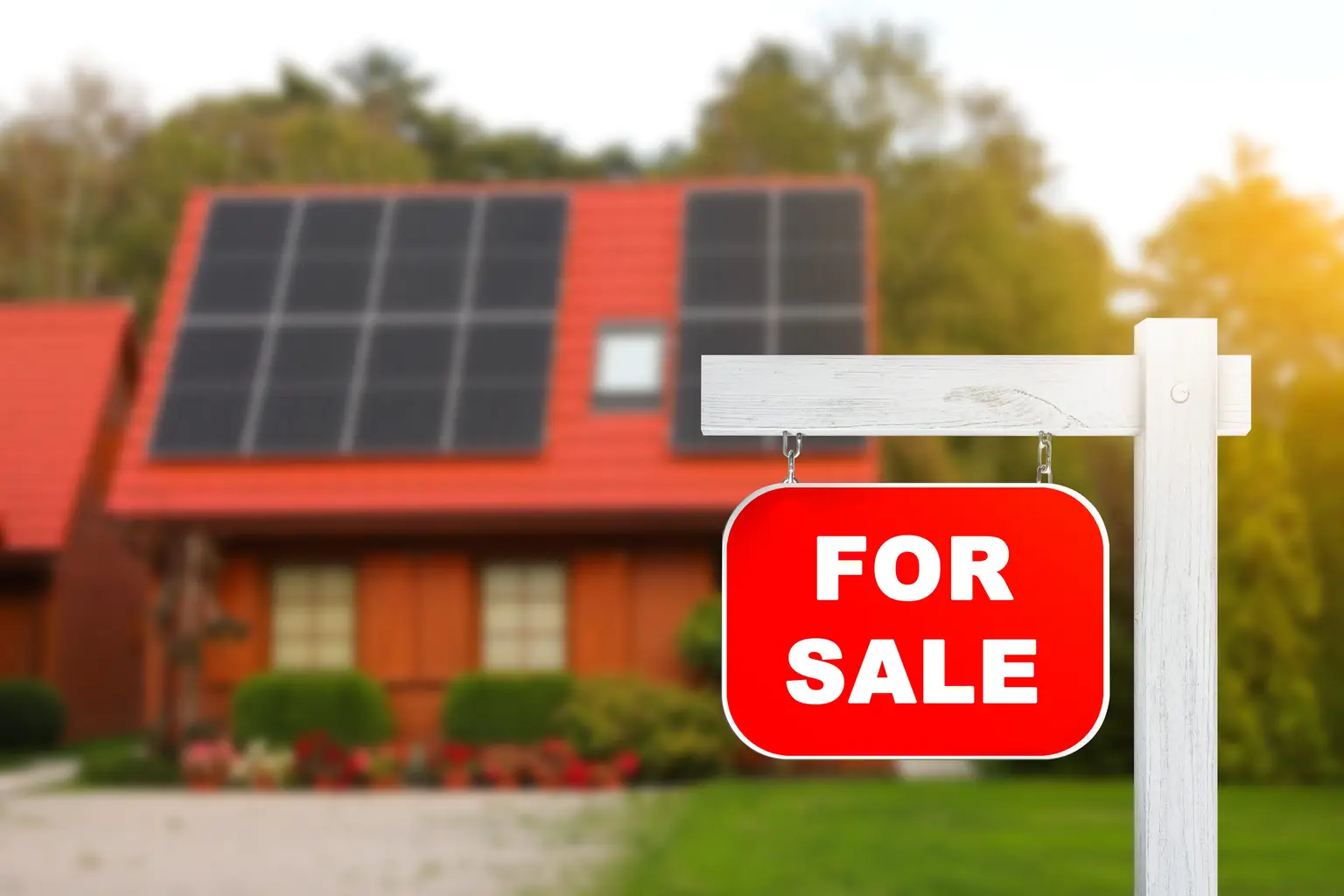
A buyer walks through a home, notices the solar panels, and asks one practical question: “What does the electric bill look like?” That moment gets to the heart of whether does solar raise home value has a yes-or-no answer. In many cases, it does. But the value comes from the system’s real-world financial benefit, ownership structure, condition, and fit for the home – not simply from having panels on the roof.
For California Central Coast homeowners facing high utility rates and changing rate structures, a well-designed solar system can make a property more appealing. It can offer lower operating costs, greater control over future energy expenses, and, when paired with battery storage, meaningful backup capability. Those are features buyers can understand without needing a degree in electrical engineering.
Does Solar Raise Home Value in California?
Generally, an owned solar energy system can raise a home’s market appeal and may contribute to a higher sale price. Studies of solar home sales have found that buyers often place a premium on homes with owned systems, particularly where electricity costs are high. California is certainly not short on high electricity bills.
Still, solar is not a magic price sticker. An appraiser and a buyer will look at the whole property: location, home condition, square footage, comparable sales, roof age, local utility costs, and the terms attached to the solar system. A beautiful system on a roof that needs replacement next year may create questions. A properly sized, documented system that is reducing a family’s utility costs is a much clearer asset.
The strongest case for added value is usually an owned system with a documented production history and little or no remaining loan balance. Buyers are not just buying equipment. They are buying the opportunity to spend less on electricity over time. Which translates into actual money saved over time.
What Makes Solar Valuable to a Buyer
Solar can improve value because it changes the ongoing cost of owning the home. A house with lower energy expenses may compare favorably with a similar house that requires a larger monthly utility payment. That matters even more when buyers are already weighing mortgage rates, insurance costs, and everyday household expenses.
In California, the economics also depend on when energy is produced, when it is used, and how the home is served by its utility. Solar panels generate the most power during daylight hours. Homes that use substantial daytime electricity – for air conditioning, pool equipment, electric vehicles, home offices, or appliances – can see especially direct benefits.
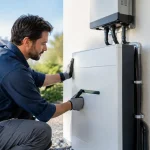
A battery can strengthen that value proposition. It stores some solar energy for use later, when utility rates may be higher or when the grid is unavailable. Backup power is not guaranteed by solar panels alone. A properly designed battery system, however, can keep selected loads running during an outage. For buyers who have experienced a Public Safety Power Shutoff, storm outage, or just one very inconvenient evening without refrigeration, that benefit can feel less theoretical.
Utility-Bill Savings Need to Be Credible
Buyers respond well to facts. Recent utility bills, monitoring reports, system specifications, and information about the home’s electric usage can help show what the system has been doing. A seller should avoid promising a particular future bill, since rates, weather, household habits, and utility programs can change.
Instead, present the evidence: how much energy the system has produced, how the household has used energy, whether a battery is included, and what equipment remains under warranty. Clear records make solar easier for a buyer, real estate agent, lender, and appraiser to evaluate.
System Size and Design Matter
Bigger is not automatically better. A system should be appropriate for the home’s energy use and the available roof space. Oversizing can be less valuable if the household cannot use or store much of the energy produced. Undersizing may leave a buyer wondering why the home still has substantial utility bills.
Quality design also matters. Panels should be positioned to avoid shading, electrical equipment should be professionally installed, and the roof should have enough useful life remaining. These details affect production, maintenance expectations, and buyer confidence.
Owned Solar, Loans, Leases, and PPAs Are Not the Same
The biggest value question often has nothing to do with panel efficiency. It is about ownership.
An owned system that is paid off is typically the simplest arrangement during a home sale. It transfers with the property as an improvement, much like a remodeled kitchen or upgraded HVAC system. The buyer can review the equipment, warranties, and historical performance without taking on a separate solar payment.
A financed system can also be attractive, but the loan needs to be addressed early in the sale process. Some sellers pay the balance at closing. In other cases, a buyer may agree to assume the financing if the terms allow it. Either way, surprises are not a selling strategy. Share the payoff amount and transfer requirements before the home is listed.
Leased systems and power purchase agreements, often called PPAs, require more explanation. The buyer may need to qualify to assume the agreement and accept its payment terms. These arrangements can still provide electricity savings, but they may not contribute to resale value in the same straightforward way as an owned system. They can also add time and paperwork to the transaction.
None of this means a lease or PPA makes a home unsellable. It simply means the solar agreement must be handled as a real part of the sale, not discovered halfway through escrow.
How Appraisers Evaluate Solar Homes
Appraisers generally rely on available market evidence. If nearby comparable homes with owned solar sold for more, that can support a solar-related adjustment. If there are few comparable sales, the appraiser may also consider the system’s cost, age, condition, and income-producing potential through energy savings.
This is why documentation is so useful. An appraiser cannot fairly value a system that is described only as “solar included.” Sellers should provide the installation contract, permit records, equipment list, ownership or financing information, warranty details, monitoring data, and recent utility bills when available.
Solar should also be accurately represented in the listing. If the system is owned, say so. If it includes battery storage, identify the battery and explain what it can support during an outage. If the system is leased, disclose that clearly. A clean file helps everyone make decisions based on the same information.
When Solar May Not Add as Much Value
There are situations where solar’s contribution to home value may be limited. An older system near the end of its expected service life may offer less of a premium than a newer system with strong production data. A roof that needs replacement can complicate the conversation because panels may need to be removed and reinstalled first.
Solar may also be less compelling when the system is poorly matched to the property, has unresolved maintenance issues, or comes with a contract that is difficult to transfer. Local market conditions matter, too. In a fast-moving market, buyers may pay more attention to location and bedroom count than energy features. In a competitive market with many similar homes, lower operating costs can be a real differentiator.
The honest answer is that solar does not create the same value for every home. But a properly designed, well-maintained, owned system in a high-cost electricity market has a strong practical case.
How Homeowners Can Protect Solar Resale Value
Treat the system like any other major home improvement. Keep the original project paperwork, permits, warranties, and service records. Monitor performance and address issues before listing the home. If a roof replacement is approaching, plan it thoughtfully rather than leaving a buyer to solve it.
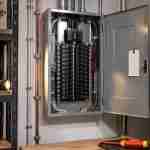
It also helps to understand the home’s complete energy picture. An electric vehicle charger, efficient heat pump, battery storage, and smart electrical upgrades can all reinforce the value of solar when they work together. For Central Coast homeowners, a local provider such as Solarponics can help evaluate system performance, service needs, and options for storage or upgrades before a sale becomes urgent.
A Better Question Than “What Are the Panels Worth?”
Rather than asking only what the equipment is worth, ask what the home can do for its next owner. Can it produce clean electricity during the day? Can it reduce exposure to utility-rate increases? Can it keep essential circuits powered when the grid goes down? Can the buyer see proof that the system has been maintained and is ready to perform?
When the answer is yes, solar becomes more than a feature on a listing sheet. It becomes a practical part of a home that costs less to operate and offers more independence – two qualities that rarely go out of style.