
Knowledge
Guides, explainers, comparisons and regulation briefs for product, design and engineering leads, written by the people who build and run these systems.
Popular: WCAG 2.2 · ISO 27001 · Zero trust · Lakehouse or warehouse
Browse by topic
31 articles
UX, Design & Accessibility
Research, prototyping, design systems and accessibility, from WCAG to testing.
All articles
Accessibility consultant: what they do and how to choose one
Accessibility work needs knowledge most teams do not have in-house, at least not yet. This is what an accessibility consultant actually does, when bringing one in pays off, and how to tell a good one from a box-ticker.

Single version of the truth: how to get one set of numbers
A working routine that makes the board pack, the sales dashboard and the controller's spreadsheet show the same figure, and keeps them that way.

Business intelligence consultant: what they do and when you need one
What the role covers from data source to decision, how it differs from neighbouring roles, and the situations where outside BI expertise pays off.

Cyber Resilience Act compliance checklist
Twelve checks that take a product company from "we think the CRA applies" to a technical file, an EU declaration of conformity and a CE mark, each mapped to the article of the regulation that requires it.

IoT development: from prototype to production
The steps that take a connected device from a demo on the desk to thousands of units in the field, and the decisions that are expensive to change later.

WCAG requirements in Sweden: what applies to whom
No Swedish law mentions WCAG by name, yet thousands of organisations must meet it. This guide shows which law reaches which kind of organisation, which WCAG version and level that means today, and what to do first.
What is artificial intelligence? A plain explanation for business leaders
What AI is, how it works without the jargon, how it differs from ordinary automation, and what it can and cannot do for a company.

AI development: how an AI solution goes from idea to production
The eight steps between a promising demo and a system people rely on, and where most AI projects stall on the way.

Cybersecurity for small and mid-sized companies: where to start
A company with 20 or 200 employees cannot do everything at once. This guide puts the measures that stop the most common attacks first, shows how to check whether NIS2 applies to you, and gives a 90-day plan.

R&D in software product companies: how to organise it
A practical way to run research and development next to everyday product delivery, so that uncertain work gets protected time, clear stop points and records that hold up later.
Web accessibility basics: what makes a website accessible
Before checklists, success criteria and audits, it helps to know what actually makes a website usable for people who see, hear, move or think differently. These are the building blocks, and a first check you can run yourself.

What is UX? User experience design explained
UX is one of the most used and least defined words in product development. This is what it actually means, how UX design work is done and how you can tell whether it is working.

ETL or ELT, and how to choose ETL tools
Where the transformation should happen, which kinds of tools do which part of the job, and the questions that separate a good fit from a good demo.
Risk analysis for information security: a step-by-step method
A method a mid-sized company can run with its own people in a few workshops: what to prepare, the eight steps, how to write the risk register and when to do it again.

Team as a service: renting a development team
How renting a complete development team compares with hiring individual developers or recruiting your own, and what to agree before you start.
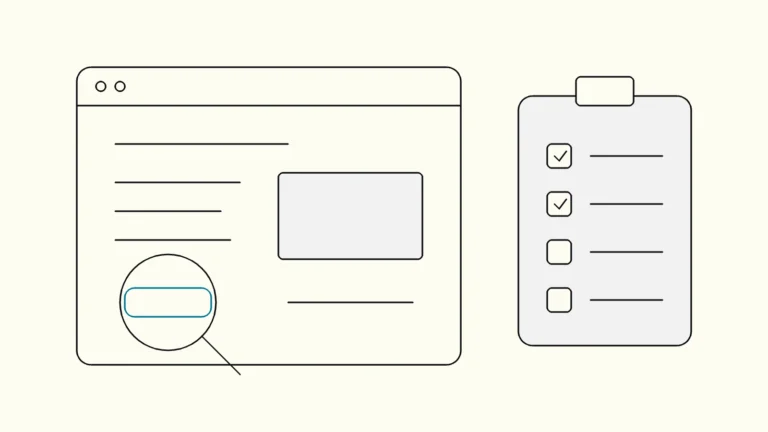
Accessibility audit (tillgänglighetsgranskning): what it includes
An audit is only as useful as its scope, its method and the report you get back. This is what a complete accessibility audit contains, step by step, and what to ask for before you sign.

What does a UI designer do?
This role turns a working flow into an interface people can read, trust and operate. Here is what the job involves day to day, what it produces and how to tell a strong interface designer from a decorator.
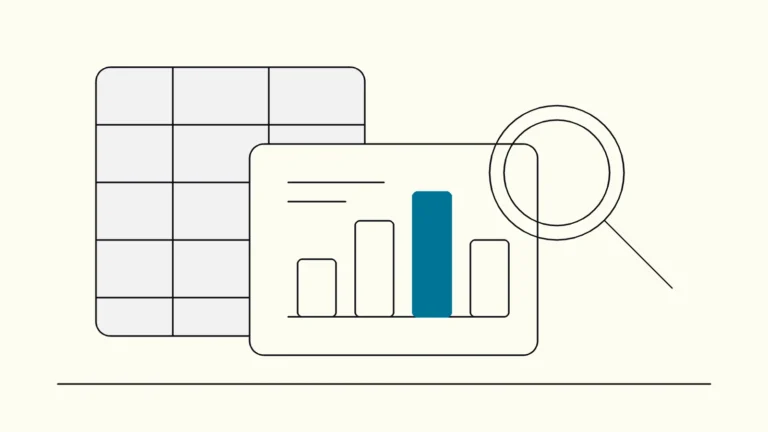
Data analysis for companies: methods and where to start
The five types of analysis, the business question each one answers, and a practical way to begin with one decision rather than a data project.
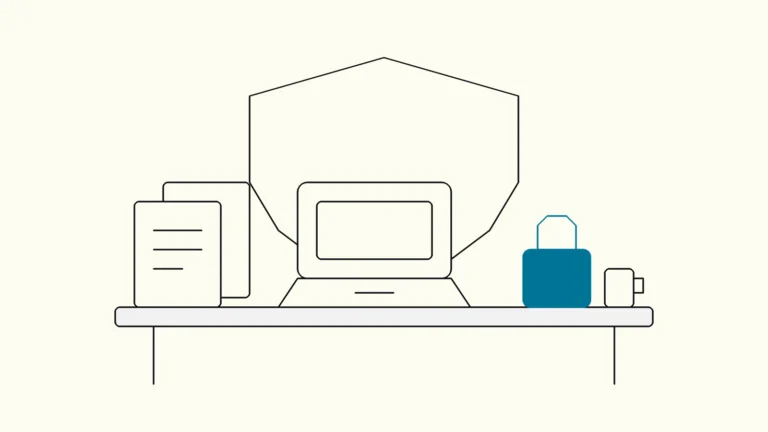
Information security vs cybersecurity: the difference, and what an ISMS is
The two terms are used as synonyms, but they cover different ground. This explainer separates them, places IT security and data protection next to them, and shows what a security management system (ISMS) actually consists of.

Single source of truth: what it means and how to get there
Why "one database for everything" is the wrong goal, what a single source of truth really requires, and the order in which to build it.

Data quality: how to measure it and fix it at the source
A seven-step method for turning complaints about bad data into measured quality rules, automated checks and fixes in the systems where errors begin.
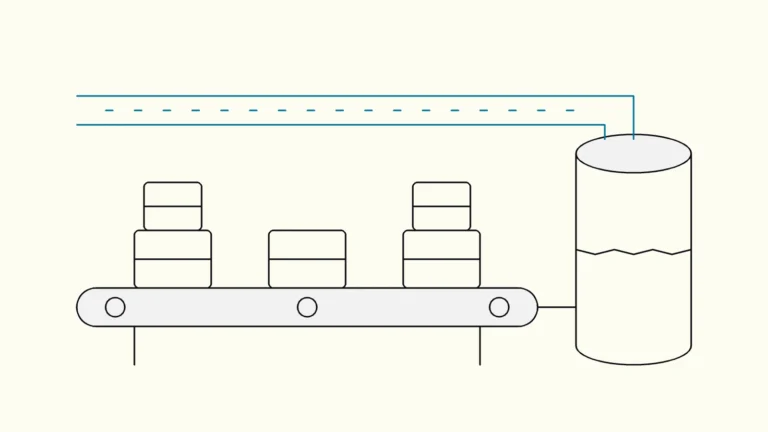
Real-time data or batch processing: what does your business need?
How batch, micro-batch and streaming differ in latency, cost and complexity, and how to decide which data flows actually need to be real-time.

AI use cases by department: realistic examples for mid-sized companies
What AI can realistically do today in sales, marketing, customer service, finance, HR, operations and IT, what each use case needs, and where the risks are.

Data strategy for mid-sized companies: a one-page approach
How to write a data strategy that names the decisions you want to improve, the data behind them, who owns it and what you will build in the next twelve months.