Home Remodeling an Older Home Without Losing Its Character
An older home may have the character you love but a layout that no longer suits your needs. Learn how to evaluate original features and preserve what adds value.


Older homes often have something that is difficult to recreate in a newer house. It may be the established neighborhood, the mature trees outside the windows, the proportions of the rooms, or simply the memories connected to the home. For many homeowners, the decision to begin a home remodeling project comes after considering a move and realizing they do not want to leave the place that already feels like home.
The layout may no longer work, the finishes may be dated, and certain rooms may need significant upgrades, but that does not mean homeowners want an entirely different house. Remodeling an older home can provide the opportunity to improve how it functions while preserving the details, character, and familiarity that made the homeowners want to stay in the first place.
Start by Identifying What Makes the Home Worth Keeping
Before making decisions about finishes or floor plans, it helps to identify what homeowners love about the house and what they do not want to lose. This is especially important when home remodeling involves substantial changes.
For some homeowners, the answer is location. They may be close to family, schools, work or an established community they do not want to leave. In other cases, the connection is more personal. The home may be where their children grew up, where family traditions began, or where years of memories were made.
There may also be physical features worth preserving. Original millwork, hardwood floors, fireplaces, and architectural details can all contribute to a home’s character. Even when these elements are not perfect, they may be an important part of what makes the house feel familiar.
Creating a list of what should remain, what could be updated, and what needs to change can help guide the remodeling process. A homeowner may want a completely new kitchen, for example, while also wanting to preserve the original hardwood flooring or maintain the flow of the home from room to room.
Update the Layout Without Erasing the Home’s Personality
One of the biggest challenges in remodeling an older home is improving the layout without making the finished space feel disconnected from the rest of the house.
Many older homes were designed around lifestyles that look different today. Kitchens may be separated from gathering spaces, bathrooms may be small, and storage may be limited. A growing family may also find that rooms no longer serve the same purpose they once did.
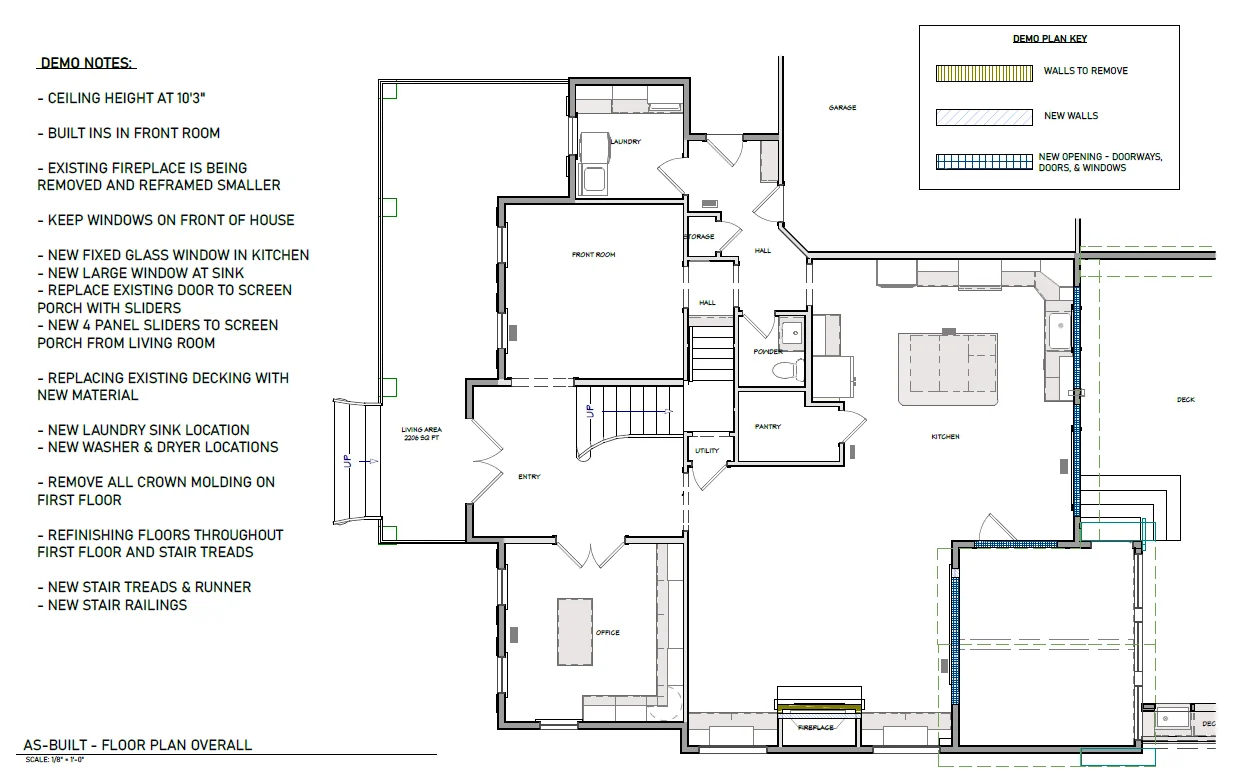
Changing the layout can make a significant difference, but not every wall needs to come down. In some cases, partially opening a wall, widening a doorway, or creating a better connection between rooms can improve flow while preserving the structure and proportions that give the home its personality.
The goal is not necessarily to make an older home look brand new. Instead, layout changes can help the home support the way the family lives now.
Preserving Original Features When They Still Serve a Purpose
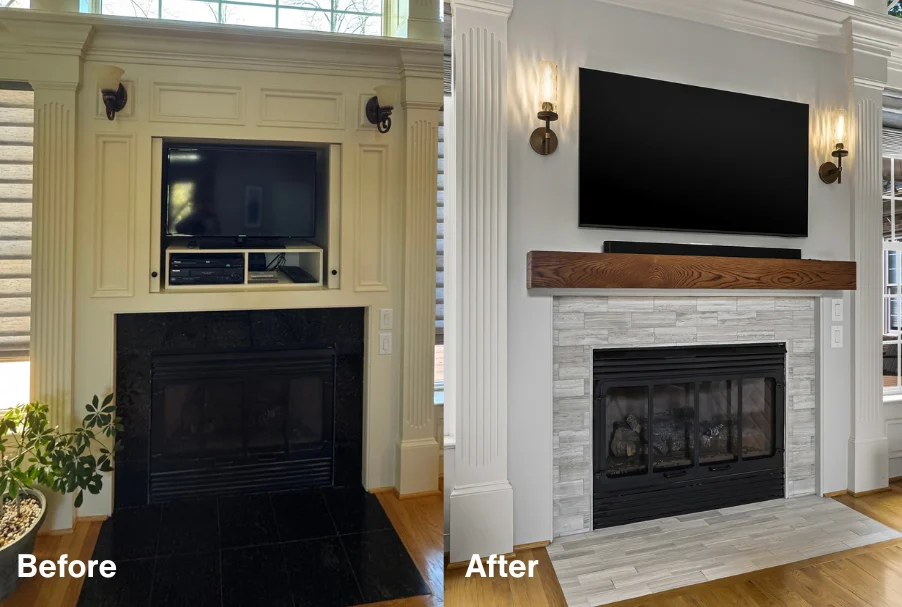
During home remodeling, homeowners often need to decide whether original features should be restored, incorporated into the design, or replaced. Some features may have both practical and sentimental value. Original hardwood floors may be refinished rather than covered. An existing fireplace may remain a focal point while receiving an updated surround.
Not every original feature needs to stay simple because it is older. Some may be damaged beyond reasonable repair, no longer function properly, or prevent necessary improvements. When replacement is necessary, details from the existing home can often inform the new work. Matching the scale of the existing trim or selecting materials that complement the home’s architecture can help additions and renovated spaces feel connected rather than separate.
This approach is particularly important when remodeling only part of your home. A newly renovated space should function for modern life, but it should also feel appropriate within the larger house.
Choosing New Materials That Complement the Existing Home
Materials and finishes have a major impact on whether a remodel feels connected to an older home. That does not mean every selection needs to replicate what was originally installed. Homeowners can incorporate current materials and conveniences while considering the overall architectural feel of the house.
For example, a historic or traditional home may suit cabinetry with more detailed door styles, while a mid-century home may call for cleaner lines and simpler forms. Flooring, lighting, hardware, tile, and millwork can all help reinforce the character of the home.
It is also important to consider how materials transition from one room to another, as well as architectural details. If hardwood flooring remains throughout much of the house, introducing an entirely different flooring material in an adjacent remodeled space may create a noticeable break. Ceiling heights, window placement, or door styles can influence how new materials and features should be selected.
Plan for the Improvements You Cannot See
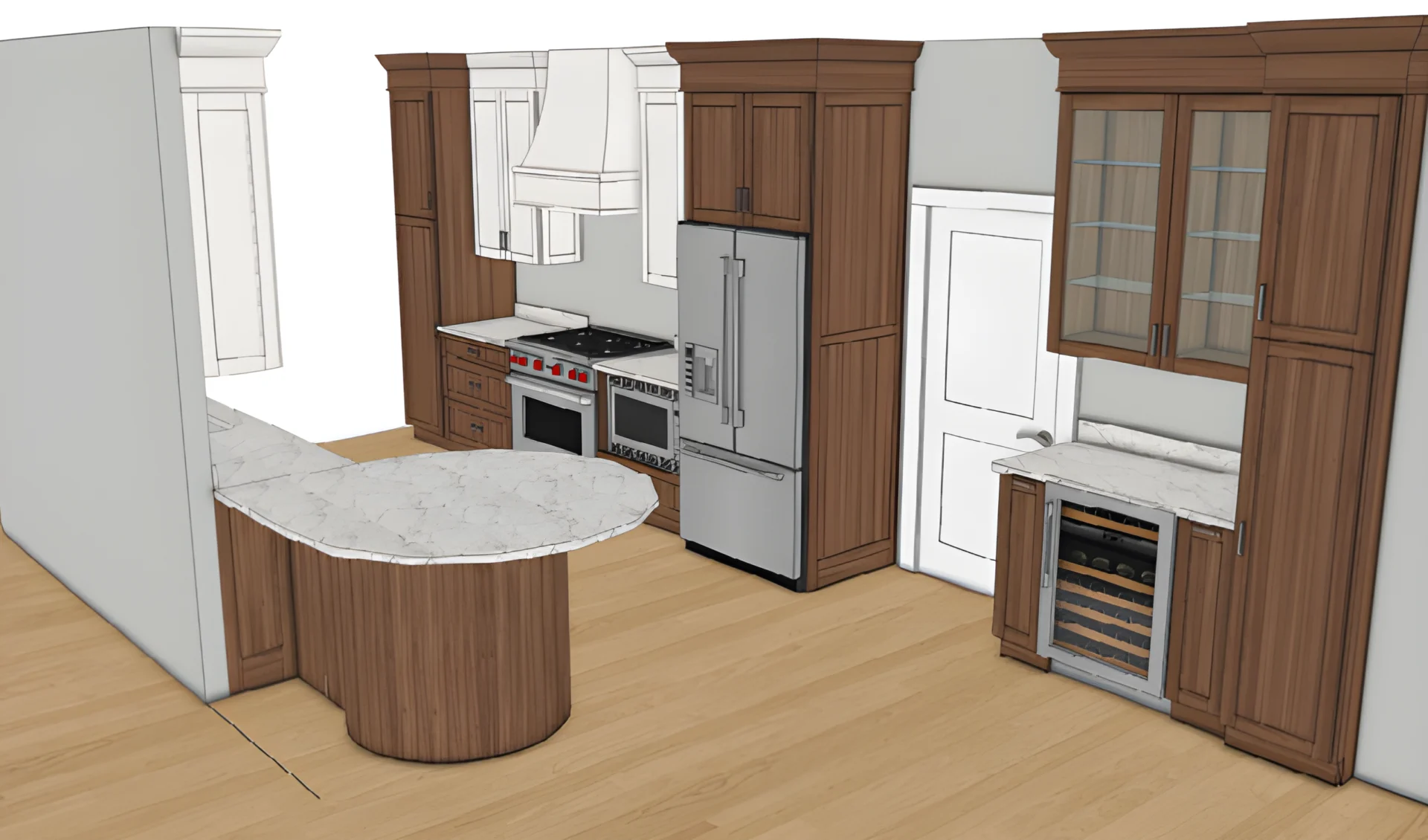
Preserving character does not mean preserving outdated systems. Older homes may need electrical, plumbing, insulation, framing, or structural conditions that need attention during a remodel. These are often the improvements homeowners do not see in the finished photographs, but they can be just as important as new finishes.
For example, opening a wall may reveal plumbing or wiring that needs to be relocated or updated. A new addition may require structural changes to connect properly with the existing home. Older insulation may need to be improved to make structural spaces more comfortable.
These conditions are also one reason existing homes should be evaluated carefully before finalizing the scope of a major project. What appears simple in a floor plan may involve additional work once the construction of the home is better understood.
Awareness of these potential conditions can help the homeowners make practical decisions and keep focused on the parts of the home they want to preserve.
Make Additions Feel Like They Belong
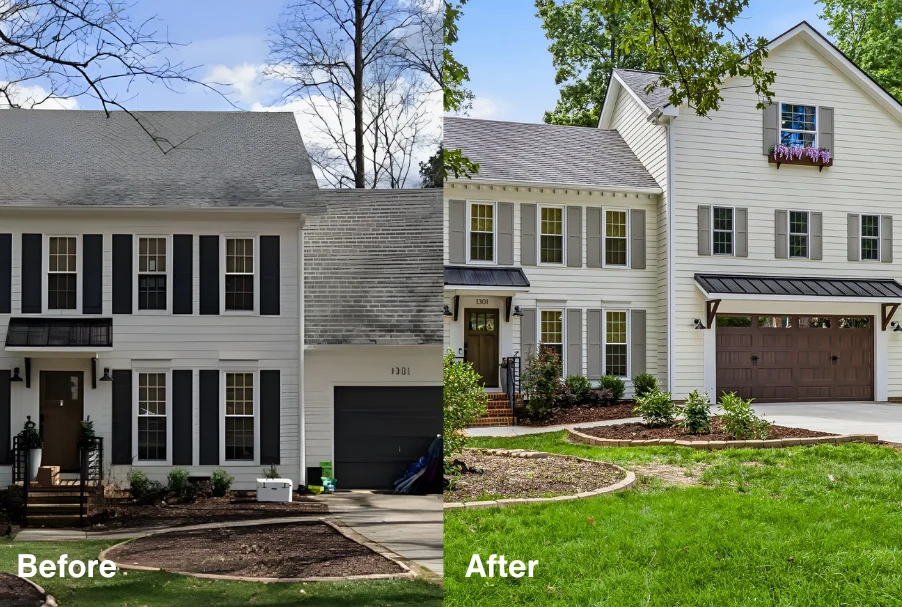
For some families, the existing house holds tremendous value, but there simply is not enough room within its current footprint. In these situations, ad addition can provide needed space without requiring the family to leave the home and neighborhood they love.
The challenge is making the new portion feel connected to the original house. An addition should consider more than its square footage. Rooflines, exterior material, windows, proportions, and transitions between old and new spaces all affect how naturally the addition fits the home.
A well-planned addition can allow homeowners to gain a large kitchen, additional living space, a primary suite, or other needed areas while continuing to enjoy the home that already holds so much meaning for their family.
Think Beyond the Current Remodel
Home remodeling decisions in an older home can affect future projects, so it is helpful to consider the larger picture before construction begins.
A homeowner may be remodeling the kitchen now but plan to update the adjacent living room in a few years. In that case, decisions about flooring, wall openings, lighting, and trim should take those future plans into account.
The same consideration applies to additions and structural changes. If a family expects to eventually renovate another section of the home, planning those connections early can prevent unnecessary duplicate work later.
This does not mean every project needs to include the entire house. Many homeowners choose to remodel in phases. However, having a broader understanding of where the home is headed can help individual work together over time.
Home Remodeling Can Preserve What a Family Loves While Improving What No Longer Works
For many homeowners, remodeling an older home is about more than updating finishes. They have considered moving, but the location may be difficult to replace. They may love their neighborhood, have strong connections to the community, or simply feel attached to a home their family has known for years.
A home remodeling project provides an opportunity to address the parts of the house that no longer work while holding onto the parts that matter most. That may mean preserving original details, maintaining familiar spaces, or designing an addition that gives the family more room without asking them to leave the home behind.
The most successful remodels begin with a clear understanding of both sides of that equation: what needs to change and what is worth preserving. With careful planning, an older home can gain the function needed for the next chapter of family life while continuing to feel like the home they never wanted to let go.

Design-Build for Home Additions: What Homeowners Should Know Before Expanding
A design-build approach brings the design and construction planning together from the beginning.

Bathroom Remodel: 6 Shower Details That Make a Difference
When planning a bathroom remodel, homeowners often focus first on the finishes they can see: tile, countertops, plumbing fixtures, and…

Preparing Your Home for Fall: Remodeling Ideas from Wake Remodeling
Outdoor living doesn't have to end when summer does. Certain additions can help your patio stay comfortable and usable through…