Hi, everyone! Welcome to the SI page for Human Anatomy (ZOO 3733C). On this page, you will find practice reviews, flashcards, tips, and other helpful resources.
You can pre-register for any session using Supplemental Instruction (SI) – Penji.
Session Times:
| Day | Time | Location |
| Monday | 9:30AM – 10:20 AM | TCH 0211 |
| Tuesday | 3:00PM – 3:50PM | TCH 0107 |
| Wednesday | 9:30AM – 10:20 AM | TCH 0211 |
| Thursday | 4:00PM – 4:50PM | Zoom |
What do you need?
- Block One: Head and Neck
- Block Two: Back & Thorax
- Block Three: Abdomen, Pelvis, and Perineum
- Block Four: Upper Limb
- Block Five: Lower Limb
- Final Exam Review
- Additional Study Resources
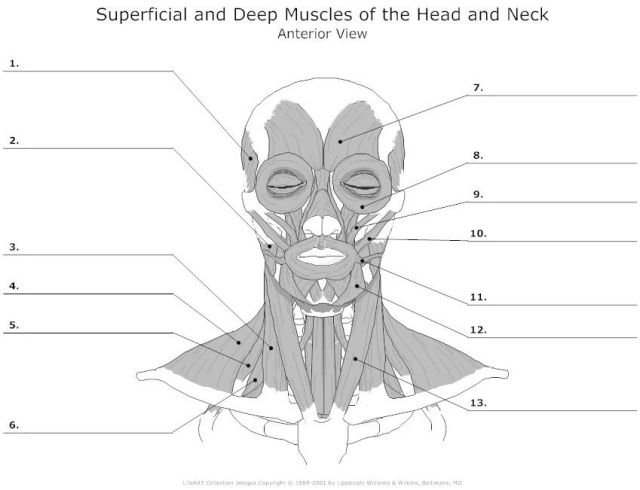
Block One: Head and Neck
Welcome to Block One! Block One can be one of the most challenging sections for students due to the amount of new content. It is easy to feel overwhelmed, but there are many resources here to help you test your knowledge and make note of areas that need more review.
Tips: My biggest tip for this block is periodic review! As students, I know that your schedule can be jammed packed with other courses, work, extracurricular activities, and social plans. If you are able to, block out even just 30 minutes – 1 hour of review per day. Play a Kahoot, take a practice test, even flip through a couple flashcards. Go through Dr.Chiarelli’s blank study guide and see how well you do! Familiarizing yourself with the information can help the information feel less “heavy” to memorize.
| Practice Tests | Block One Mini Quiz Block One Mini Quiz – Answer Key Block One Practice Test #1 Block One Practice Test #1 – Answer Key Block One Practice Test #2 Block One Practice Test #2- Updated Answer Key |
| Kahoots & Booklets | Kahoot: Head & Neck Vasculature Blooket (Made by SI Leader Diego): Structures of the Ear |
| Quizlet | Brain Regions + Functions Neuroglia Cells Cranial Nerves + Function |
| Zoom Recordings | B1 Exam Review Session |
| Clinical Application Worksheet | B1 Clinical Points B1 Clinical Points – Answer Key |
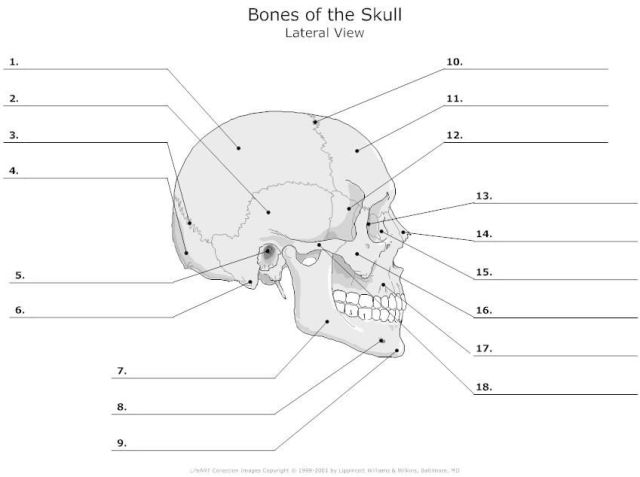
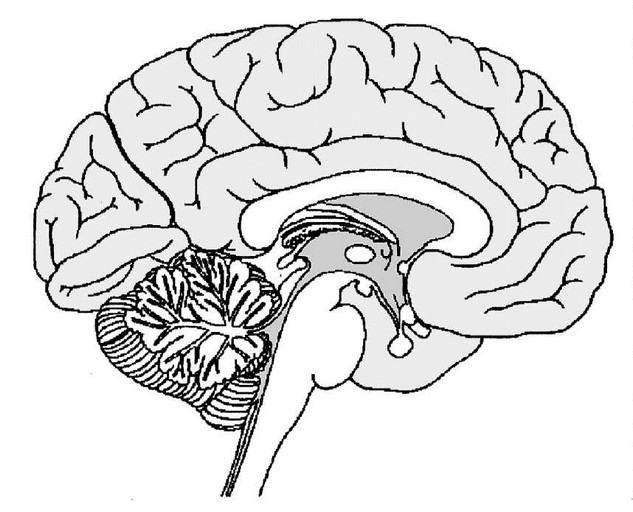
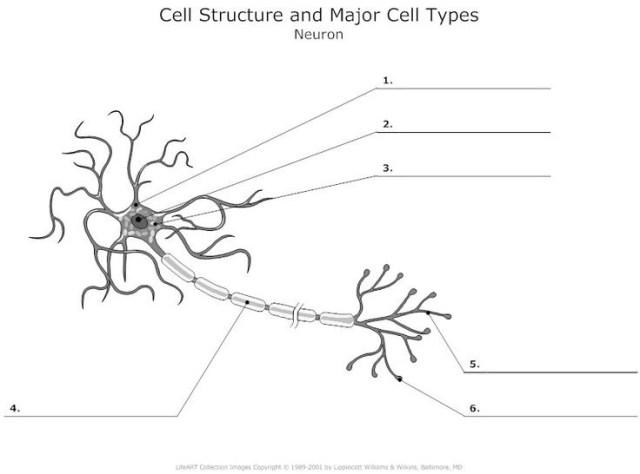
Block One Diagrams:
Block Two: Back & Thorax
Block Two is here, and I’ve got your back (heh). No, but seriously, Block Two was a favorite of mine and hopefully becomes a favorite of yours too!
Tips: Clinical Significance is so important in this block. After reviewing a specific subject (i.e. vertebras, spinal cord, muscles, etc.), stop yourself and ask “why is this important?” What would happen if this body part, this muscle, or this section of the spinal cord were removed? This is a great block to dig into the clinical significance of anatomy and hone in your problem-solving skills.
| Practice Tests | Block Two Mini Quiz Block Two Mini Quiz – Answer Key Block Two Practice Test #1 Block Two Practice Test #1 – Answer Key Block Two Practice Test #2 Block Two Practice Test #2 – Answer Key |
| Kahoots & Booklets | Blookets (Made by SI Leader Diego): Block Two Part 1 Block Two Part 2 Block Two Part 3 Block Two Part 4 Block Two Part 5 |
| Quizlet | Back Muscles + Innervations |
| Zoom Recordings |
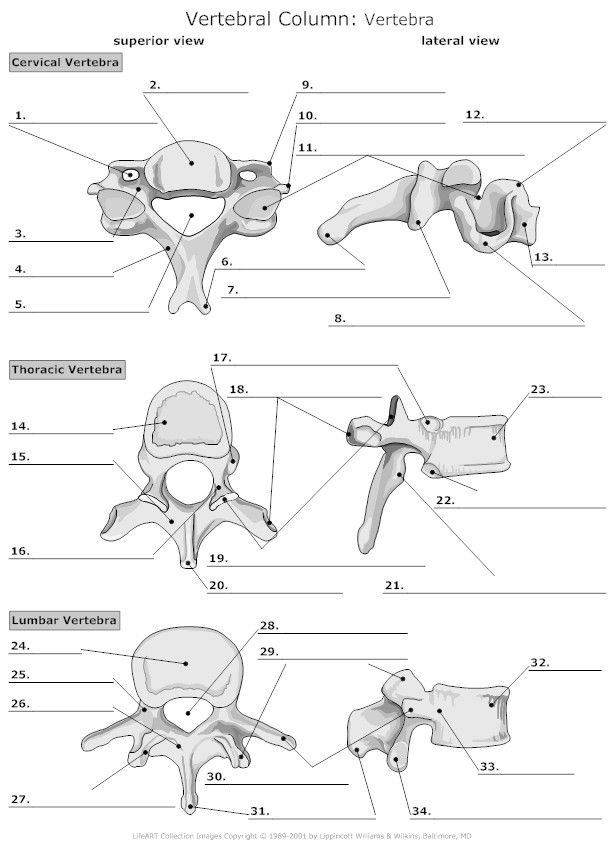
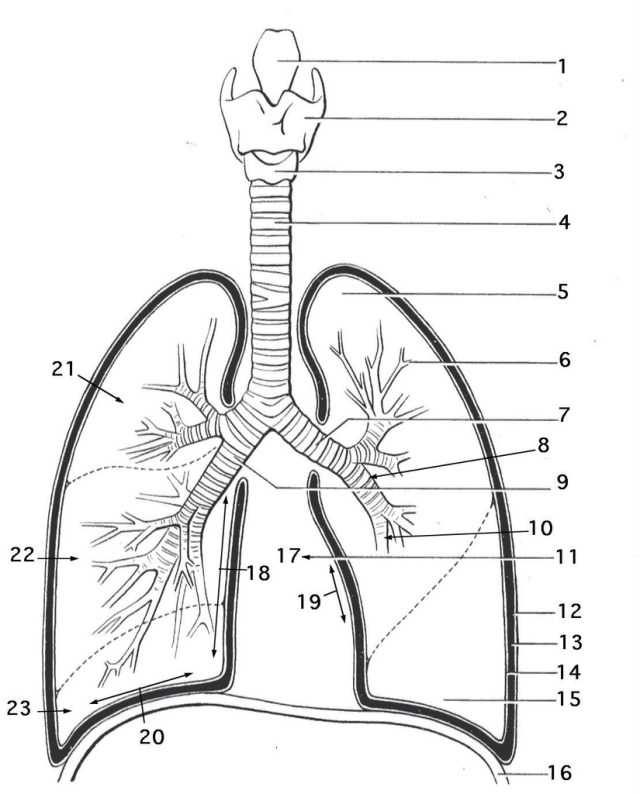
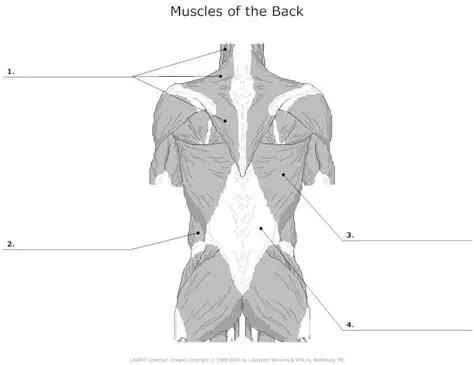
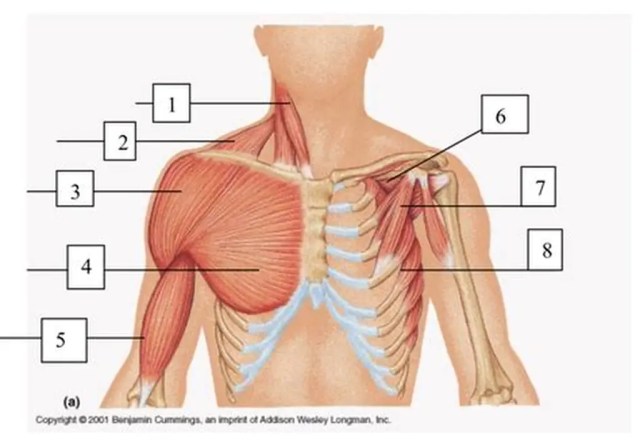
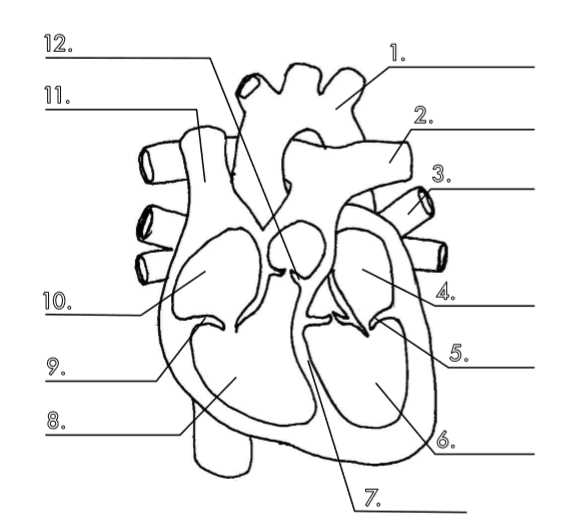
Block Two Diagrams:
Block Three: Abdomen, Pelvis, and Perineum
Block Three is a hefty section, but you guys are too locked in so this will be light.
Tips: Working closely with lab is such a huge help for this block (and any blocks really)!
Renting out an anatomical model from the library and tracing the pattern of digestion was very beneficial for me. At each new point in the digestive process, brain dump everything you know about it, then try some Clinical Application.
| Practice Tests | Block Three Mini Quiz Block Three Mini Quiz – Answer Key Block Three Mini Quiz 2 Block Three Mini Quiz 2 – Answer Key Block Three Practice Test #1 Block Three Practice Test #1 – Answer Key Block Three Practice Test #2 Block Three Practice Test #2 – Answer Key |
| Kahoot’s & Booklets | Blookets (Made by SI Leader Diego): Block 3 Part 1 Stomach/Structures Small & Large Intestine Kidney Female Reproduction Male Reproduction |
| Quizlet | |
| Zoom Recordings | B3 Exam Review Session |
Block Four: Upper Limb
Second to last block, amazing!
Tips: Hopefully by now, you aware of which study tips work best for you and which ones do not. My biggest piece of advice for this block is to hone in on the skills that have helped you succeed in Anatomy and take note of which aspects of the course you may be struggling in. This is the perfect time to build your confidence with review.
Do not fear the Brachial Plexus, make the Brachial Plexus fear you.
| Practice Tests | Lecture Exam 4 Review Lecture Exam 4 Review – Answer Key |
| Kahoot’s & Blookets | Blookets (Made by SI Leader Diego): Block 4 Part 1 Block 4 Part 2 Block 4 Part 3 |
| Quizlet | Block 4 Origins, Insertions, and Compartments Brachial Plexus – Corresponding Numbers on Diagram |
| Zoom Recordings | 11/05 Session Recording |
Block Five: Lower Limb
Last block, it’s time to step up to the plate (heh).
Tips: Visuals are very important for this block, from the muscle groups to the blood flow. I recommend renting a model from the Circulation Desk, filling out blank diagrams, or trying the marker/tape method. In addition, practicing a few workouts/movements can help connect lecture material to real-life scenarios.
| Practice Tests | Block Five Practice Test #1 Block Five Practice Test #1 – Answer Key Block Five Practice Test #2 Block Five Practice Test #2 – Answer Key |
| Kahoot’s & Booklets | Blookets (Made by SI Leader Diego): Block 5 Part 1 Block 5 Part 2 Block 5 Part 3 Block 5 Part 4 |
| Quizlet | |
| Zoom Recordings |
Final Exam Review
| Practice Tests | |
| Kahoot’s & Booklets | |
| Quizlet | |
| Zoom Recordings |
Additional Study Resources
- Pomodoro Timer: 25:00 – Time to focus!
- Take 25 minutes, answer a practice test without your notes and see how you do!
- 3-D Anatomical Model: GetBodySmart | Interactive Anatomy and Physiology
- This tool was especially useful for me to visual systems and their functions. Pull up this model in tandem with your notes, map out their paths/interactions.
- Marker/Tape: Don’t have your notes? You can be a study tool. Grab a nontoxic marker and map out muscles, bones, or even information on regions of the body.
- You can also choose to do this on pencil and paper. Map out body diagrams and relevant information. 🙂
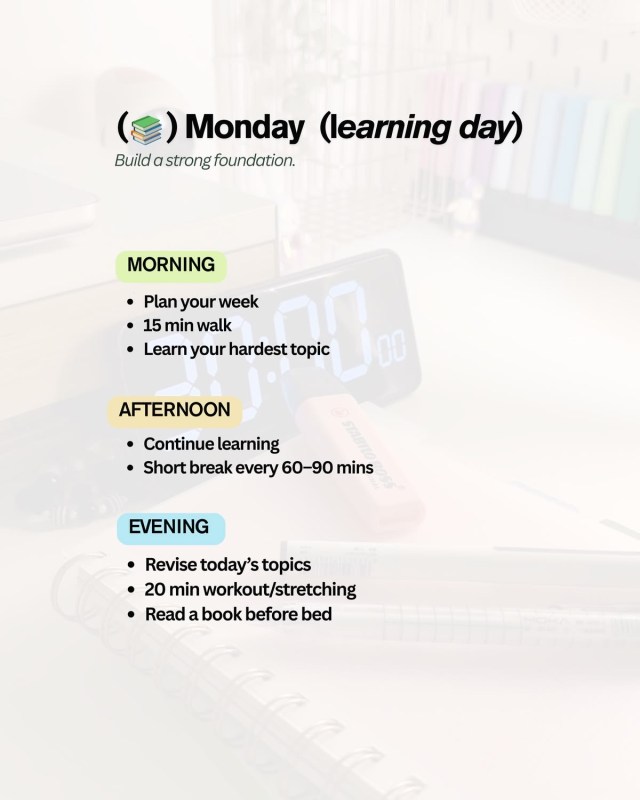
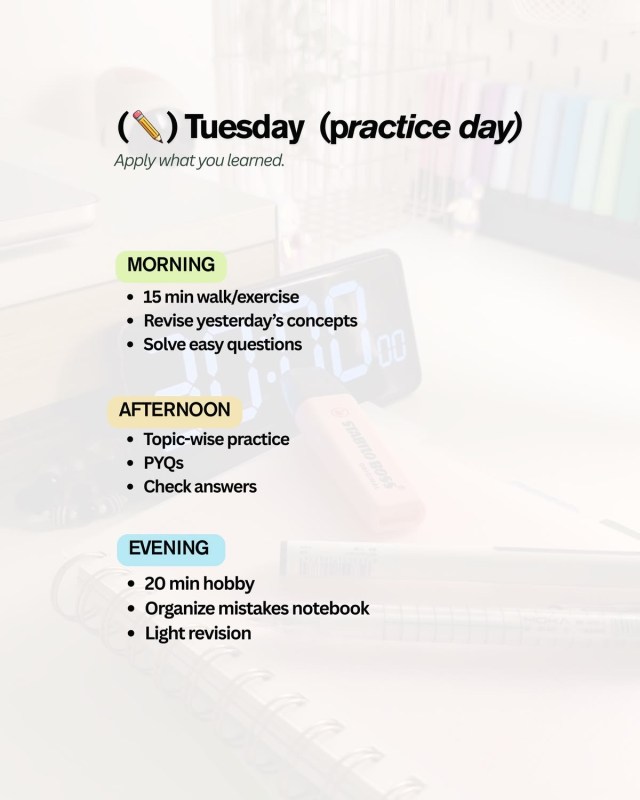
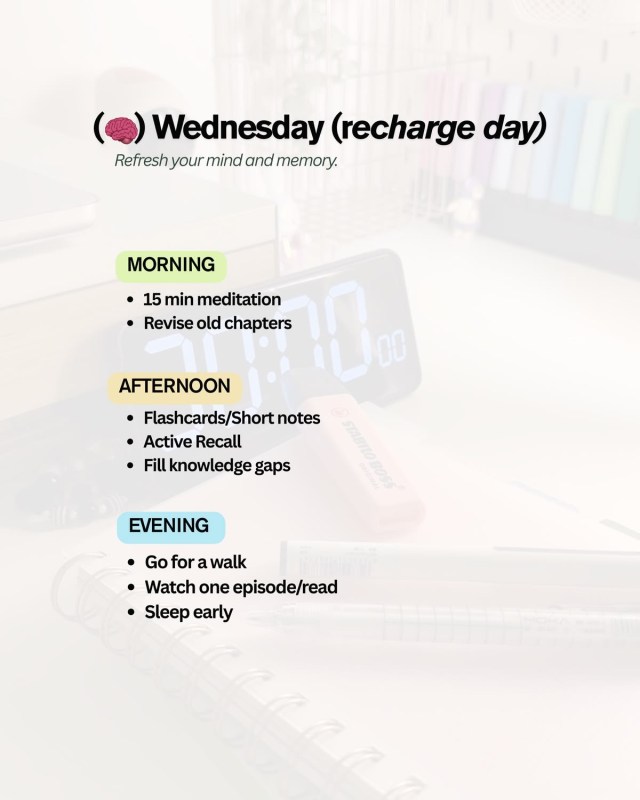
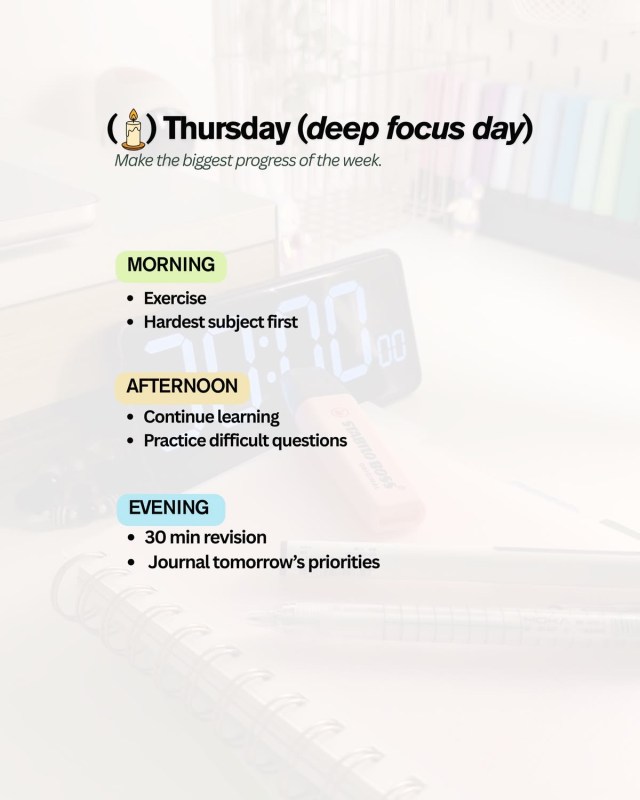
- Day-theming:
- Try a week of day-based review! This can be a helpful way to make studying feel less overwhelming and more organized.