| Summer 2026 |
Hey guys! My name is Alyssa, and I am the SARC Peer Tutor for Biochemistry 1 for the Summer 2026 semester.
This is my second semester tutoring this course. I took this course in the fall semester and earned an A. I look forward to seeing everyone and helping you guys out. Let’s have a great semester!
This page will hold the schedule to my group sessions, along with any materials that I, or previous tutors, have posted to assist you in the course.
Alyssa’s Group tutoring sessions:
| Day | Time | Location |
| Monday | 4:30 – 6:30 PM | TCH 117 |
| Wednesday | 10:00 AM – 12:00 PM | TCH 117 |
| Friday | 2:30 PM – 4:30 PM | Online |
Alyssa’s One-on-One sessions:
Note: One-on-One sessions are held online via Zoom and can be booked for 30 or 60 minutes. To schedule: log in to the Penji web app with SSO -> navigate to UCF SARC Peer Tutoring community -> find BCH4053 with me -> book session(s).
Chapter 4: Amino Acids
Videos:
Fall 2025
Hello everyone! My name is Aaron, and I will be your SARC Peer Tutor this fall with Drs. Gerasimova and Kolpashchikov.
This is my fifth semester as a peer tutor for biochemistry. I have helped many students do well over the years, and I look forward to helping you succeed, too!
Feel free to join my group tutoring sessions or book a one-on-one session in times of doubt. You can find my session times and some helpful material below.
“Happier thoughts lead to essentially a happier biochemistry. A happier, healthier body.
-John Hagelin
Session Information:
Group Peer Tutoring Session Times:
| Days | Times | Venues |
|---|---|---|
| Monday | 02:00 p.m.-04:00 p.m. | TCH 117 |
| Tuesday | 11:30 a.m.-01:30 p.m. | TCH 117 |
| Wednesday | 06:00 p.m.-08:00 p.m. | Penji (online) |
One-on-one Tutoring Session Times:
Note: One-on-one sessions are held online; you can schedule them in one-hour blocks only. To schedule: log in to the Penji web app with SSO -> navigate to UCF SARC Peer Tutoring community -> find BCH4053 with me -> book session(s).
| Days | Times | Venues |
|---|---|---|
| Tuesday | 02:00 p.m.-03:00 p.m. | Penji (online) |
| Tuesday | 06:00 p.m.-07:00 p.m. | Penji (online) |
| Wednesday | 05:00 p.m.-06:00 p.m. | Penji (online) |
| Friday | 04:00 p.m.-05:00 p.m. | Penji (online) |
“Rate Your Tutor” Survey for
Fall 2025:
Previous Semester Zoom Session Recordings:
1. 03/14/2025 Review of Monosaccharides (Carbohydrates).
2. 03/28/2025 Review of Carbohydrates and Nucleic Acids (Exam 3 Dr. C).
3. 04/04/2025 Review of Lipids and Membrane Transport (Dr. C).
5. 04/08/2025 Lipids and Membrane Transport Document with Questions and Answer Key
Current Semester Zoom Session Recordings:
1. 08/27/2025 Review of H-Bonding & Difficult Concepts in Aqueous Solutions/Buffers.
4. 09/17/2025 Post-Exam 1 Discussion (Dr. G’s Section) + Dr. K Exam 1 Review
5. 09/24/2025 Review of Protein Folding, Structural Analysis, and Separation Techniques
6. 10/01/2025 Review of Fatty Acid Nomenclature and Lipid Classes
Lightboard Tutorial Template:
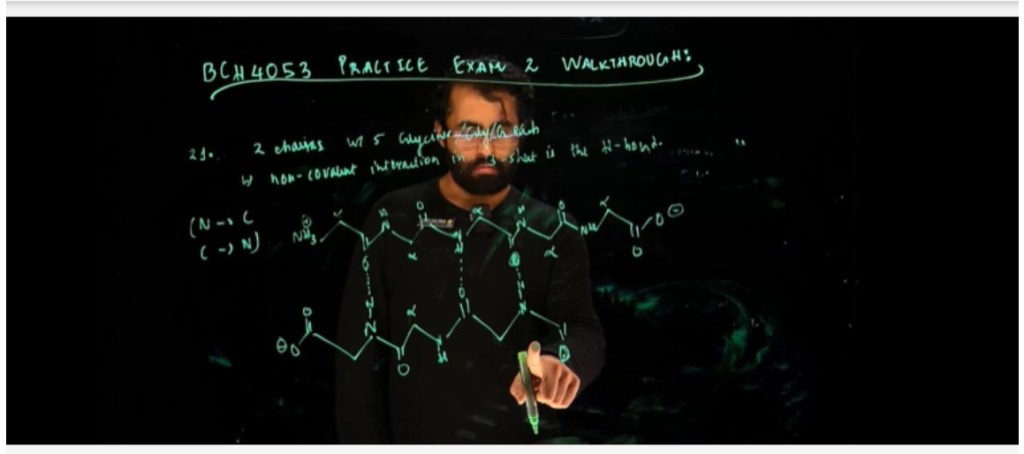
1. 08-28-2025 Tutorial for Buffers/Aqueous Solutions/Water Questions
2. 09-02-2025 Tutorial for Converting Fischer Projections to Bond Line/Haworth Structures
3. 09-15-2025 Tutorial of van’T Hoff Plots and Peptides/Titration Curves
Study Materials:
Module 1:
Chapter 1: Introduction to the Chemistry of Life:
Videos:
General Laws of Thermodynamics:
Enthalpy Derivation- 1st Law:
Gibbs Free Energy and the Equilibrium Constant:
van’t Hoff Plots:
Practice Questions: Please read the title and the disclaimer within the document before use.
Useful Textbook Fragments:
Chapter 2: Water:
Videos:
Refresher on Polar and Nonpolar Molecules:
Hydrophobic/Hydrophilic Effects:
What is a Micelle?
Diffusion versus Osmosis:
Acid Base Equilibria, Buffers, and the Henderson-Hasselbalch Equation (important):
How to Sketch Titration Curves, you ask?
Practice Questions: Please read the title and the disclaimer within the document before use.
Useful Textbook Fragments:
{Now we get into biomolecules!!}
Chapter 8: Carbohydrates:
Videos:
How to Draw Carbohydrates (Fischer to Haworth Interconversion Included):
Monosaccharide Reactivity and Mutarotation:
Simple D versus L Sugar Structure:
Peptidoglycan Basics (Isn’t the Structure Scary??):
Practice Questions: Please read the title and the disclaimer within the document before use.
Useful Textbook Fragments:
Chapter 3: Nucleotides and Nucleic Acids:
Videos:
Nucleic Acids Intro:
Gel Electrophoresis:
PCR Intro:
Sanger Sequencing Basics:
Restriction Enzymes Overview (see supplements below for table):
Practice Questions:
Useful Textbook Fragments:
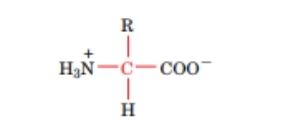
Chapter 4: Amino Acids:
Videos:
Amino Acid Basics:
Amino Acid Stereochemistry (watch as much as you need):
Practice Questions:
Useful Textbook Fragments:
Module 2:
{Refer to module ABOVE for complete Carbohydrates review module (polysaccharides) and complete Introduction to Nucleotides, Nucleosides, and Nucleic Acids. }
Chapter 5: Proteins: Primary Structure:
Videos:
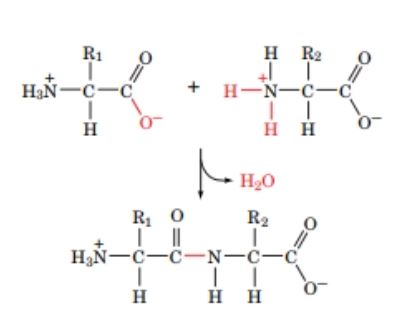
Primary Protein Structure Basics:
SDS Page Basic Overview:
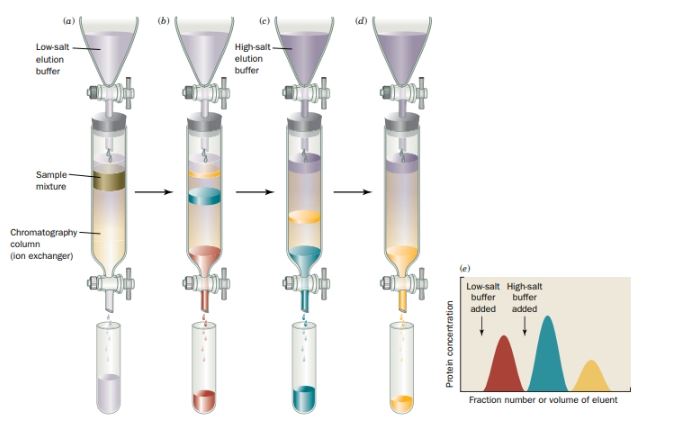
Chromatography Basics:
Beer Lambert Law Basics:
Practice Questions:
Useful Textbook Fragments:
Chapter 6: Proteins: Three-Dimensional Structure:
Videos:
Intro to Protein Folding:
Good Video Summarizing Tertiary Structure:
Phi and Psi Angles in More Detail:
Protein Denaturation Basics:
Practice Questions:
Useful Textbook Fragments:
Chapter 24: Nucleic Acid Structure:
Videos:
Difference Between DNA and RNA:
A-, B-, and Z-DNA Basics:
DNA Supercoiling and Topoisomerase Function:
Linking Number Calculation:
Practice Questions:
Useful Textbook Fragments:
Chapter 9: Lipids (First Part Only- Until Lipid Bilayer):
Videos:
Lipid Basics:
More Lipid Overview if Needed:
Practice Questions:
Useful Textbook Fragments:
Module 3:
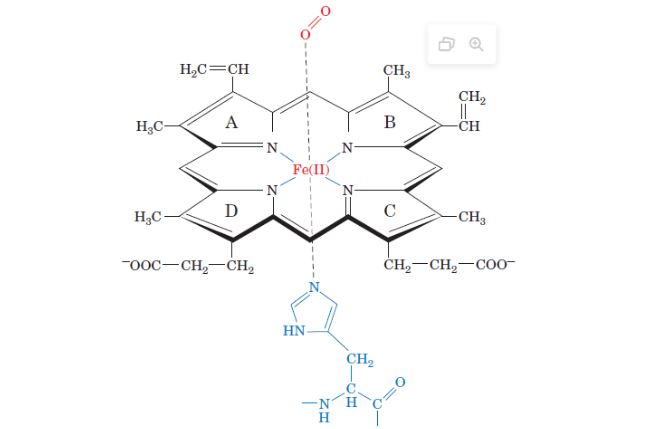
Chatper 7: Protein Function: Myoglobin and Hemoglobin, Muscle Contraction, and Antibodies:
Videos:
Differences Between Hemoglobin and Myoglobin:
Oxygen-Dissociation Curve Summarized:
Dr. Caranto’s Explanation of the Hill Equation and the O-Hb-Dissociation Curve:
Muscle Contraction Mechanism (Brief):
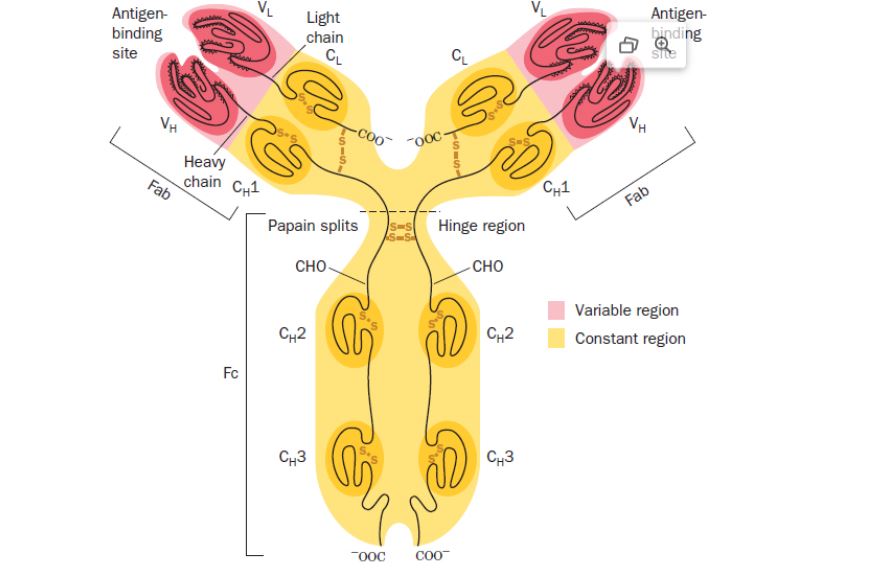
Antibody Basics:
Practice Questions:
Useful Textbook Fragments:
Chapter 11: Enzymatic Catalysis:
Videos:
Full Breakdown of Mechanisms of Enzymatic Catalysis (Watch as much as you need):
Mechanism of Lysozyme Action:
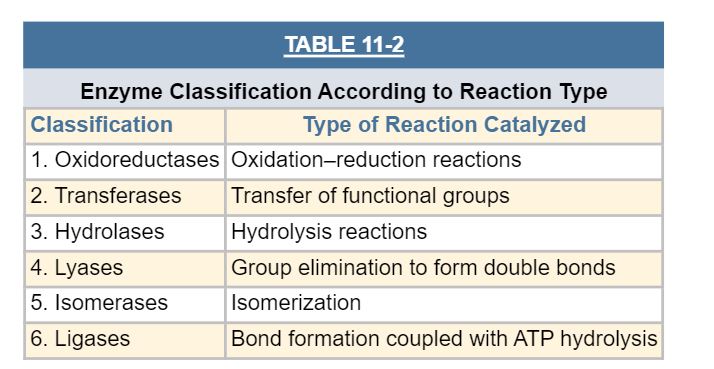
Enzyme Classes:
Practice Questions:
Useful Textbook Fragments:
Chapter 12: Enzyme Kinetics, Inhibition, and Control:
Important: Derivation of Michaelis-Menten Equation and Lineweaver-Burke Equation/Plots:
Find it here; pay good attention to the assumptions made before deriving the equations.
Videos:
This is an intro to reaction orders and basic reaction kinetics:
This is a good guide into what the assumptions of the Michaelis-Menten equation actually mean; the derivation is also shown here:
Although lengthy, this video is a great introduction to Lineweaver-Burke plots with respect to modes of inhibition. Watch as much as you need:
Practice Questions:
Useful Textbook Fragments:
Chapter 10: Membrane Transport:
Videos:
Video about Introduction to Membrane Transport (there is a full playlist associated with the video, and I recommend viewing as much of it as you need to gain familiarity with the different membrane transporters, channels, and equations):
Practice Questions:
Useful Textbook Fragments:
Chapter 24, continued: DNA-Protein Interactions:
There is not much that you have to know about this topic except for the structures of the specific motifs as well as how DNA is packaged (primarily for its interactions with histone proteins), which I have provided below. Additionally, please be sure to use your professor’s respective materials to gain a better understanding of the interactions.
Videos:
Basic Video about DNA-Binding Domains:
Basics of DNA Packaging (don’t mind the typo in the video title):
Chapter 13: Biochemical Signaling:
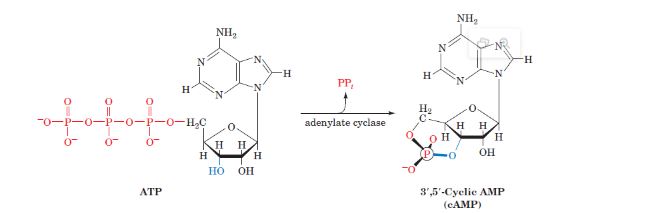
It is sufficient for you only to know about the different classes of signaling components, their secondary messengers, and their mechanisms of inactivation, and not the entirety of the content that is covered in the textbook.
Videos:
This Video is Part of a Playlist that Contains many Useful Videos about Different Signal Transduction Pathways (watch as much as you need):
Practice Questions:
Useful Textbook Fragments:
Study Materials
Please do not post any of the below files anywhere else!
| Topic 1: Thermodynamics and Redox (van’t Hoff, entropy, enthalpy, oxidation state) |
| Topic 2: Non-covalent interactions, Water and Buffers |
| Topic 3: Amino Acids |
pKa values for Amino Acids
Common values to use for N & C terminus:
pKa(COOH)=-3.5 and pKa(NH3)=-8
| Topic 4: Carbohydrates |
Video: Acid Catalyzed Hydrolysis of an O-linked Disaccharide
Disaccharide Practice (more specifically, glycosidic bond practice)
How to go from Fischer to Haworth
| Topic 5: Protein Purification |
| Topic 6: Nucleic Acids |
How I remember the Purines and Pyrimidines
Video: PCR Animation
| Topic 7: Protein Structure |
| Topic 8: Myoglobin and Hemoglobin |
Making a Hill Plot (link to a one drive file, you can download it!)
| Topic 9: Lipids and the Membrane |
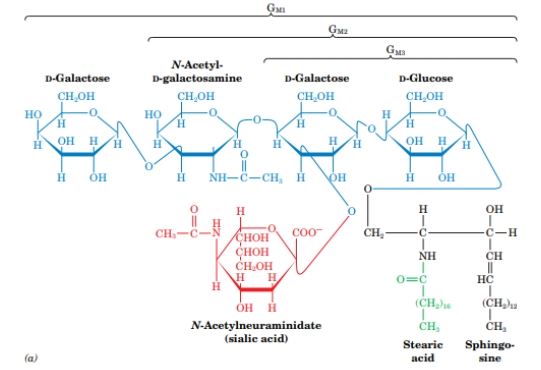
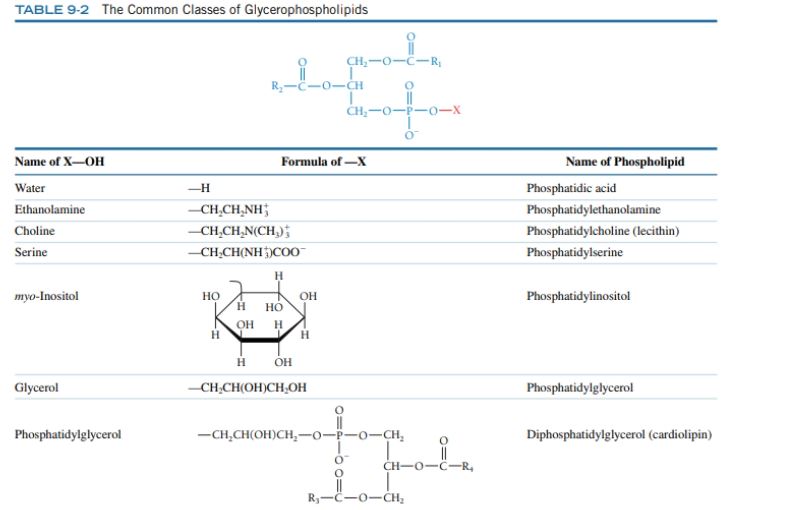
The structures of the lipids and their precursors (glycerol, triaglcyerol, phospholipids, sphingosine, sphingomyelin, ceramide, cerebroside, ganglioside)
What drives micelle formation? Its the Hydrophobic Effect!
Powerpoint: