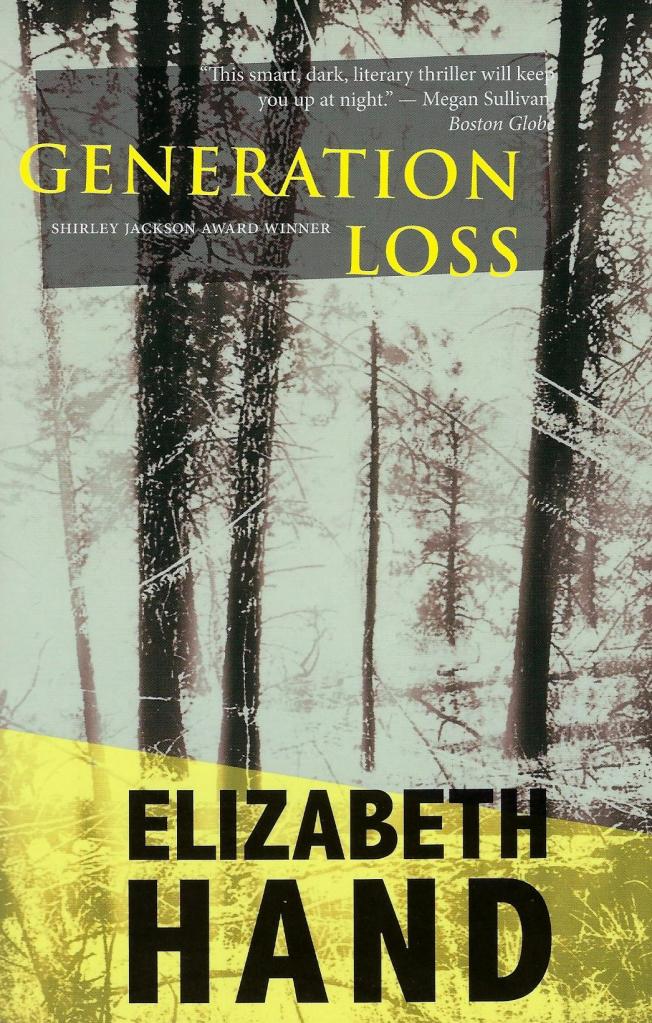
The early novels in Elizabeth Hand’s series about punk photographer and professional self-saboteur Cass Neary are defined by a tension between psychological excavation and narrative propulsion. What began as a dense, literary exploration of a washed-up photographer confronting the corrosive nature of artistic genius edged closer to crime fiction as the series expanded outward, from a collapsed New England commune to the ruins of the Norwegian black metal scene. Neary made her name photographing punks and junkies at the moment of their deaths and continues to stumble over dead bodies with camera in hand.

Significantly longer than its predecessors, Hard Light expands the series’ field of view. Now dodging police across multiple countries, Neary arrives in London, allowing Hand to turn her attention to the legacy of the swinging sixties. Where the earlier novels focused on artistic damage within specific scenes, Hard Light roots itself in history and geography. London emerges as a place where past cultural movements persist in altered form, flattened, repackaged, and put to work. This is a novel about how trauma and creativity move through time, embedding themselves as much in spaces as in people.
Continue reading →






 Taskerland