Bird watchers like to keep a “life list” of all the different birds they’ve seen and identified. It’s a competitive activity – a long list of exotics gives bragging rights – but it also, incidentally, provides clues to the compiler’s own story and where they’ve been at different times through the years.
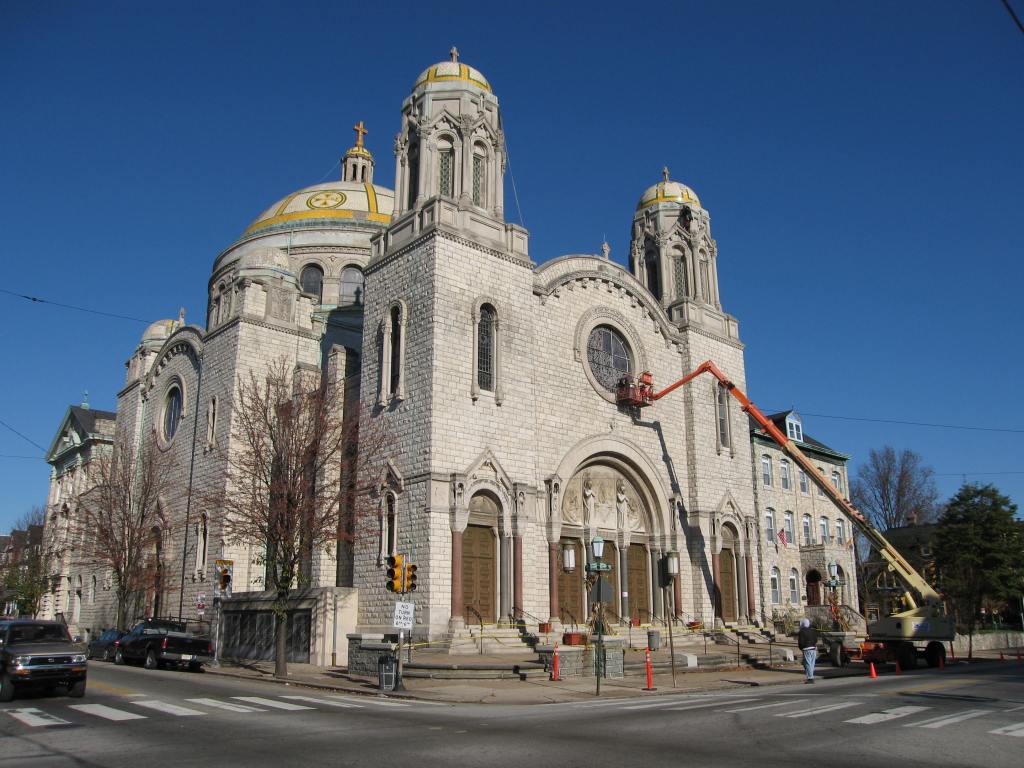
SFDS parish has a similar lengthy “life list” of pastors – including several bishops — that offers snapshots of the parish through its 134-year history. Perhaps it’s time to review that exhausting compilation as Father Eric moves on and Father Ryan Nguyen becomes Parochial Administrator – on the way to becoming Pastor Number Eighteen!
Here’s a quick timelapse of parish history, as told in the sequence of its pastors:
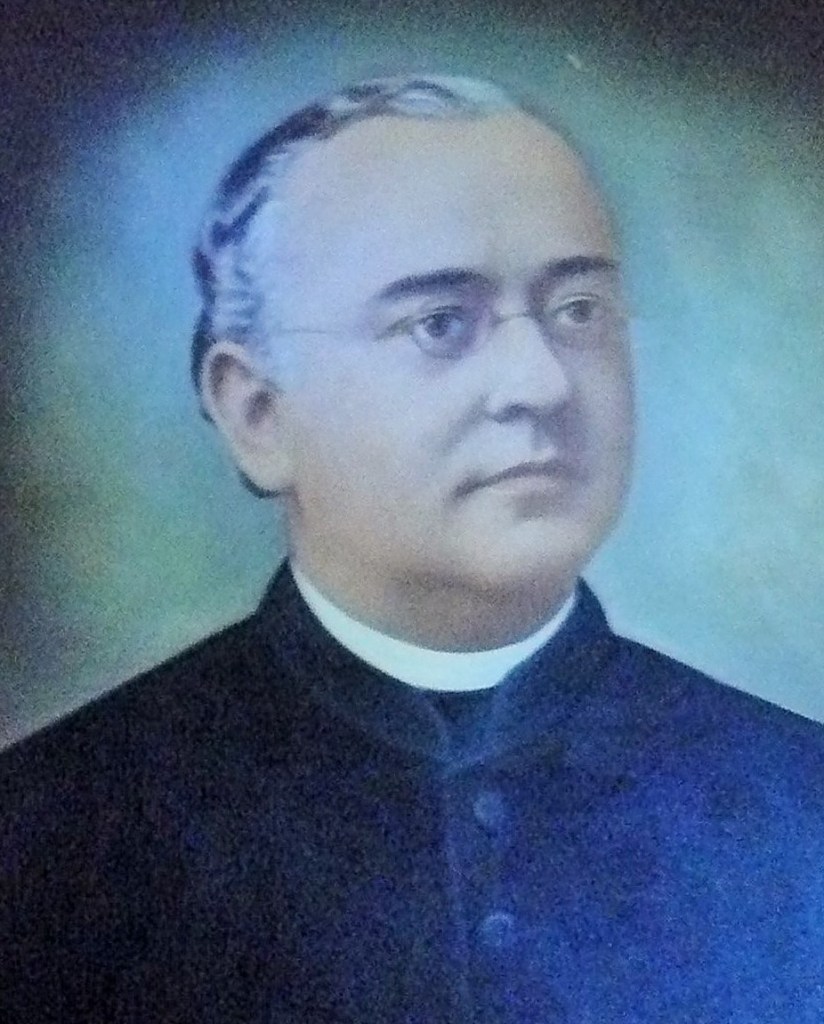
1. 1890-1903 Rev. Joseph O’Neill. Founding pastor of St. Francis de Sales. He chose the name of the church in 1890 – probably to honour his brother Rev. Francis O’Neill, who had started to build St. James Church (38th and Chestnut. Today St. Agatha St. James) and died suddenly in 1882 . Father Joseph O’Neill picked the location and began construction of the first SFDS parish building a combination chapel/school building (today’s school hall) in 1891, and the rectory in 1893. In 1898 he was involved as a defense witness in a notorious local murder trial. He died of heart failure at SFDS in 1903.

2. 1903-1928 Bishop Michael J. Crane. Reverend Crane opened the school in 1904 and built SFDS church between 1907 and 1911. In 1921, he became Assistant Bishop to Cardinal Dougherty. Bishop Crane was diabetic, so Cardinal Dougherty pulled some strings to get him into Dr. Frederick Banting’s historically successful hospital trial of insulin in Toronto in 1922. Bishop Crane later built the convent and the addition to the school in 1926. He died at SFDS on December 26, 1928, and is buried on the Rectory lawn.
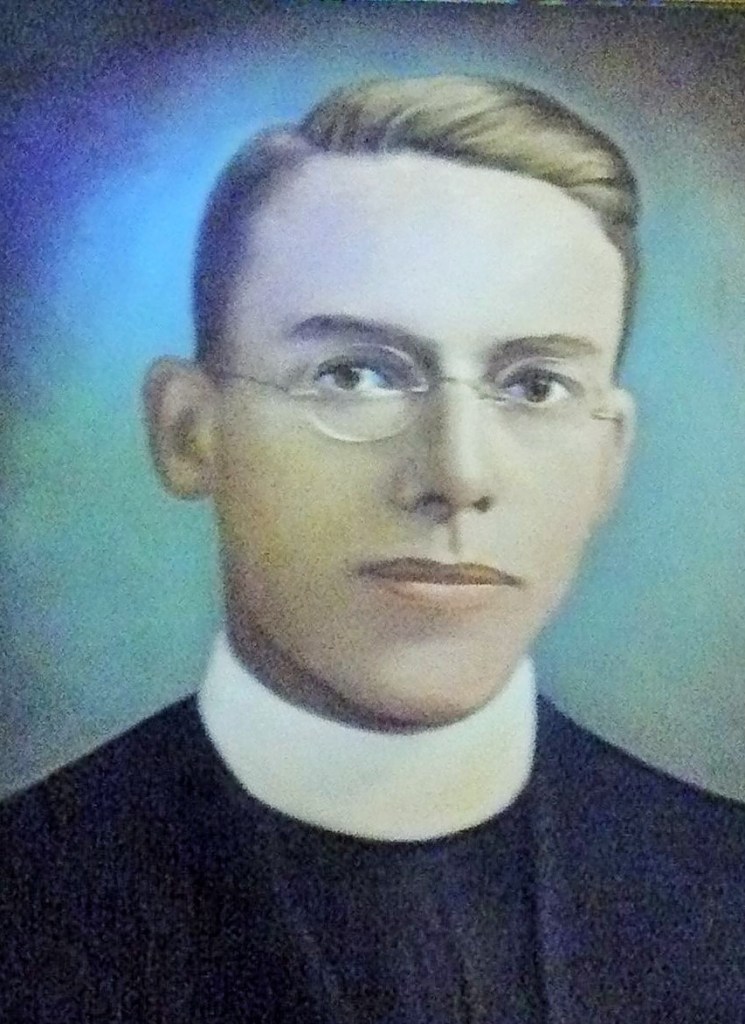
3. 1929-1936. Rev. Edward L. Gatens. Father Gatens is a bit of a puzzle. He came to SFDS from Pottsville, where he defiantly built a Catholic High School with a cross-shaped window atop a hill that had been used for cross burnings by the anti-Catholic Ku Klux Klan. Arriving at SFDS, he became pastor just as the Great Depression began, and struggled to minister to the many in need among his flock. He resigned, went on medical leave in 1936, and died in 1955.

4. 1936-1951 Bishop Hugh L. Lamb. Bishop Lamb was the second of three bishops to serve as pastors at SFDS. He is remembered for radio broadcasts, expanding parish activities, paying off the parish debt, and overseeing the 1940 Parish Jubilee. In 1951, he was appointed first Bishop of Greensburg, in Western PA, where he passed away in 1959.
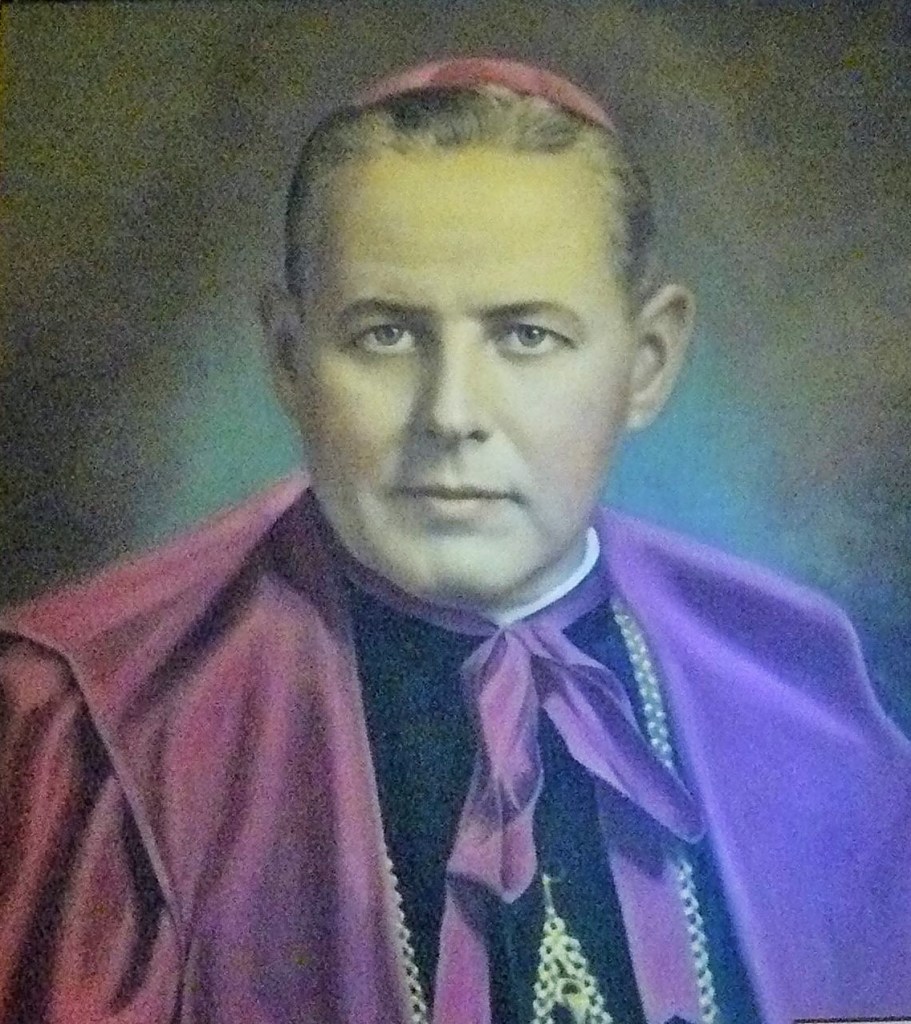
5. 1952-1961 Bishop Joseph Mark McShea. Bishop McShea was a son of the parish: in his youth, his family lived, for a time, on Farragut Terrace, right behind the school, and he served as an altar boy for Bishop Crane. His family home was one of those torn down to make room for the 1926 addition to the school. During his tenure he refurbished the Lower church and re-tiled the Guastavino domes in an unsuccessful attempt to stop leaks. In 1955, he established St. Lucy’s School for the Blind in a house on Farragut Terrace to fill an archdiocesan need (since moved to NE Philadelphia). The SFDS Boys Choir – established in 1911 – expanded and became prominent during Bishop McShea’s era. When he was appointed first bishop of the new Allentown diocese, in 1961, he took the choirmaster with him to start a new choir school there. He died in 1991.
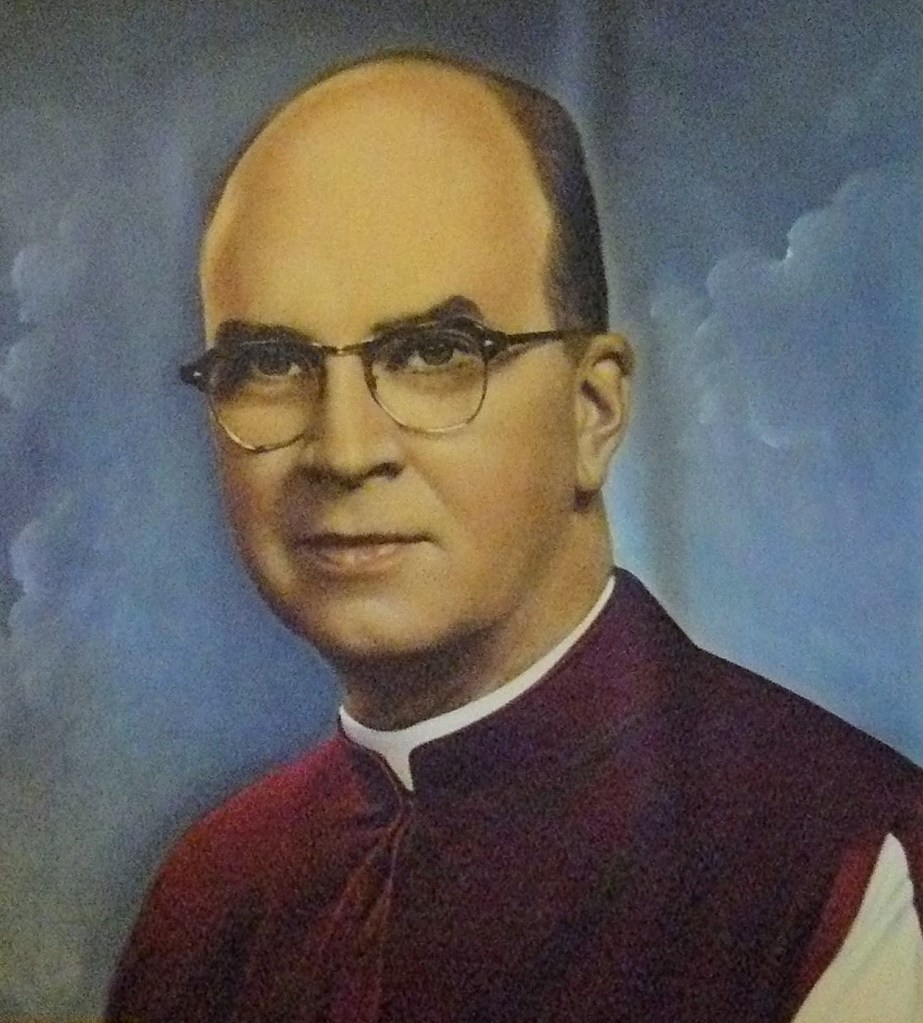
6. 1961-1967. Monsignor John J. Sefton. Monsignor Sefton assisted at de Sales from 1945 to 1957 before returning as pastor 1961 to 1967. He left his mark on the church for its 1965 Diamond Jubilee, by replacing the original quartered oak pews with the present ones, changing the lighting, and covering the walls with blue tiles, reportedly to achieve a “Mediterranean” vibe. In 1966, Monsignor Sefton began to set up Star Harbor Senior Center – “the first community of its kind in the archdiocese, a recreational center for citizens regardless of race or creed” — which opened soon after he left. Parishioners were moving to the suburbs at this time and the parish shrunk from 4,233 families in 1953 to 1,232 by 1973. Monsignor Sefton moved on to St. Charles Church in Oakview and died in 1980.

7. 1967-1976 Monsignor John T. Mitchell (Pastor Emeritus from 1973-1976). Monsignor Mitchell was known in the archdiocese for his civil rights activism and his dedication to the black community. He founded St. Ignatius Nursing Home while he was pastor of St. Ignatius Parish (43rd and Wallace). At SFDS, Monsignor Mitchell was pastor during the divisive period of the Venturi “Neon Halo” renovation, when an ultramodern Plexiglas front-facing altar was installed in the sanctuary for the New Mass of Vatican II. The SFDS Boy Choir also came to an end during this period, as musical styles changed. Monsignor Mitchell’s health deteriorated as he tried to focus on social ministry. He died in 1981 at age 67.
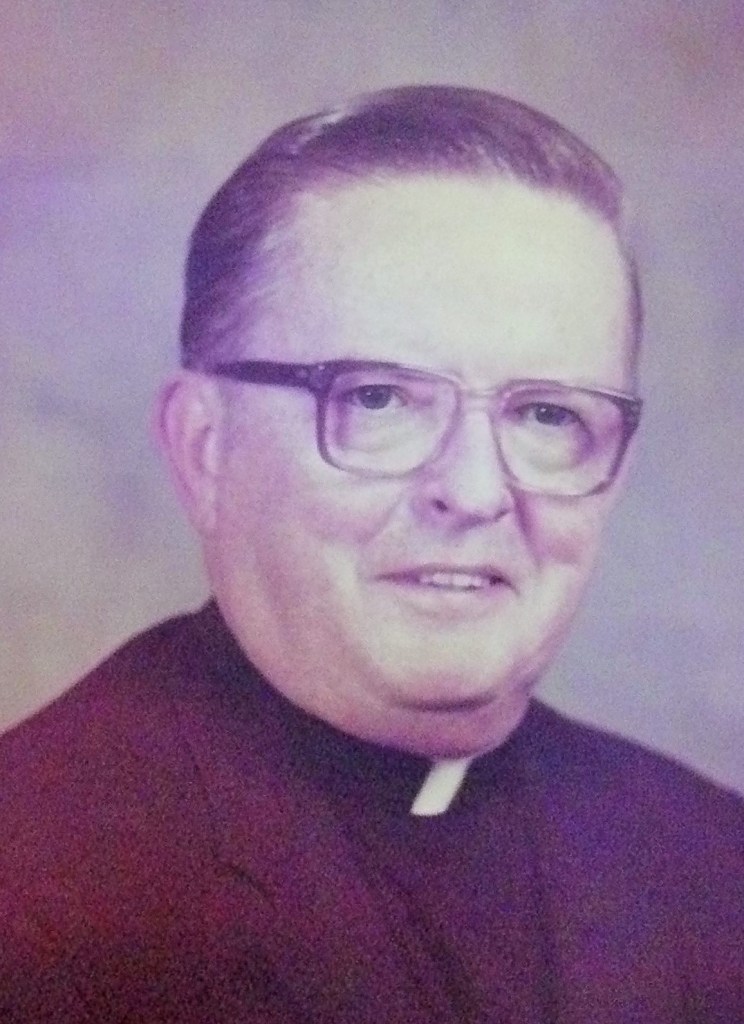
8. 1976-1977 Monsignor Francis J. Fitzmaurice (Parish Administrator from 1973-1976). Monsignor Fitzmaurice, who had been assisting at the parish since 1961, officially took over key administrative duties in 1973 when Monsignor Mitchell’s decline accelerated after a traumatic home invasion and robbery at the rectory. With the end of the Vietnam War, the parish began ministering to incoming refugees. Monsignor Fitzmaurice officially became Pastor for one year in 1976 – just in time for the “glorious” Eucharistic Congress in Philadelphia — before being transferred to St. Lawrence, Highland Park/Upper Darby in 1977. He died in 2004.

9. 1977-1989 Monsignor Thomas J. Hilferty. Monsignor Hilferty, who was at SFDS for twelve years, was the parish’s last long-term pastor. This was actually his first parish assignment: prior to arriving here, he had spent twenty years as a travelling Navy chaplain in the Vietnam war. During the time that he was at SFDS, the Lower Church was the archdiocesan “Mother Church” for the Vietnamese Community, with Reverend Anthony Vu Nhu Huynh as chaplain. In 1980, Philadelphia Magazine reported that “Over the last five years this parish has become one of the most successful centers for Indo-Chinese refugee resettlement in the area.” Meanwhile, a new classical choir of men and women gradually evolved in the parish under the direction of organist Bruce Schulz (who had arrived at SFDS in 1969) and choirmaster Father Hermann Behrens, a visiting German academic . Monsignor Hilferty left to become the regional Vicar of Philadelphia-South, and died in 2008.
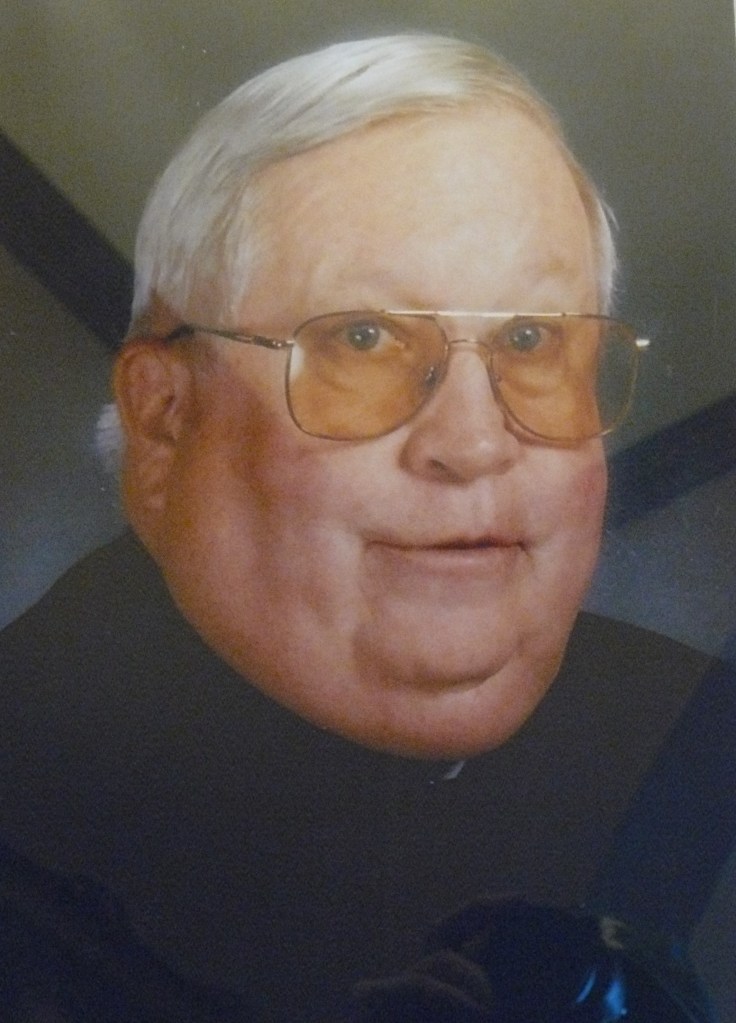
10. 1989-1994 Rev. John J. Kilgallon. Preoccupied with the state of “this wounded and broken world,” Father Kilgallon was pastor during the lean years of the early 1990s. At that time, SFDS and MBS were both part of a “musical chairs” cluster of parishes, under study by the archdiocese as it made plans to streamline its operations. A chapter of the Knights of Peter Claver began at SFDS in 1990. The IHM Sisters also opened their Literacy Center that year, teaching English as a Second Language (ESL) classes to adult immigrant learners (moved to NE Philadelphia in 2022). He died December 26, 2024.
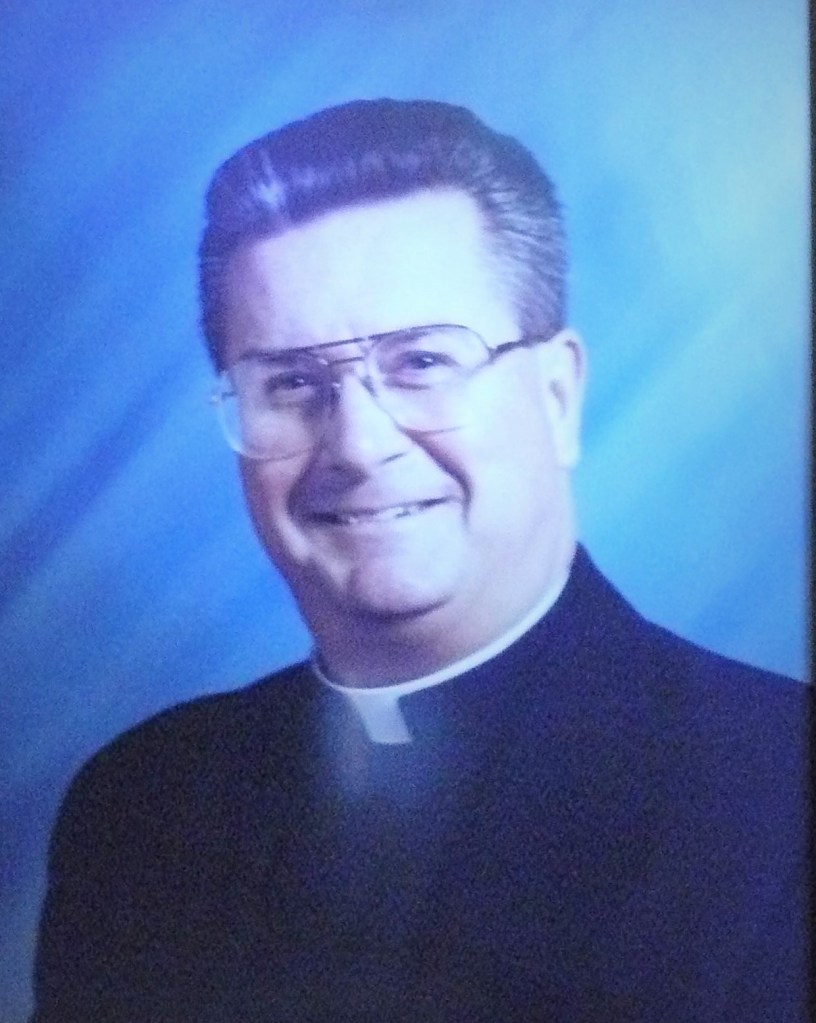
11. 1994-1999. Rev. Anthony W. Janton. With the parish Short of funds while archdiocesan conversations continued about its future, Father Tony tried to restore the church in simple ways – painting and stuccoing over the peeling “blue bathroom tiles” from the 1965 church renovation; finding a home in Allentown for the statue of St. Francis de Sales, which had been sitting in the parking lot, behind the dumpster, for several years since it had been removed from the church façade for safety reasons; and removing pews to create the cross-aisle linking the two side doors. The confessionals on the parking lot side of the church were turned into shrines during his tenure. Choirmaster Father Hermann Behrens died suddenly of heart failure in 1996, in a great shock to the parish, and Isabel Boston became his successor. The Assumption Religious moved from 49th Street to 1001 South 47th street across from SFDS in 1999.
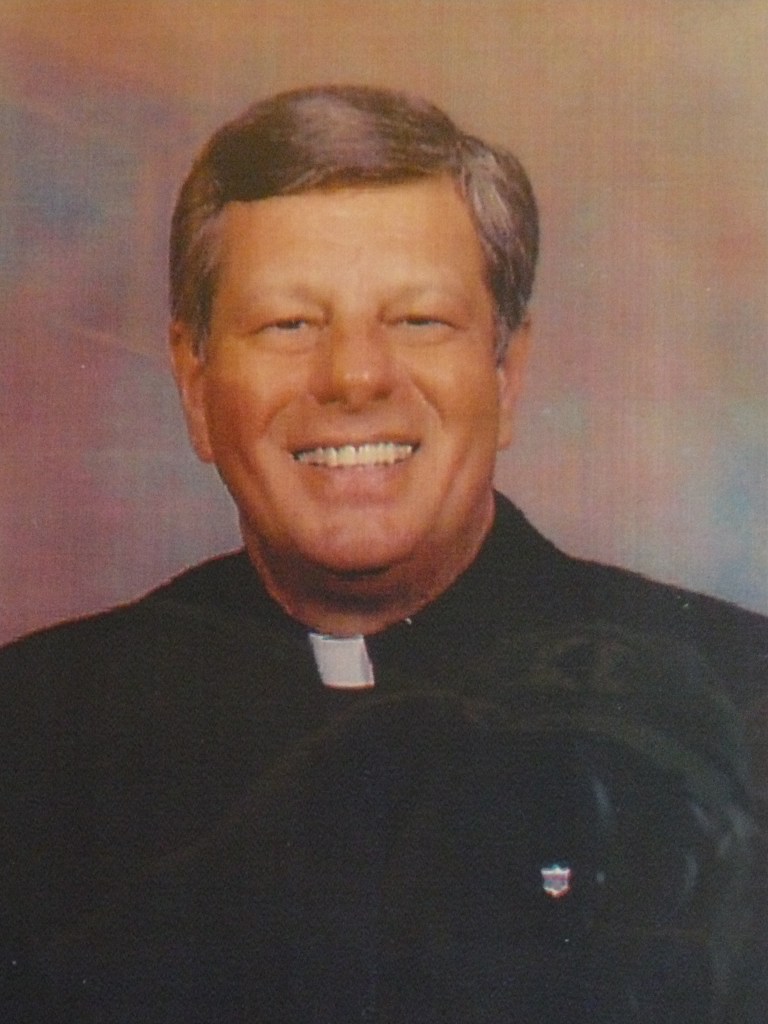
12. 1999-2004 Rev. Roland D. Slobogin (and 8th pastor of MBS 1996-2004). Father Roland became the Eighth Pastor of Most Blessed Sacrament Parish in 1996 and, then, also, the Twelfth Pastor of SFDS, when the two parishes were “twinned” to share a pastor in 1999. He celebrated the MBS Centennial in 2001 and closing ceremonies for MBS school in 2002. When he moved to SFDS rectory, Father Roland brought the first parish dog to live there since Reverend Crane’s Missy back in the 1920s. The annual Blessing of the Animals, near the feast of St. Francis of Assisi, began during his tenure, and originally took place inside the church. The Parish established a relationship with Partners for Sacred Places during this time and began the long, agonizingly slow, planning for church restoration.
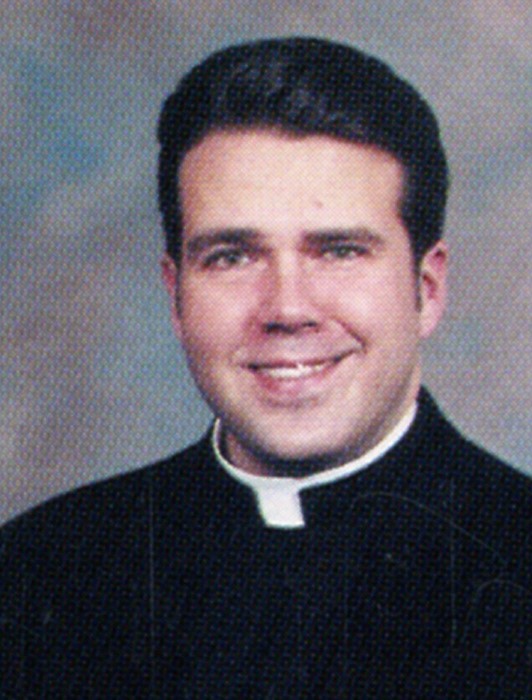
13. 2004-2009 Rev. Zachary W. Navit. Father Navit was the 9th Pastor of MBS until its closing in 2007; the thirteenth pastor of SFDS; and the First Pastor of the combined parish of St. Francis de Sales United by the Most Blessed Sacrament. Father Navit enjoyed elaborate ceremony and was known for his lavish use of incense. The rectory garden was re-landscaped and the building restoration plan progressed slowly during his tenure as he looked for ways within the parish to fund needed repairs. Scaffolding was installed in the sanctuary and on the outside of the church during this time, due to falling masonry.
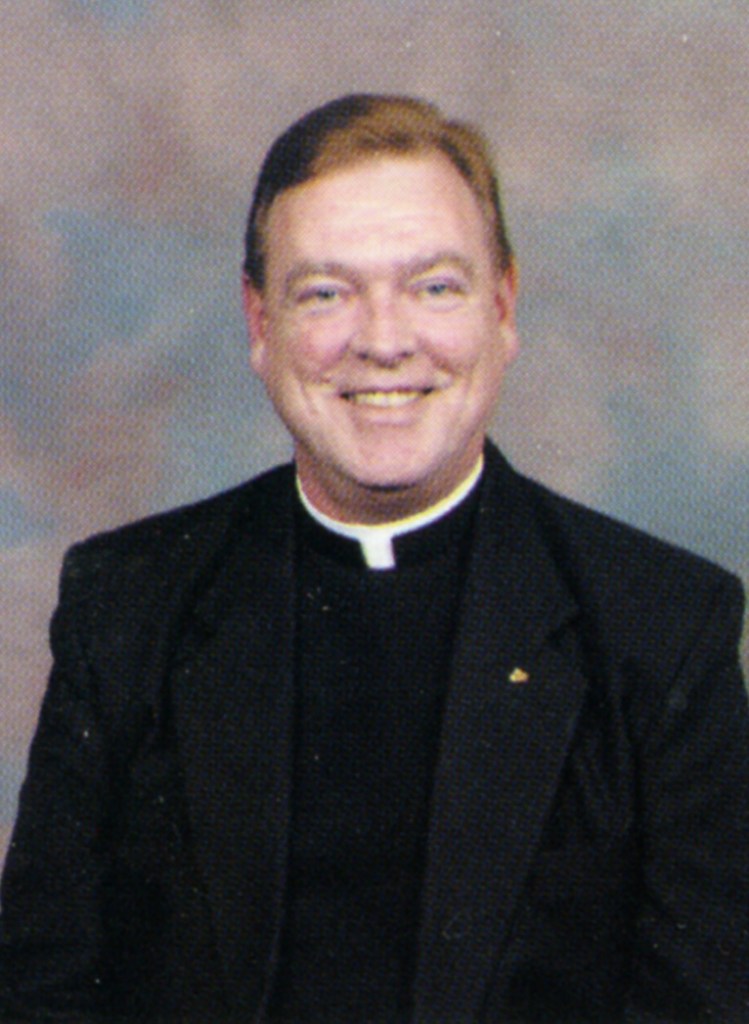
14. 2009-2011 Rev. Louis C. Bier. Father Bier was the second pastor of the combined parish of SFDS/MBS. During his brief tenure, he instituted outdoor Stations of the Cross around the neighbourhood on Good Friday and provided a birthday cake with sparklers for Baby Jesus at the Children’s Christmas Mass. His down-to-earth personal style offered a contrast to the embellishments of the traditional choir.
(2011 Monsignor Francis Beach Administrator Pro-Tem) Father Beach served for just one summer between pastors, and remembered dealing with catastrophic roof leaks in the Guastavino Dome.
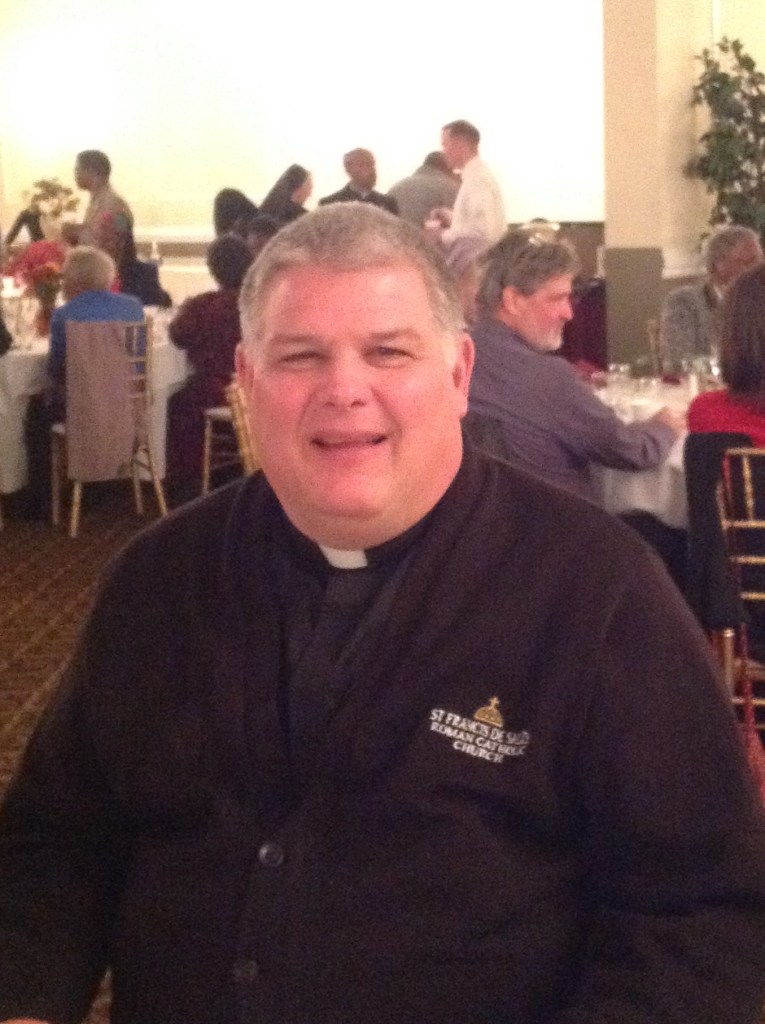
15. 2011- 2016 Rev. John D. Hand. Father Hand was the pastor for the 125th Anniversary of SFDS. During his tenure, he was tasked with selling the Most Blessed Sacrament property. This enabled him to move SFDS building restoration forward, so the scaffolding in the sanctuary could be removed in 2013, after seven years. A Hispanic community moved from Divine Mercy Parish in 2013, adding a Spanish Mass to the Parish schedule in addition to the longstanding Vietnamese Mass.

16. 2016 – 2019 Monsignor Joseph Anderlonis. Monsignor Joe came to SFDS from St. George Parish, where he had served since 1982. Noticing how SFDS had suffered, due to the “revolving door” of short-term pastors in recent years, each pulling the parish in a different direction, he promised that he would never voluntarily leave – often declaring to his flock that “they’ll have to carry me out feet first.” Which, sadly, happened, when he passed away on December 6, 2019, just shy of his 50th anniversary as a priest. The Vietnamese community moved to Divine Mercy Parish in 2018.
(2020 Rev. Matt Guckin Pastor pro-tem). Father Matt arrived in February, and the church closed to the public indefinitely for Covid quarantine in March. He said prayers on Facebook; recorded Masses in the church, with a small crew of helpers, for later viewing by other parishioners online; and generally kept the parish afloat during the crisis.
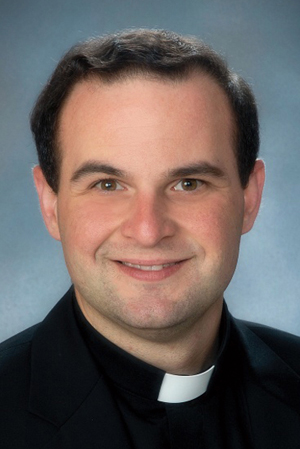
17. 2020 – 2024 Rev. Eric Banecker. SFDS was Father Eric’s first assignment as pastor. He was Administrator for a year, before being installed on the 100th anniversary of Bishop Crane’s consecration as Bishop. During his tenure, he had the scaffolding finally removed from the facade of the church after seventeen years. His Golf Classic aided funding of building repairs, which made significant progress. Working tirelessly to reshape parish organization, his goal was to transform the parish into a hub for young families and young adults of the archdiocese. We wish him well as he moves on to St. Mary Magdalene Parish in Media.
2024 Rev. Ryan Nguyen. Father Ryan, who will be joining us soon, has several odd intersections with our combined parish story. When he came to this country from Vietnam as a child in 1993, Father Ryan’s family attended St. Thomas Aquinas Parish in South Philadelphia – the parish that supplied the original chapel building for MBS when it was founded back in 1901! He later attended the University of the Sciences in our neighbourhood, where various parishioners have taught, worked, or studied. After ordination, in 2022, he was assigned to St. Bede’s Parish in Holland, PA – which had been redecorated with many of the original interior fittings of MBS, after MBS merged with SFDS in 2007. Since the Philadelphia Vietnamese community were part of SFDS for over 43 of our 134 years, it feels providential to restore that cultural connection. We welcome Father Ryan to SFDS and look forward to the notes that he will add to the symphony of our rich parish history.


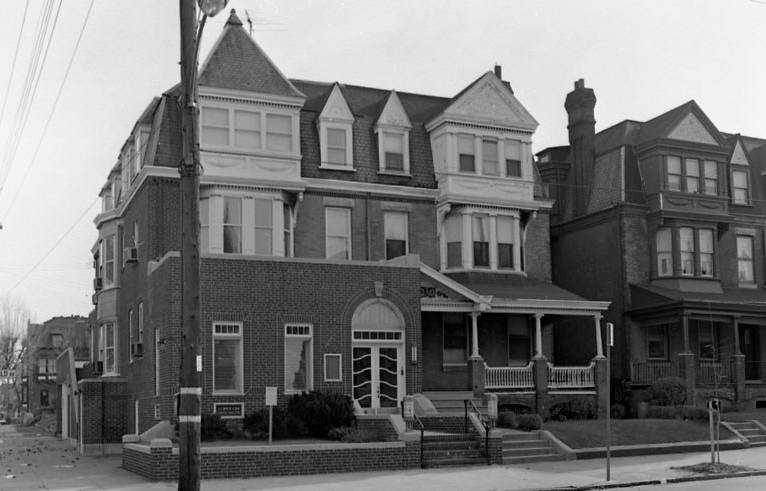
 Monsignor Sefton purchased the former J.J. White Funeral Home on the corner of 47th and Springfield in 1966 and the Parish Centennial book notes that “many volunteers pitched in to clean, paint, repair, and decorate the former funeral home and make it an attractive place to meet.” Initial offerings – chosen by the community — included Arts and Crafts and Painting classes, as well as a discussion group, trips, and a “TV Lounge.”


