Tag: Monsignor Joseph J. Anderlonis

 A Field Guide to SFDS Pastors

Bird watchers like to keep a “life list” of all the different birds they’ve seen and identified. It’s a competitive activity – a long list of exotics gives bragging rights – but it also, incidentally, provides clues to the compiler’s own story and where they’ve been at different times through the years.

SFDS parish has a similar lengthy “life list” of pastors – including several bishops — that offers snapshots of the parish through its 134-year history. Perhaps it’s time to review that exhausting compilation as Father Eric moves on and Father Ryan Nguyen becomes Parochial Administrator – on the way to becoming Pastor Number Eighteen!

Here’s a quick timelapse of parish history, as told in the sequence of its pastors:
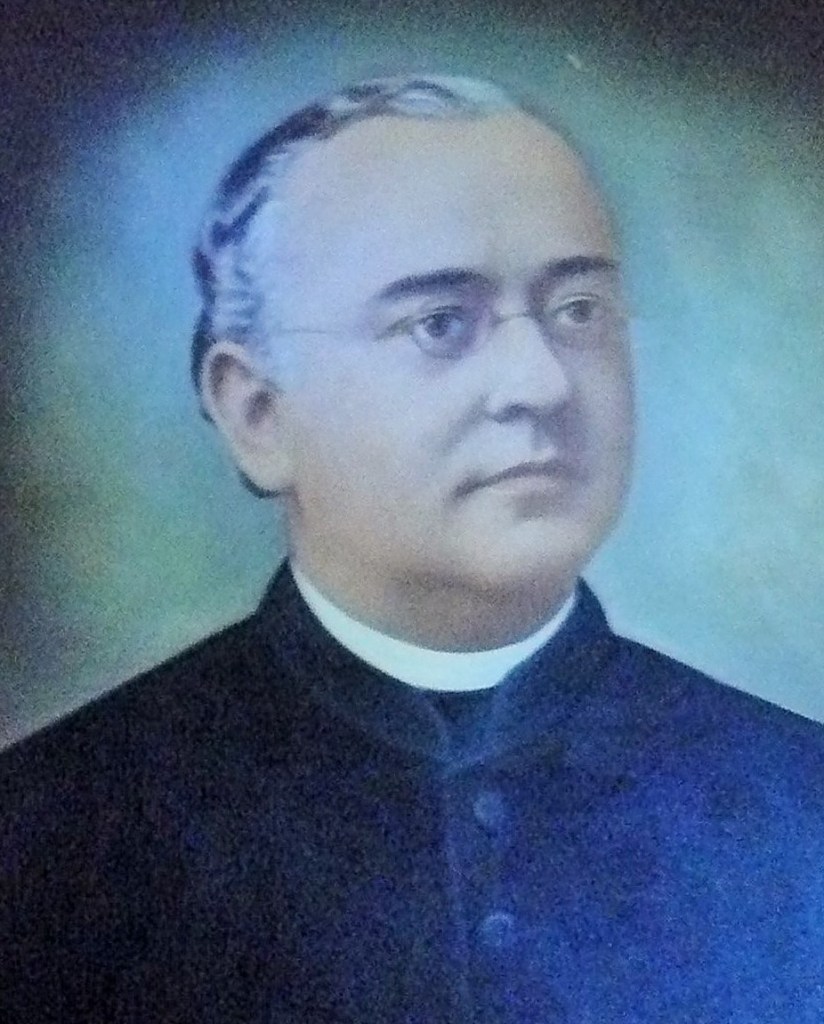
1. 1890-1903  Rev. Joseph O’Neill. Founding pastor of St. Francis de Sales. He chose the name of the church in 1890 – probably to honour his brother Rev. Francis O’Neill, who had started to build St. James Church (38th and Chestnut. Today St. Agatha St. James) and died suddenly in 1882 . Father Joseph O’Neill picked the location and began construction of the first SFDS parish building a combination chapel/school building (today’s school hall) in 1891, and the rectory in 1893. In 1898 he was involved as a defense witness in a notorious local murder trial. He died of heart failure at SFDS in 1903.

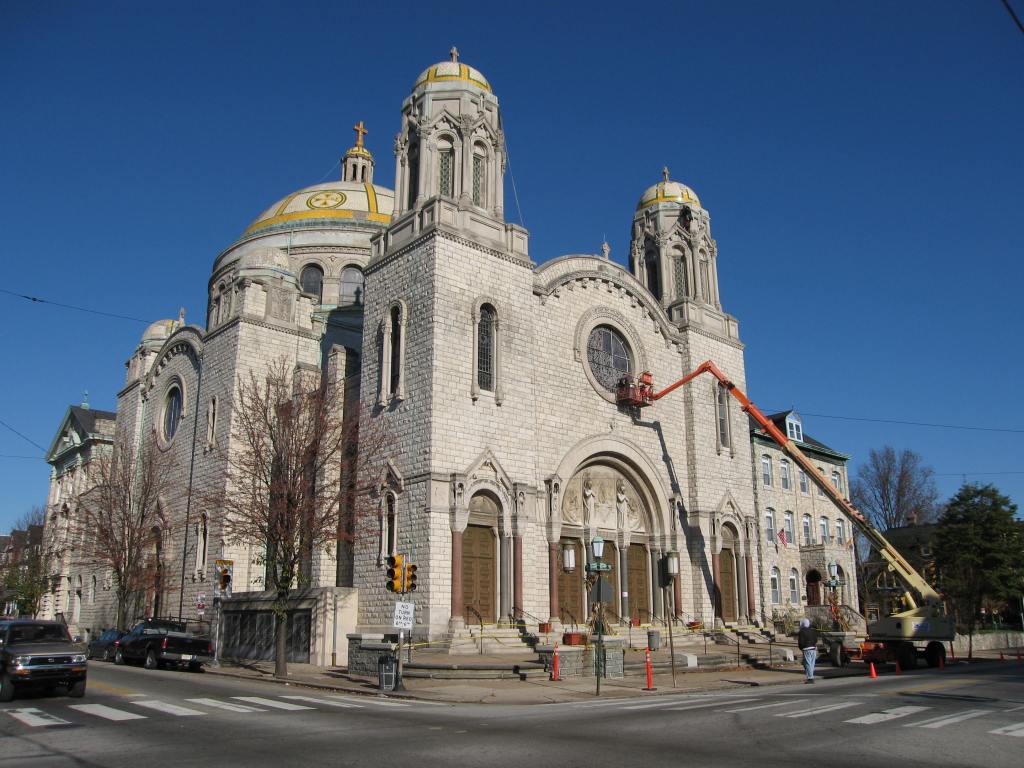
2. 1903-1928 Bishop Michael J. Crane. Reverend Crane opened the school in 1904 and built SFDS church between 1907 and 1911. In 1921, he became Assistant Bishop to Cardinal Dougherty. Bishop Crane was diabetic, so Cardinal Dougherty pulled some strings to get him into Dr. Frederick Banting’s historically successful hospital trial of insulin in Toronto in 1922. Bishop Crane later built the convent and the addition to the school in 1926. He died at SFDS on December 26, 1928, and is buried on the Rectory lawn.
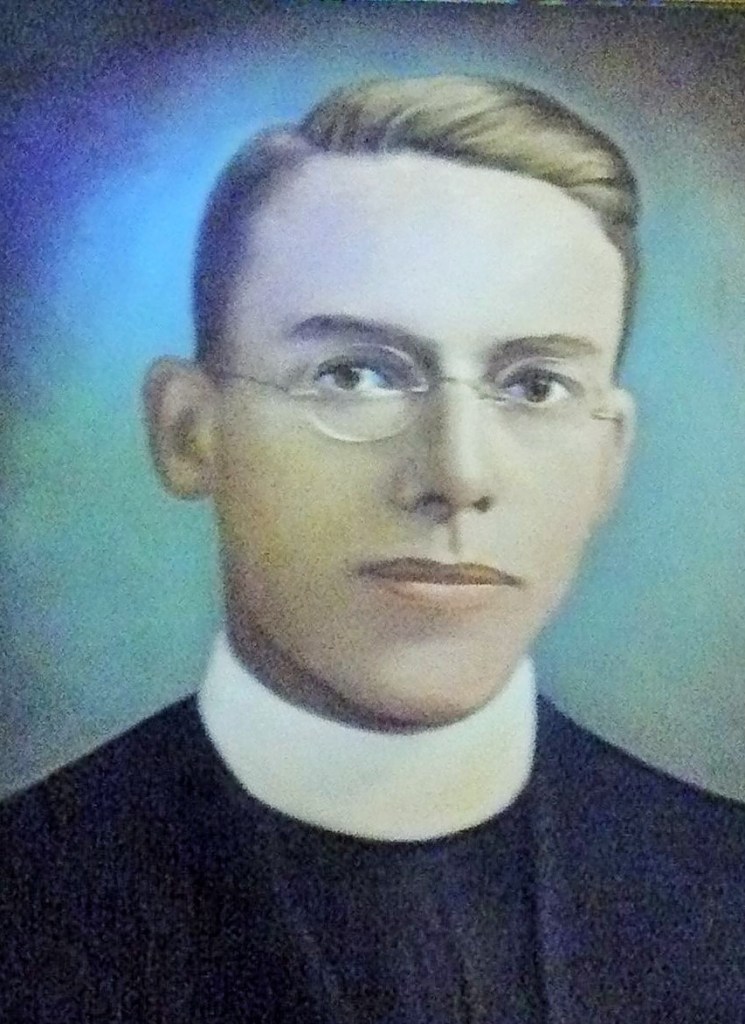
3. 1929-1936.  Rev. Edward L. Gatens. Father Gatens is a bit of a puzzle. He came to SFDS from Pottsville, where he defiantly built a Catholic High School with a cross-shaped window atop a hill that had been used for cross burnings by the anti-Catholic Ku Klux Klan. Arriving at SFDS, he became pastor just as the Great Depression began, and struggled to minister to the many in need among his flock. He resigned, went on medical leave in 1936, and died in 1955.

4. 1936-1951 Bishop Hugh L. Lamb. Bishop Lamb was the second of three bishops to serve as pastors at SFDS. He is remembered for radio broadcasts, expanding parish activities, paying off the parish debt, and overseeing the 1940 Parish Jubilee. In 1951, he was appointed first Bishop of Greensburg, in Western PA, where he passed away in 1959.
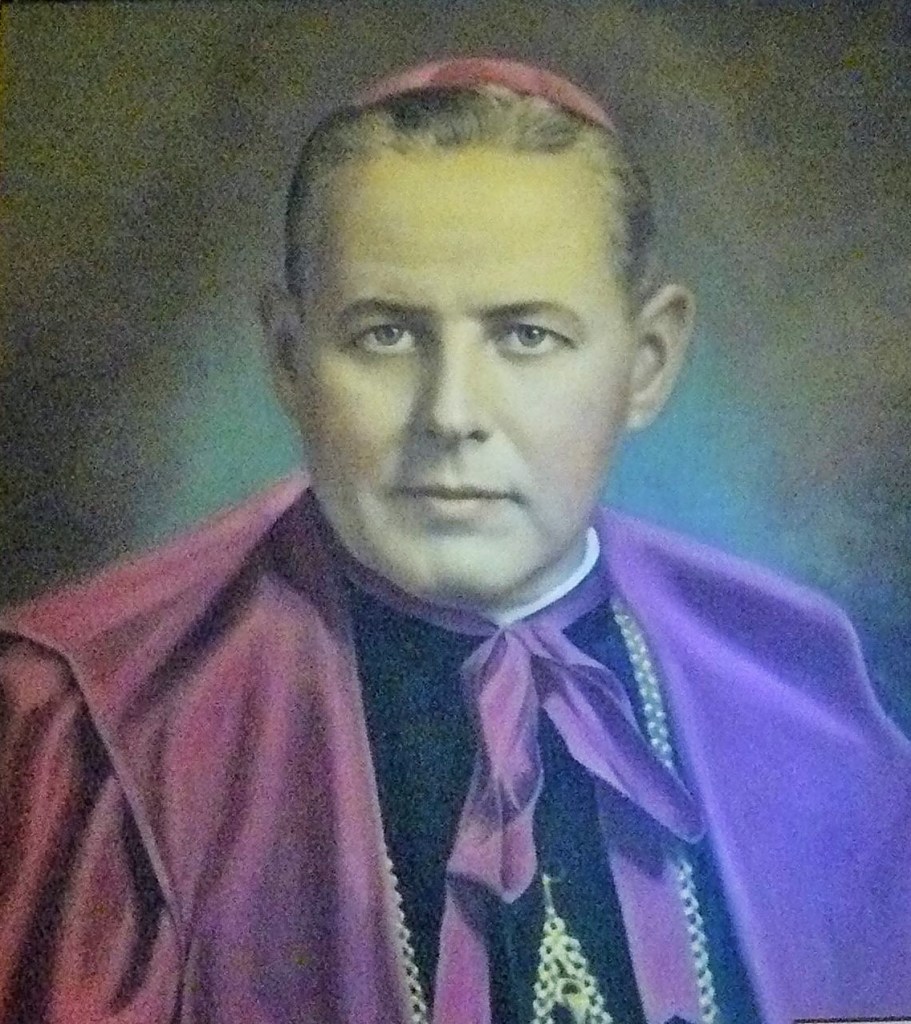
5. 1952-1961 Bishop Joseph Mark McShea. Bishop McShea was a son of the parish: in his youth, his family lived, for a time, on Farragut Terrace, right behind the school, and he served as an altar boy for Bishop Crane. His family home was one of those torn down to make room for the 1926 addition to the school. During his tenure he refurbished the Lower church and re-tiled the Guastavino domes in an unsuccessful attempt to stop leaks. In 1955, he established St. Lucy’s School for the Blind in a house on Farragut Terrace to fill an archdiocesan need (since moved to NE Philadelphia). The SFDS Boys Choir – established in 1911 – expanded and became prominent during Bishop McShea’s era. When he was appointed first bishop of the new Allentown diocese, in 1961, he took the choirmaster with him to start a new choir school there. He died in 1991.
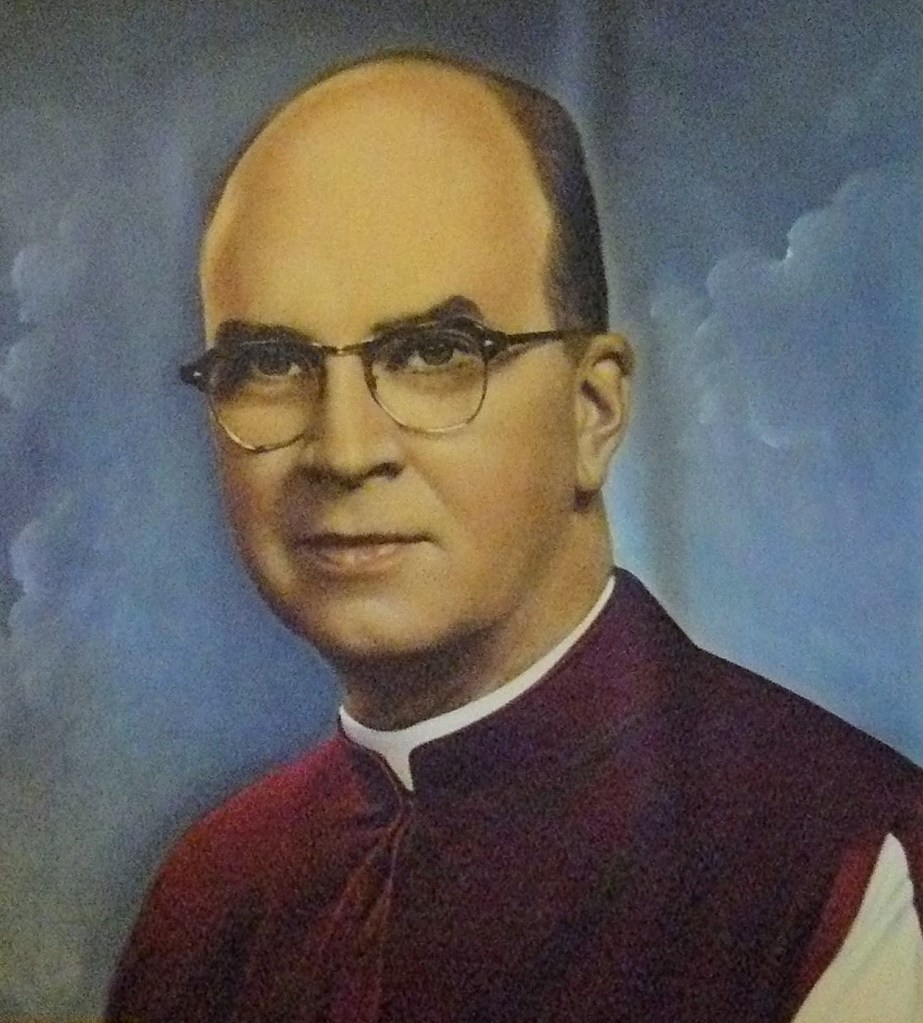
6. 1961-1967.  Monsignor John J. Sefton. Monsignor Sefton assisted at de Sales from 1945 to 1957 before returning as pastor 1961 to 1967. He left his mark on the church for its 1965 Diamond Jubilee, by replacing the original quartered oak pews with the present ones, changing the lighting, and covering the walls with blue tiles, reportedly to achieve a “Mediterranean” vibe. In 1966, Monsignor Sefton began to set up Star Harbor Senior Center – “the first community of its kind in the archdiocese, a recreational center for citizens regardless of race or creed” — which opened soon after he left. Parishioners were moving to the suburbs at this time and the parish shrunk from 4,233 families in 1953 to 1,232 by 1973. Monsignor Sefton moved on to St. Charles Church in Oakview and died in 1980.

7. 1967-1976  Monsignor John T. Mitchell (Pastor Emeritus from 1973-1976). Monsignor Mitchell was known in the archdiocese for his civil rights activism and his dedication to the black community. He founded St. Ignatius Nursing Home while he was pastor of St. Ignatius Parish (43rd and Wallace). At SFDS, Monsignor Mitchell was pastor during the divisive period of the Venturi “Neon Halo” renovation, when an ultramodern Plexiglas front-facing altar was installed in the sanctuary for the New Mass of Vatican II. The SFDS Boy Choir also came to an end during this period, as musical styles changed. Monsignor Mitchell’s health deteriorated as he tried to focus on social ministry. He died in 1981 at age 67.
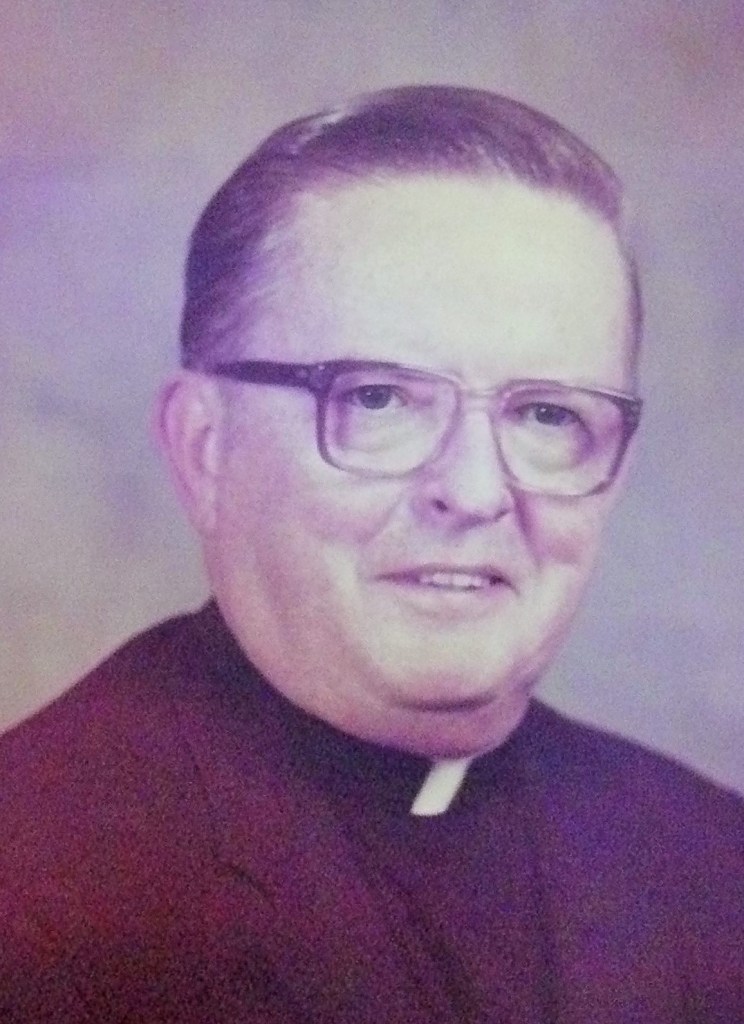
8. 1976-1977  Monsignor Francis J. Fitzmaurice (Parish Administrator from 1973-1976). Monsignor Fitzmaurice, who had been assisting at the parish since 1961, officially took over key administrative duties in 1973 when Monsignor Mitchell’s decline accelerated after a traumatic home invasion and robbery at the rectory. With the end of the Vietnam War, the parish began ministering to incoming refugees. Monsignor Fitzmaurice officially became Pastor for one year in 1976 – just in time for the “glorious” Eucharistic Congress in Philadelphia — before being transferred to St. Lawrence, Highland Park/Upper Darby in 1977. He died in 2004.

9. 1977-1989  Monsignor Thomas J. Hilferty. Monsignor Hilferty, who was at SFDS for twelve years, was the parish’s last long-term pastor. This was actually his first parish assignment: prior to arriving here, he had spent twenty years as a travelling Navy chaplain in the Vietnam war. During the time that he was at SFDS, the Lower Church was the archdiocesan “Mother Church” for the Vietnamese Community, with Reverend Anthony Vu Nhu Huynh as chaplain. In 1980, Philadelphia Magazine reported that “Over the last five years this parish has become one of the most successful centers for Indo-Chinese refugee resettlement in the area.” Meanwhile, a new classical choir of men and women gradually evolved in the parish under the direction of organist Bruce Schulz (who had arrived at SFDS in 1969) and choirmaster Father Hermann Behrens, a visiting German academic . Monsignor Hilferty left to become the regional Vicar of Philadelphia-South, and died in 2008.
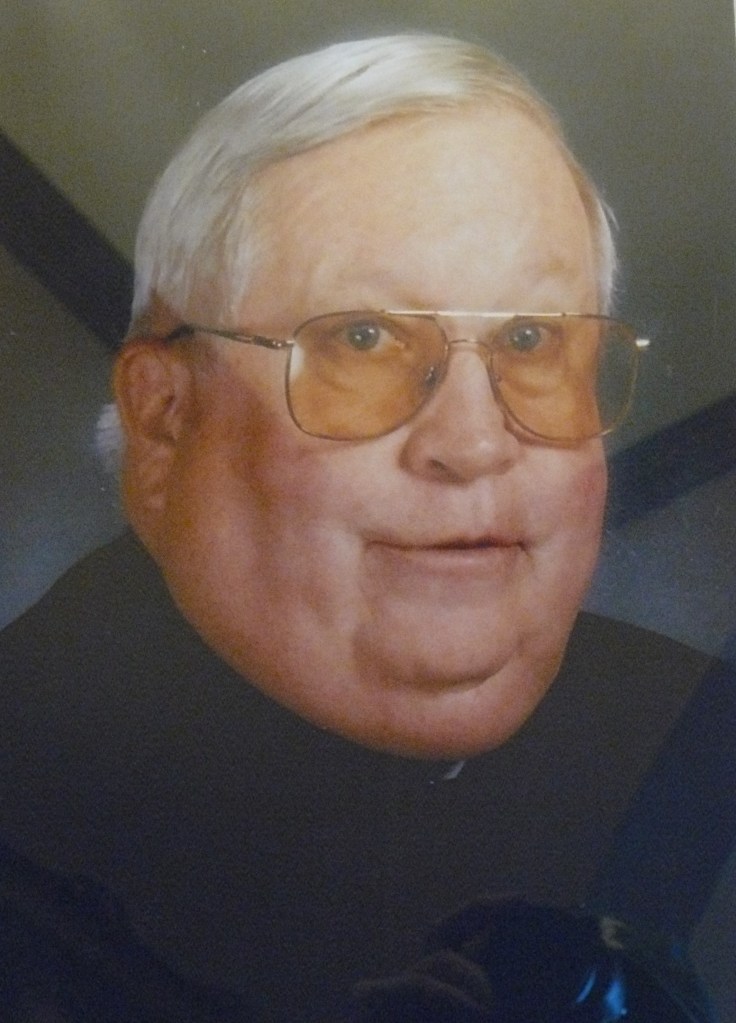
10. 1989-1994  Rev. John J. Kilgallon. Preoccupied with the state of “this wounded and broken world,” Father Kilgallon was pastor during the lean years of the early 1990s. At that time, SFDS and MBS were both part of a “musical chairs” cluster of parishes, under study by the archdiocese as it made plans to streamline its operations. A chapter of the Knights of Peter Claver began at SFDS in 1990. The IHM Sisters also opened their Literacy Center that year, teaching English as a Second Language (ESL) classes to adult immigrant learners (moved to NE Philadelphia in 2022). He died December 26, 2024.
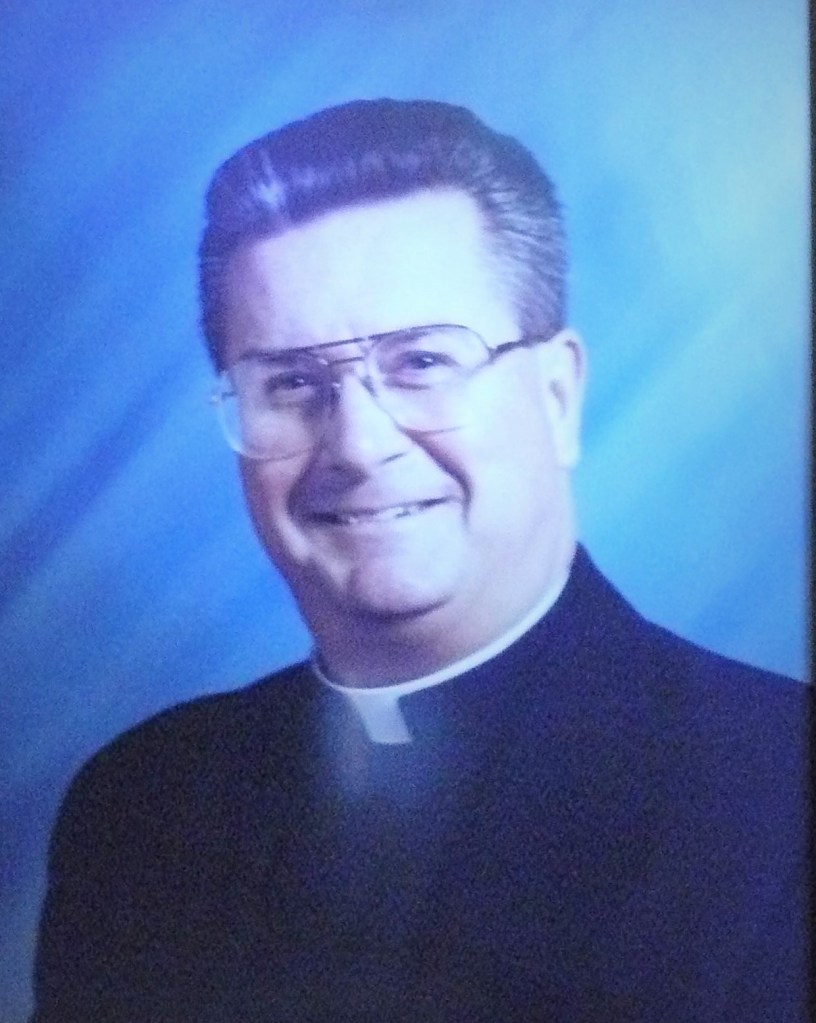
11. 1994-1999.  Rev. Anthony W. Janton. With the parish Short of funds while archdiocesan conversations continued about its future, Father Tony tried to restore the church in simple ways – painting and stuccoing over the peeling “blue bathroom tiles” from the 1965 church renovation; finding a home in Allentown for the statue of St. Francis de Sales, which had been sitting in the parking lot, behind the dumpster, for several years since it had been removed from the church façade for safety reasons; and removing pews to create the cross-aisle linking the two side doors. The confessionals on the parking lot side of the church were turned into shrines during his tenure. Choirmaster Father Hermann Behrens died suddenly of heart failure in 1996, in a great shock to the parish, and Isabel Boston became his successor. The Assumption Religious moved from 49th Street to 1001 South 47th street across from SFDS in 1999.
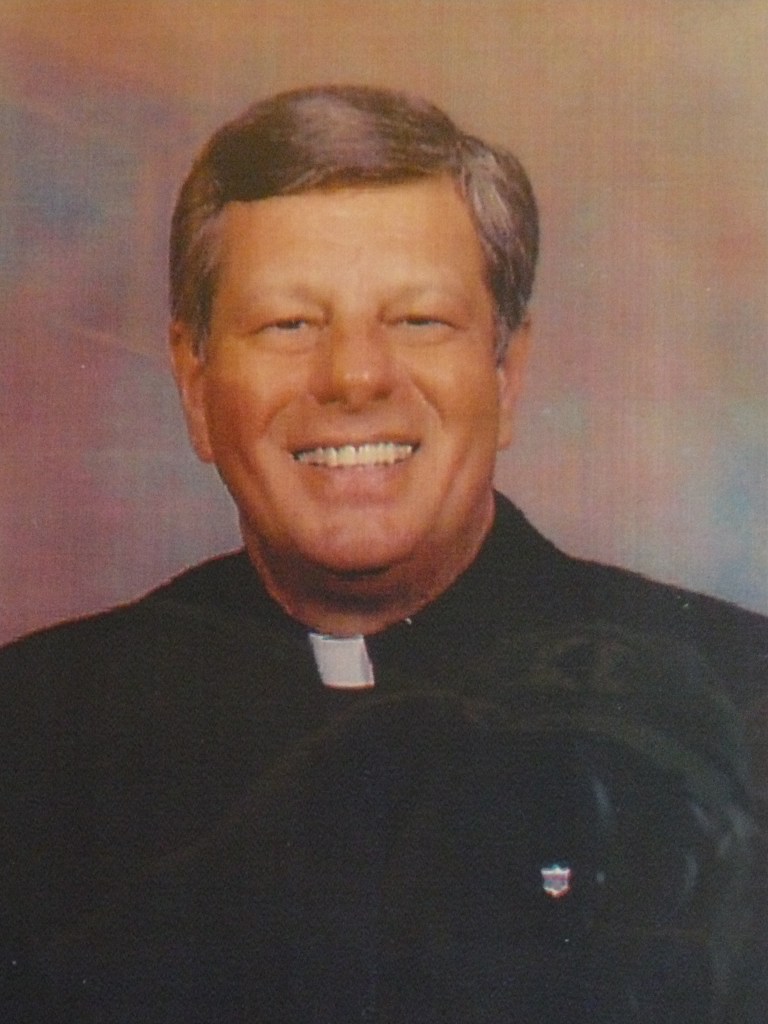
12. 1999-2004  Rev. Roland D. Slobogin (and 8th pastor of MBS 1996-2004). Father Roland became the Eighth Pastor of Most Blessed Sacrament Parish in 1996 and, then, also, the Twelfth Pastor of SFDS, when the two parishes were “twinned” to share a pastor in 1999. He celebrated the MBS Centennial in 2001 and closing ceremonies for MBS school in 2002. When he moved to SFDS rectory, Father Roland brought the first parish dog to live there since Reverend Crane’s Missy back in the 1920s. The annual Blessing of the Animals, near the feast of St. Francis of Assisi, began during his tenure, and originally took place inside the church. The Parish established a relationship with Partners for Sacred Places during this time and began the long, agonizingly slow, planning for church restoration.
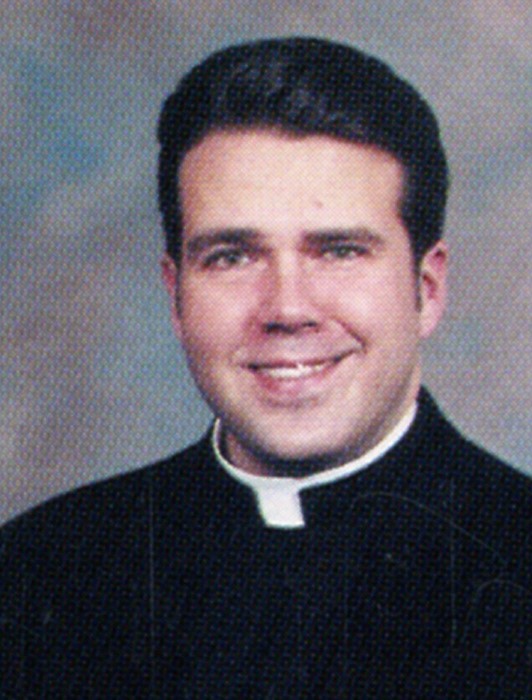
13. 2004-2009  Rev. Zachary W. Navit. Father Navit was the 9th Pastor of MBS until its closing in 2007; the thirteenth pastor of SFDS; and the First Pastor of the combined parish of St. Francis de Sales United by the Most Blessed Sacrament. Father Navit enjoyed elaborate ceremony and was known for his lavish use of incense. The rectory garden was re-landscaped and the building restoration plan progressed slowly during his tenure as he looked for ways within the parish to fund needed repairs. Scaffolding was installed in the sanctuary and on the outside of the church during this time, due to falling masonry.
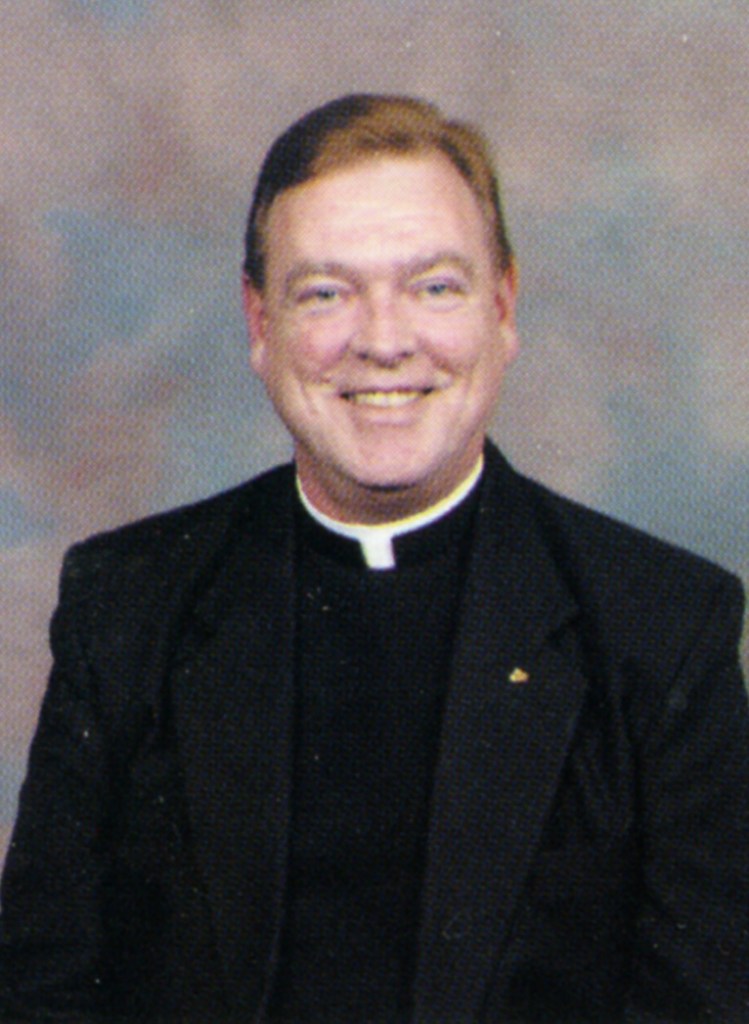
14. 2009-2011  Rev. Louis C. Bier. Father Bier was the second pastor of the combined parish of SFDS/MBS. During his brief tenure, he instituted outdoor Stations of the Cross around the neighbourhood on Good Friday and provided a birthday cake with sparklers for Baby Jesus at the Children’s Christmas Mass. His down-to-earth personal style offered a contrast to the embellishments of the traditional choir.

(2011   Monsignor Francis Beach Administrator Pro-Tem) Father Beach served for just one summer between pastors, and remembered dealing with catastrophic roof leaks in the Guastavino Dome.
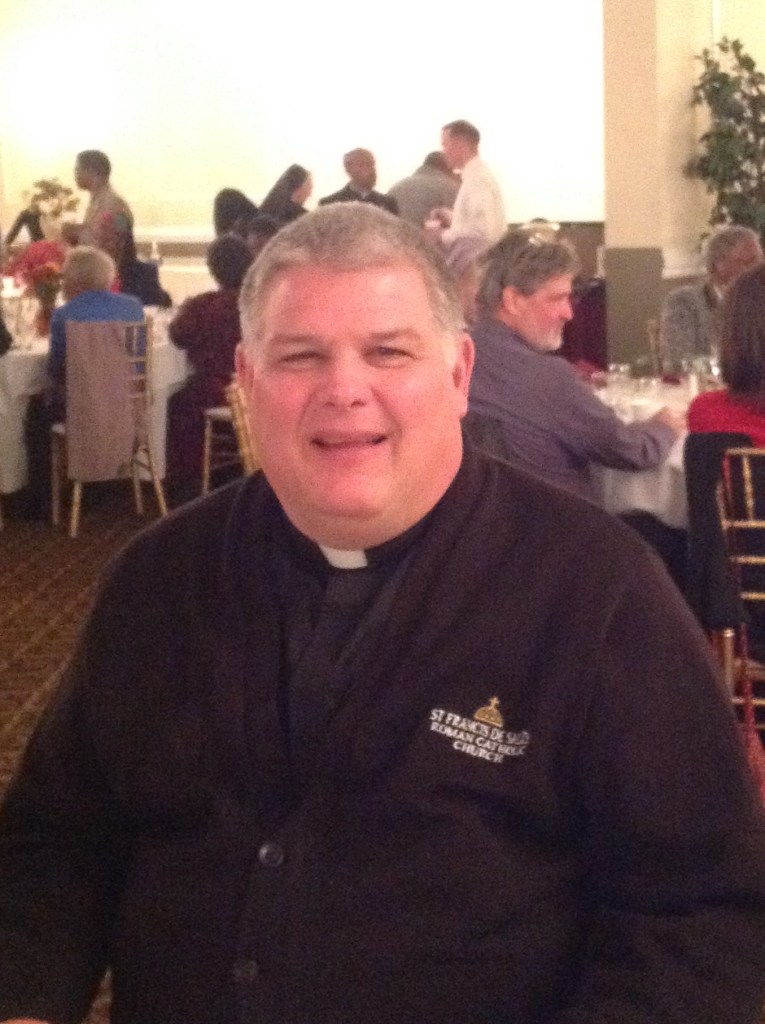
15. 2011- 2016 Rev. John D. Hand. Father Hand was the pastor for the 125th Anniversary of SFDS. During his tenure, he was tasked with selling the Most Blessed Sacrament property. This enabled him to move SFDS building restoration forward, so the scaffolding in the sanctuary could be removed in 2013, after seven years. A Hispanic community moved from Divine Mercy Parish in 2013, adding a Spanish Mass to the Parish schedule in addition to the longstanding Vietnamese Mass.

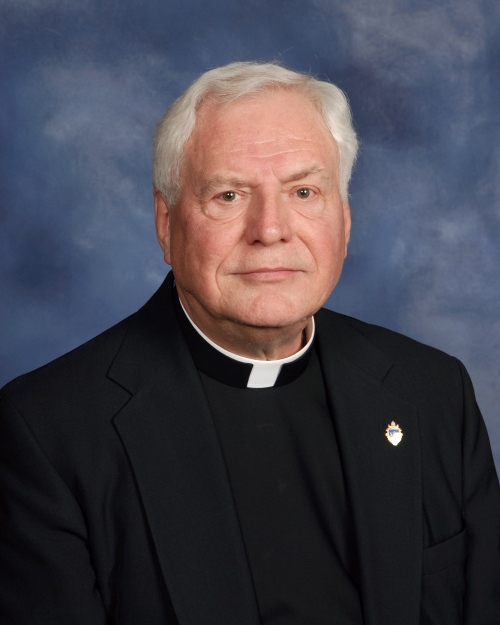
16. 2016 – 2019 Monsignor Joseph Anderlonis. Monsignor Joe came to SFDS from St. George Parish, where he had served since 1982. Noticing how SFDS had suffered, due to the “revolving door” of short-term pastors in recent years, each pulling the parish in a different direction, he promised that he would never voluntarily leave – often declaring to his flock that “they’ll have to carry me out feet first.” Which, sadly, happened, when he passed away on December 6, 2019, just shy of his 50th anniversary as a priest. The Vietnamese community moved to Divine Mercy Parish in 2018.

(2020 Rev. Matt Guckin Pastor pro-tem). Father Matt arrived in February, and the church closed to the public indefinitely for Covid quarantine in March. He said prayers on Facebook; recorded Masses in the church, with a small crew of helpers, for later viewing by other parishioners online; and generally kept the parish afloat during the crisis.
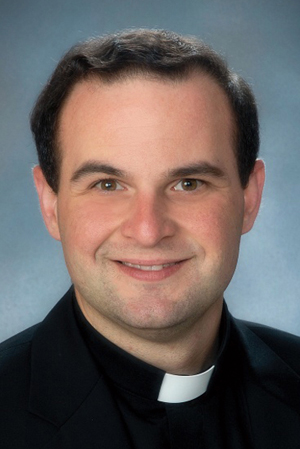
17. 2020 – 2024 Rev. Eric Banecker. SFDS was Father Eric’s first assignment as pastor. He was Administrator for a year, before being installed on the 100th anniversary of Bishop Crane’s consecration as Bishop. During his tenure, he had the scaffolding finally removed from the facade of the church after seventeen years. His Golf Classic aided funding of building repairs, which made significant progress. Working tirelessly to reshape parish organization, his goal was to transform the parish into a hub for young families and young adults of the archdiocese. We wish him well as he moves on to St. Mary Magdalene Parish in Media.

2024 Rev. Ryan Nguyen. Father Ryan, who will be joining us soon, has several odd intersections with our combined parish story. When he came to this country from Vietnam as a child in 1993, Father Ryan’s family attended St. Thomas Aquinas Parish in South Philadelphia – the parish that supplied the original chapel building for MBS when it was founded back in 1901! He later attended the University of the Sciences in our neighbourhood, where various parishioners have taught, worked, or studied. After ordination, in 2022, he was assigned to St. Bede’s Parish in Holland, PA – which had been redecorated with many of the original interior fittings of MBS, after MBS merged with SFDS in 2007. Since the Philadelphia Vietnamese community were part of SFDS for over 43 of our 134 years, it feels providential to restore that cultural connection. We welcome Father Ryan to SFDS and look forward to the notes that he will add to the symphony of our rich parish history.

Seasonal Anniversaries

The end of the year seems to be hard on priests! Ten of our seventeen pastors have died since our founding in 1890; and of those, seven have their anniversaries within the next few weeks. This year, oddly, many of the dates happen to fall on Sundays or holy days, which feels like a sign that we should take a few moments to reflect on their special contributions to our story.

Monsignor John T. Mitchell, our seventh pastor (1967-1976), died on November 25, 1981, so his anniversary falls on Thanksgiving Day this year. He came to de Sales from St. Saint Ignatius Parish, where he founded St. Ignatius Nursing Home and was known for his civil rights activism and efforts for the black community. At de Sales, focused on social ministry, he worked to hold the neighborhood together in a time of great societal changes. The controversial Venturi neon lights renovation happened during his tenure.

Sunday, November 28 commemorates Bishop Joseph Mark McShea, our fifth pastor (1952-1961; died 1991). Bishop McShea was the last of the three bishops to serve at SFDS. He grew up in the shadow of our dome: in his youth, he was altar server to Bishop Crane and his family home on Farragut Terrace was one of those knocked down to build the addition to the school. The lower church was refurbished by the Dagit firm during his tenure, and the dome was re-tiled in an unsuccessful attempt to stop leaks. He also established St. Lucy’s School for the Blind in the building that today houses the IHM Literacy Center. Bishop McShea went on to become the first Bishop of Allentown.

Reverend Monsignor Joseph J. Anderlonis S.T.D., our sixteenth pastor (2016-2019), saw the need for stability in the parish. He promised that he would never abandon us; he’d have to be “carried out feet first.” And so he was, on December 6, 2019 – the Feast of Saint Nicholas. Monsignor Joe was our Lithuanian connection, having spent much of his career at Saint George Parish. Learned and sociable, he encouraged book clubs and educational and social gatherings to help bring our diverse community together.

Bishop Hugh Lamb, our fourth pastor (1936-1951; died 1959) has his anniversary on Wednesday, December 8, Feast of the Immaculate Conception and the official closing day for this Year of Saint Joseph. The middle of the three SFDS bishops, he is remembered for radio broadcasts, expanding parish activities, paying off the parish debt, and overseeing the 1940 Parish Jubilee. He became first Bishop of Greensburg, in Western PA.

Reverend Edward L. Gatens, our third pastor (1929-1936; died 1955), is commemorated Sunday, December 19. Rev. Gatens came to us from Pottsville, where he was known for defiantly building a Catholic high school, with a bold cross-shaped window, on the hill where the anti-Catholic Ku Klux Klan liked to burn its crosses. He arrived at SFDS just in time for the Great Depression and struggled to minister to the many in need among his flock. Due to a debilitating chronic health issue, he resigned his post in 1936.

Sunday, December 26 belongs to Bishop Michael J. Crane, our second pastor (1903-1928), who built our church and opened the school. Consecrated in 1921, he was the first of the three bishops to serve at SFDS. In addition to the church, he also built the convent and the addition to the school. Bishop Crane is buried on the Rectory lawn.

January 5 celebrates Monsignor Francis J. Fitzmaurice, our eighth pastor (1976-1977; died 2004), who was also Parish Administrator 1973-1976, when Reverend Mitchell’s health began to fail. When Father Fitzmaurice wrote his memoir for the parish 100th Anniversary, he recalled two exciting events: the glorious Eucharistic Congress in Philadelphia and a scary break-in at the rectory – both emblematic of that interesting era. He went on to become pastor of St. Laurence, Highland Park/Upper Darby.                

Through good times and bad, our intricate parish tapestry is woven from the unique threads contributed by our succession of pastors. We are who we are today, in part, because of them.

A Sister Named Francis de Sales

The St. Francis de Sales Parish rectory often helps people trying to  research family history through parish birth, marriage, or death records, but every now and then, there’s an unusual request —  as when someone, last year, hoped to find out about a long-ago religious relative who simply shared the same name as our Parish.

Jeannie obligingly checked our books and found no record here of a Sister Francis de Sales. Monsignor Joe, who happened to be in the office, thought the address on her death certificate — 225 North Camac Street (near today’s Convention Center) – might be the historic home of the Visitation Sisters when they first came to Philadelphia. With that clue, we spent a pleasant morning pooling our knowledge and resources to uncover an interesting corner of Philadelphia history.

david (3)
St. Francis de Sales institutes the Order of the Vistiation with St. Jane Chantal in 1610 (detail of a window by Nicola D’ascenzo. St. Francis de Sales Church, Philadelphia).

The Sisters of the Visitation were founded in Savoy (France), in 1610, by St. Francis de Sales and St. Jane Chantal, as shown in the middle long window on the 47th street side of our church. The order opened a monastery in the United States, in Mobile, Alabama, in 1833. In 1898, they were invited to start a monastery and school in Mexico, where they were joined by several Mexican Sisters – among them, a young Mexican-Italian woman named Sister Francis de Sales Bortoni.

Political unrest in Mexico in early 1926 endangered the American Sisters and they fled back to the United States, bringing the Mexican Sisters with them as part of the community. It was a difficult time for everyone, and a letter from one of the Sisters  reported “When our community was forced to leave Coyoacan under such painful circumstances our dear Sister Francis de Sales contracted a severe cold…from that time we noted a decline in her health…”

Sister Francis de Sales made her final vows later that year in the crowded Alabama convent, while the Mother Superior was “in Philadelphia preparing a home for our exiled family.” That October, the Sisters moved in to a property on Camac Street (where the order had run a mission and school from 1848 to 1852, which closed during a period of anti-Catholic riots), under the protection of Cardinal Dougherty, who headed the Philadelphia Archdiocese. The Cardinal decided that the nuns, who had been teachers, would not open a school in Philadelphia because the Mexican sisters did not speak English; instead, they would live in a cloister as contemplatives.

The letter offers clues about that life, noting that Sister Francis de Sales had special devotions for “our dear Lord in the Blessed Sacrament and for Our Lady of the Rosary.” Although she was aide “in the Sacristy and in the Dispensary for short periods, and also in the woolen wardrobery, our dear Sister did such exquisite embroidery that during the last years of her life, as long as she was able, she worked for the Service of the Tabernacle.” She never recovered, however, from that initial illness, and eventually, she was diagnosed with tuberculosis: “her heart action became very painful and her sufferings from asphyxia were heartrending” but she united “her sufferings to those of our Blessed Lord” and claimed her soul was “in perfect peace” when she died at age 35.

The Camac Street location was unhealthy, and around 1940, Cardinal Dougherty became concerned that many of the sisters were tubercular. This was a common, deadly, contagious illness in those days: antibiotics were not available to treat it until the late 1940s (Reverend William Canney, of SFDS, died of tuberculosis in 1936) and “fresh air” was the chief treatment. When the order shrunk from 44 to 28 members, the Cardinal found them a new, airier home next to his residence just outside the city at 5820 City Line Avenue – paid for in part with funds from his Jubilee — but by then, Sister Francis de Sales, was long dead from the disease. The Visitation Sisters remain at that address today, though the Cardinal’s residence was sold to St. Joe’s University in 2012.

social-media-standard-1600x900-v1-1

Color OUR Collections! From February 3 to 7, 2020, libraries, archives, and other cultural institutions around the world are sharing free coloring sheets and books online based on materials in their collections. Last year, our SFDS parish history archives contributed a selection of stained-glass windows and other church details to color; this year, we feature 1920s parish bulletin advertising art to click and print. Check out all the offerings – from SFDS to Drexel University to the Vatican Libraries and beyond — at ColorOurCollections.org

Monsignor Joseph J. Anderlonis, S.T.D.

ANDERLONIS, Joseph

Sixteenth Pastor of St. Francis de Sales Parish

 October 1, 1944 to December 6, 2019

Monsignor Joe kept his promise too soon. He always said that he would never leave us voluntarily – he’d be with us until they “carry me out in a box, feet first.” Now, he joins the ranks of the great former pastors whose lives we commemorate in our parish bulletin every winter on their anniversaries – ironically, a tradition he instituted.

Monsignor Joe was smart, kind, wise, generally easygoing, sometimes outspoken, and had an impish sense of humor. He was not one to “toot his own horn.”

Today, we learn that Monsignor Joseph J. Anderlonis was born in Philadelphia on October 1,1944. He attended Saint Andrew’s and All Saints’ parochial schools, then Father Judge High School, before entering Saint Charles Borromeo Seminary, where he graduated with a B.A. with highest honors. In 1966, he went on to study in Rome, residing at the Pontifical North American College, and enrolled at the Jesuit Pontifical Gregorian University. There, he received a Bachelor’s degree in Sacred Theology in 1968 and the Licentiate degree in 1970. Busy guy: in between, he was ordained to the priesthood in Saint Peter’s Basilica, Rome on December 19, 1969.

In 1970, Father Anderlonis became curate at Most Precious Blood and then Resurrection Parish, Chester, PA. Later assignments included Old Saint Mary’s, Society Hill; the Basilica-Cathedral of Saints Peter and Paul; and Holy Saviour Parish, Linwood, PA. From 1974 to1977, he did post-graduate coursework in Dogmatic Theology at the Gregorian University. From 1977 to 1982, he taught at Neumann College, Aston, PA, and was the academic supervisor for the first Permanent Diaconate program of the Diocese of Wilmington, Delaware.

Father Anderlonis became tenth Pastor of Saint George Parish in 1982. He also served on the Marriage Tribunal of Philadelphia. At the same time, he continued his studies, receiving his Doctorate in Sacred Theology (S.T.D.), Magna Cum Laude, from the Gregorian University in Rome on May 29, 1987, with a dissertation on the Christology of the Swedish Theologian and Bishop, Gustaf Aulen (1879-1977). In 1988, Father Joe Anderlonis became National Spiritual Advisor of the Supreme Council of the Knights of Lithuania. In, 1998, “Father Joe” was appointed an Honorary Prelate of His Holiness and became “Monsignor Joe.” He was invested at the Cathedral on June14, 1998.

Monsignor Joe, christened unofficially as “Mojo” by students at St. George, had deep roots in Philadelphia. He often noted that the paternal side of his family had its roots in Saint George Parish (Andrew and Anna Matoniute Andrulonis) and his maternal grandparents (Anthony and Karolina Petrosaite Kraujutis) were among the founding families of Saint Andrew Parish.

When Monsignor Joe came to St. Francis de Sales in 2016, he also still had duties at St. George, so he traveled back and forth, but he embraced our parish with all of its history and all of its potential. During the time that he was here, he encouraged the ideas and projects of parishioners that would help to build the community. He held parish “town meetings” and periodic informal gatherings, where he listened to needs and suggestions. He instituted the monthly refreshments, sponsored by the different ministries, in the church after Mass, so we could get to know each other. He encouraged book clubs and educational endeavors and relished conversations about neighborhood and church history. He moved the Blessing of the Animals from the parking lot to the parish garden. He kept our Nativity Pageant and Birthday Song traditions and supported the choir and the Assumption Religious spiritual exercises. He made a thousand tiny adjustments that helped to bring our diverse community together and he will be greatly missed.

Eternal Rest grant unto him O Lord and let perpetual light shine upon him.

These were the verses written for the memorial of Bishop Crane, our second pastor, who built St. Francis de Sales Church, and who died close to Christmas on December 26, 1928. They seem appropriate once again:

DEATH COMES FOR THE BISHOP

By Sister M. Donatus, Immaculata College

“The angels must finish these beads,”

He smiles, his last dear rosary –

And the good Bishop, kind to us all,

Sailed over Death’s quiet sea


Mary’s bright love attended him,

A Star in the darkest night –

The little King’s arms awaiting,

Heaven was just in sight.


To the music of Aves, from angel’s tongues,

A Baby’s eye on the mast,

Life’s last glad mystery finished,

The Bishop reached Port at last.