
Sometimes it’s called Rogue, sometimes it’s called Thief. It can be a class, or a template, or a sample build for a classless system. It can be pigeonholed to a couple of roles and specialties, or wide open to interpretations and extensive customisation.
But any self-respecting fantasy game, chock-full as it may be with mighty warriors and powerful wizards, needs a disreputable little shit: the rogue, the thief, the scoundrel, the one who strays. And it’s a truly universal archetype. The people in the margins are the salt of the earth, and a setting without them is just… unseasoned.
“The thief gives us a chance to play someone closer to heart, someone who’s not strong or possessed of magical talents, someone who has to rely on wit and stealth to survive. Someone, we can imagine, who might very well be just like us. And in being more like us, it’s clear that the thief is not just a column of percentile chances to pick locks and disarm traps; she is blessed with as many different skills and appearances as there are crimes to be committed. And that’s quite a lot.” [x]
So here’s a sneak peek at the Thief/Rogue in:
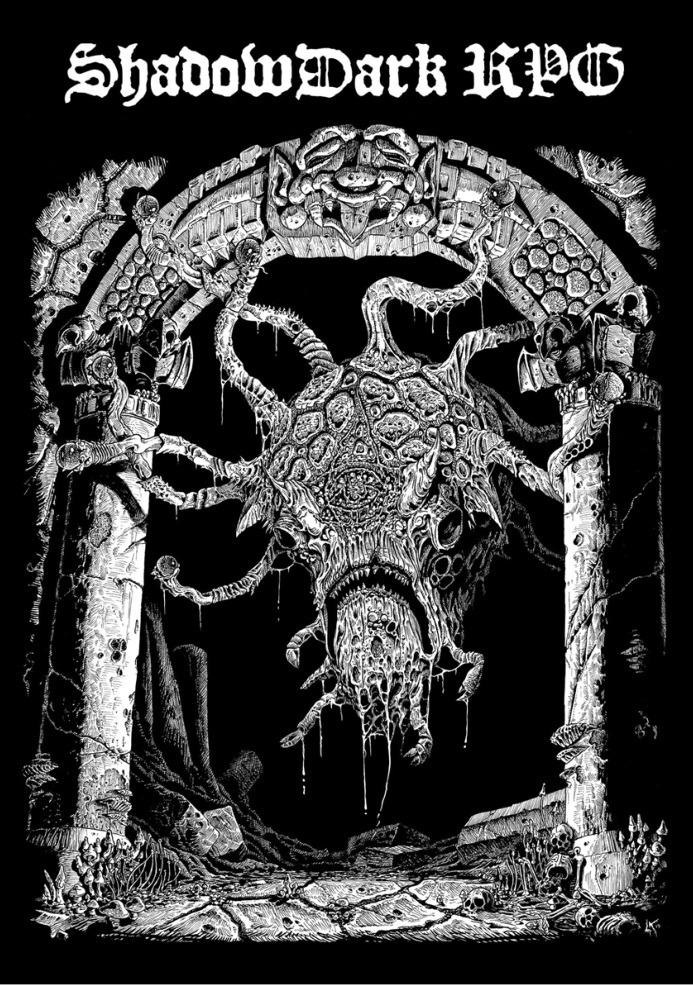
- Shadowdark (2023) – gridmark and rules-light dungeoncrawl
- Tales of the Valiant (2024) – a D&D 5e variant
- Rolemaster Unified (2022) – famously crunchy and customisable
- GURPS 4e Dungeon Fantasy (2007) – classic classless system
- Ars Magica 5th Edition (2004) – the historically grounded one (in Europe 1200 AD), very customisable
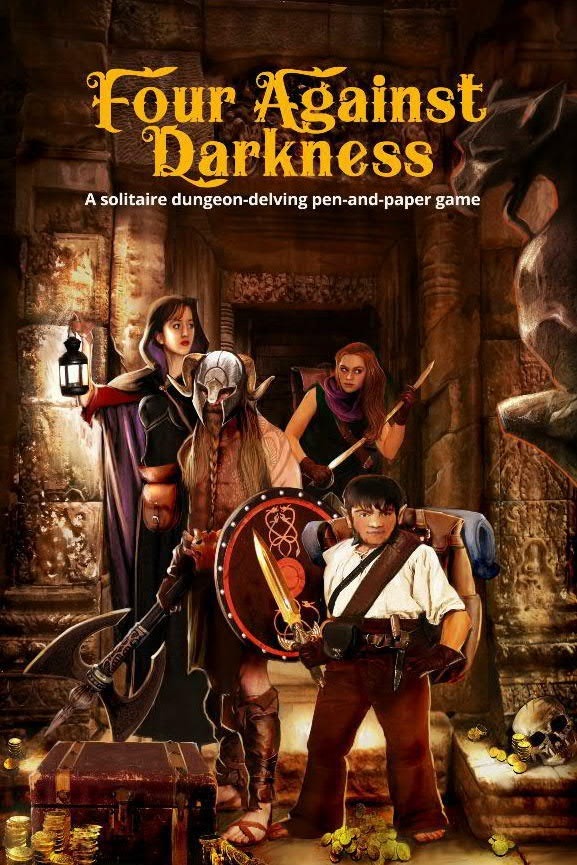
- Four Against Darkness (2017) – solo dungeoncrawl
- Blades in the Dark (2017) – where everyone’s a rogue!
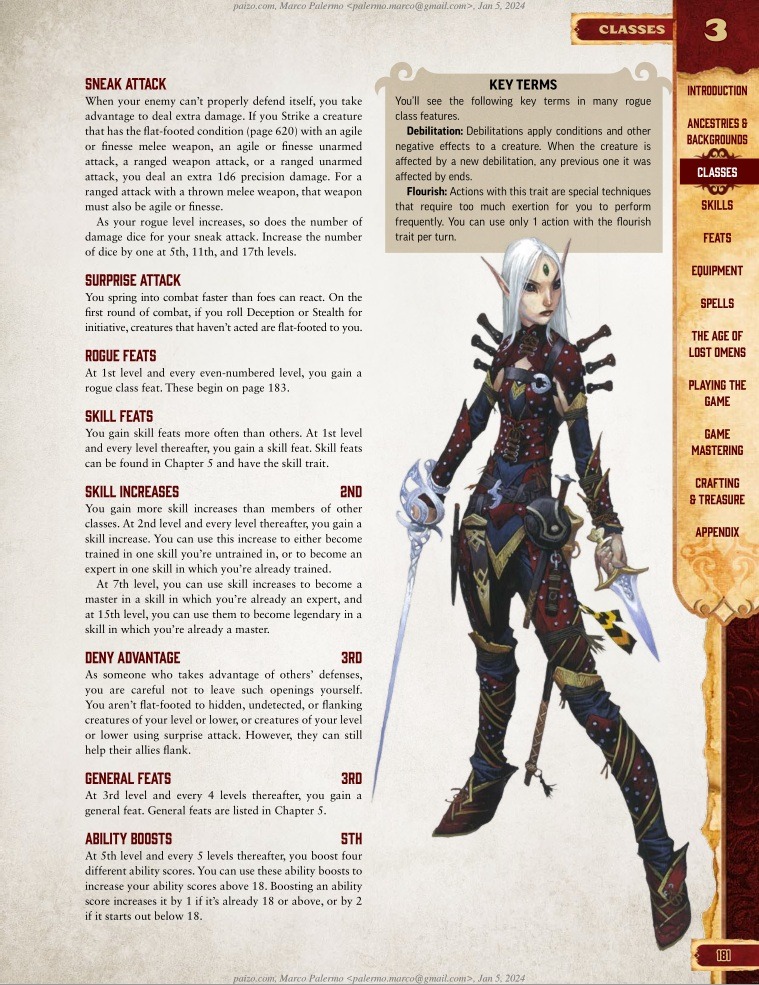
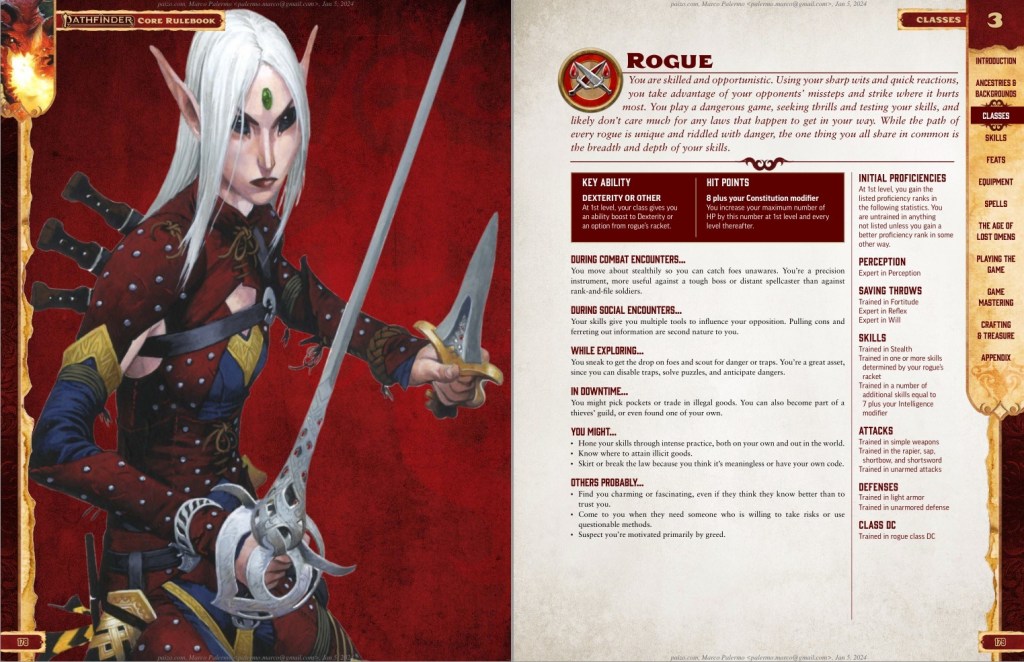
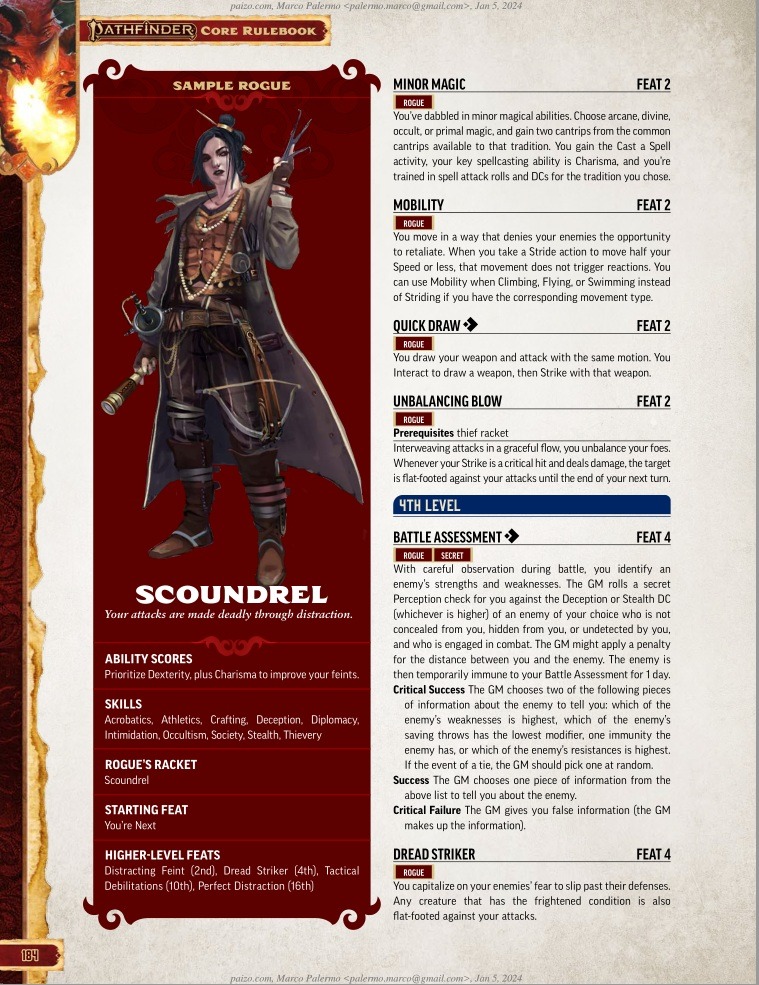
- Pathfinder 2e (2024) – a million rules and it’s all 3.5’s fault
- Lankhmar: City of Thieves (2015) – the Fafhrd and Gray Mouser setting, with the Savage Worlds system
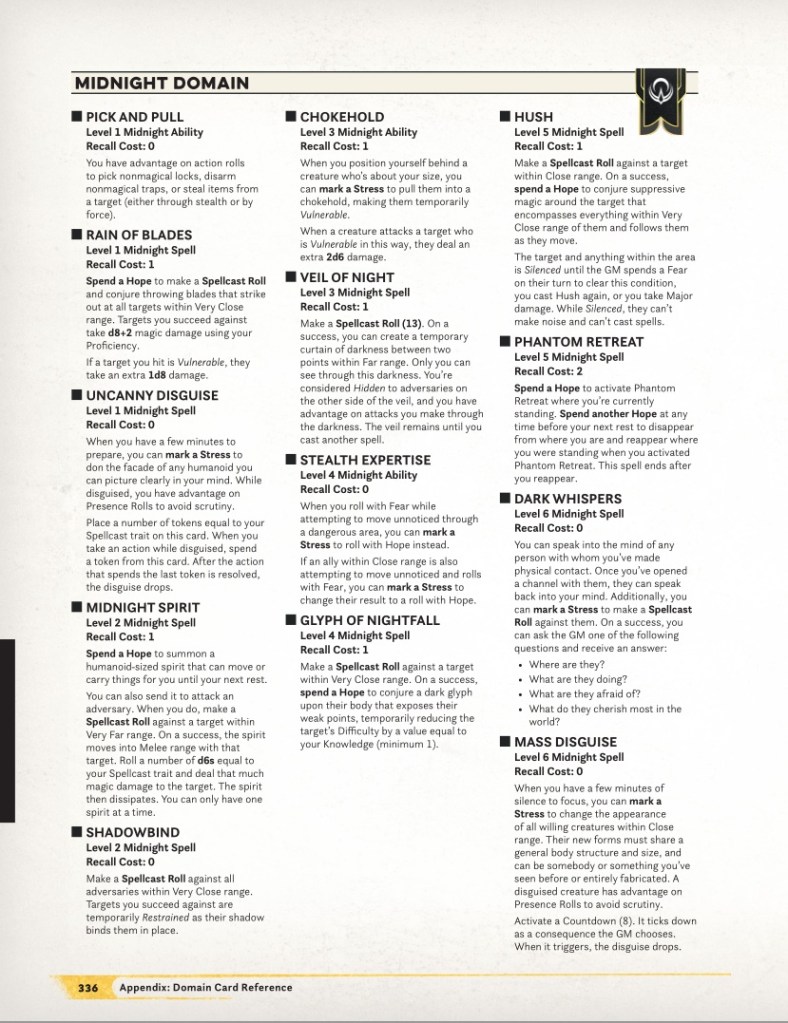
- Daggerheart (2025) – a more narrative, D12-based system







[originally posted on tumblr]
 Roguish