Ballads of the Hanged: Swinging from the Gallows Tree

A mixtape of execution ballads and assorted tales of guilt, wrath, terror, and defiance on the gallows, where all men are brothers. [on spotify]

21 tracks / 1h 15min in full (spotify lacks one song)

1. Hans Zimmer – Hoist The Colours

Heave ho
thieves and beggars
never shall we die

What a heartbreaking thing to say on the scaffold. But we have to start with theatrics and a drum roll, and our introduction needs no introduction.

2007, from Pirates of the Caribbean: At World’s End OST
lyrics: Ted Elliott & Terry Rossio
music: Hans Zimmer & Gore Verbinski

2. Shirley Collins – Tyburn Tree (Since Laws Were Made)

Next stop, Tyburn: England’s most notorious gallows. In The Beggar’s Opera, the highwayman Macheath (later also known as Mack the Knife) observes that if they hanged rich criminals like they hang the poor ones, “‘twould thin the land”. Shirley Jackson subtly changed this to the better.

Since laws were made for ev’ry degree
to curb vice in others as well as me,
I wonder there’s no better company
on Tyburn Tree.

But since gold from laws can take out the sting,
and if rich men like us were to swing,
it would rid the land their numbers to see
upon Tyburn Tree.

recorded 1966, released 2002 in Within Sound
lyrics: John Gay, from The Beggar’s Opera, 1728
music: traditional (“Greensleeves”), 16th century

3. Joan Baez – Long Black Veil

A country ballad about a man falsely accused of murder, who lets himself get dragged to the gallows because he won’t reveal his alibi: an affair with his best friend’s wife. It’s been covered by a million people, here’s Baez live.

The scaffold is high, eternity near,
She stands in the crowd, she sheds not a tear,
But sometimes at night, when the cold winds moan,
In a long black veil she cries o’er my bones.

1963, from In Concert Part 2
lyrics & music: Lefty Frizzell, 1959

4. Oscar Isaac with Punch Brothers & Secret Sisters – Hang Me, Oh Hang Me

A poor boy who got “so damn hungry he could hide behind a straw”, made his last stand with a rifle and a dagger, and has been all around this world, and is positively done with it.

They put the rope around my neck, they hung me up so high
Last words I heard ’em say, won’t be long now ‘fore you die
Hand me, oh hang me, and I’ll be dead and gone
Wouldn’t mind the hanging, but the laying in the grave so long

2015, from Another Day, Another Time: Celebrating the Music of “Inside Llewyn Davis”, after Oscar Isaac’s rendition in Inside Llewyn Davis, 2013, in turn after Dave Van Ronk’s rendition in Folksinger, 1962
lyrics & music: traditional American/unclear origin, folk song with various titles (I’ve Been All Around This World, The Gambler, My Father Was a Gambler, The New Railroad), first recorded by Justis Begley, 1937

5. Chapel Hill – Seven Curses

Cover of a Bob Dylan song, telling us the dark tale of a judge who’s about to send a man to the gallows for stealing a horse, promises his daughter he’ll show clemency if she agrees to sleep with him, and then reneges on his promise.

The next morning she had awoken
to know that the judge had never spoken
she saw that hanging branch a-bending
she saw her father’s body broken
These be seven curses for a judge so cruel

2013, from One For The Birds
lyrics inspired by Judy Collins’s “Anathea” (1963), in turn inspired by the traditional Hungarian ballad “Feher Anna”, who curses the judge “thirteen years may be lie bleeding”
lyrics & music: Bob Dylan, recorded 1963, released 1991 in The Bootleg Series

6. Ewan MacColl – Go Down Ye Murderers

A song about Timothy Evans, a man accused of murdering his wife and child, which he denied until his last breath. They convicted him and hanged him in 1950. He was 25 years old. Three years later the real murderer, his neighbour John Christie, confessed, and the case played a major role in abolishing capital punishment in the UK.

The rope was fixed around his neck, and the washer behind his ear
And the prison bell was tolling but Tim Evans did not hear
Sayin’ go down, you murderer, go down

They sent Tim Evans to the drop for a crime he didn’t do
It was Christy was the murderer, and the judge and jury too
Sayin’ go down, you murderers, go down

1956, from Bad Lads and Hard Cases: British Ballads Of Crime And Criminals
lyrics & music: Ewan MacColl

7. Jennifer Lawrence – The Hanging Tree

One of the stranger things that can happen at the hanging tree is camaraderie. “On the gallows tree, all men are brothers”, to quote A Feast for Crows, and when the state murders, then in defiance, an execution ballad can become a protest song. Many have in real life, this one is fiction, from The Hunger Games. Wisely, the director asked the composer for a simple tune, nothing elaborate, something that could be “sung by one person or by a thousand people”.

Are you, are you coming to the tree?
Wear a necklace of rope side by side with me
Strange things have happened here, no stranger would it be
If we met at midnight in the hanging tree

2014, from The Hunger Games: Mockingjay – Part 1 OST
lyrics: Suzanne Collins
music: James Newton Howard
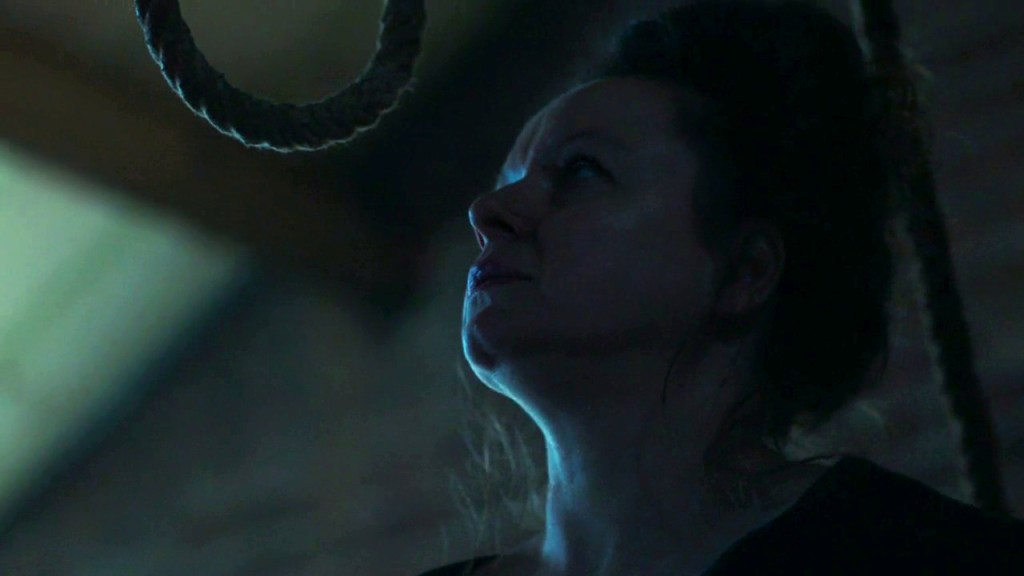
8. Let’s Play Dead – Heaven and Hell

A fairly traditional execution ballad written recently for the series Harlots. Margaret Wells sings it to herself for consolation and courage, as she sits alone in a cell, waiting to get dragged to the gallows.

I’m no more a sinner than any man here
I’m no less a saint than the priest at god’s ear
But now I am snared, they will punish me well
With a ladder to heaven and a rope down to hell

2018, from the single Heaven and Hell, for Harlots Season 2 Episode 7
lyrics & music: Let’s Play Dead

9. Odetta – Gallows Pole

Probably the most well-known execution ballad of the 20th century, thanks to several iconic renditions. This one remains my favourite.

Hangman, hangman, slack your rope, slack it for a while
I think I see my father coming, riding many a mile
Papa did you bring me silver, did you bring me gold?
Or did you come to see me hanging by the gallows pole?

1960, from At Carnegie Hall
lyrics & music: traditional (Child 95 / Roud 144), known under many other titles (“Hangman”, “The Maid freed From the Gallows”, “The Prickle-Holly Bush”); this version is directly influenced by Lead Belly’s “Gallis Pole” (1930s), and they both informed Led Zeppelin’s 1970 version

10. Johnny Cash – 25 Minutes to Go

Peak gallows humour, uproariously funny and defiant, and somehow still conveying the terror of a man who’s about to die and emphatically doesn’t want to. Performed live at Folsom Prison.

Then the sheriff said boy I’m gonna watch you die, 19 minutes to go
So I laughed in his face and I spit in his eye, 18 minutes to go
Now here comes the preacher for to save my soul, 13 minutes to go
And he’s talking about burning but I’m so cold, 12 more minutes to go

1968, from At Folsom Prison
lyrics & music: Shel Silverstein, from his 1962 album Inside Folk Songs

11. Johnny Cash – Sam Hall

A classic execution ballad with many versions (see here for its complicated history), some of which are stoic and dignified, and others humorous. But this one brims with rage. Sam Hall will not be repenting on the gallows, and he’ll see you all in hell.

My name it is Sam Hall and I hate you one and all
And I hate you one and all, damn your eyes

2002, from American IV: The Man Comes Around
lyrics & music: : traditional, 18th century broadside ballad, Roud 369

12. Nick Cave & The Bad Seeds – Up Jumped the Devil

A song about a man doomed from the start to play the villain’s part, and the origin of this blog’s #swinging from the gallows tree tag.

Who’s that hanging from the gallow tree?
His eyes are hollow but he looks like me
Who’s that swinging from the gallow tree?
Up jumped the Devil and he took my soul from me

1999, from Tender Prey
lyrics: Nick Cave
music: Nick Cave & The Bad Seeds

13. Dead Rat Orchestra – The Black Procession

[Not on Spotify, here’s a Bandcamp link] This ballad imagines a sinister procession of 20 criminals (black tradesmen brought up in hell!), each with their own specialty (it’s mostly thieves of some sort), on the way to the gallows. The last and worst of them is the thief-catcher, and if one of them is innocent, they’ll all go free. But of course none of them are. It’s written in thieves’ cant (lyrics and more context here), and the chorus means: “Look well, listen well, see where they are dragged, up to the gallows where they are hanged.”

Toure you well; hark you well, see where they are rubb’d,
Up to the nubbing cheat where they are nubb’d.

2015, from Tyburnia: A Radical History Of 600 Years Of Public Execution
lyrics: from The Triumph of Wit by J. Shirley, 1688
music: Robin Alderton, Daniel Merrill & Nathaniel Robin Mann

14. John Harle & Marc Almond – The Tyburn Tree

And where does the Black Procession lead? To Tyburn, of course. The dark gothic side of Marc Almond.

The Tyburn Tree, I weep for thee, blood in the roots
‘Tis not a tree with bark and leaves of spring awakening
‘Tis not a tree with blossom and fruit, ’tis not a tree
No boughs to bend beneath the unruly breath of winter
No memories of woods warmed by spring’s sweet touch
‘Tis not a tree — take a ride to Tyburn and dance the last jig

2014, from The Tyburn Tree (Dark London)
lyrics: Marc Almond
music: John Harle

15. CocoRosie – Gallows

Speaking of dark and gothic.

They took him to the gallows, he fought them all the way though
And when they asked us how we knew his name
We died just before him, our eyes are in the flowers
Our hands are in the branches, our voices in the breezes
And our screaming is in his screaming

2010, from Grey Oceans
lyrics & music: Sierra Rose Casady & Bianca Leilani Casady

16. The Tiger Lillies – Hang Tomorrow

In their Two Penny Opera, the pioneers of dark cabaret reimagine Brecht’s Threepenny Opera, and take all the suaveness out of Mack the Knife. Here they also take all the fight out of him. What’s even left? A pathetic empty husk, a bastard (let’s not forget that Brecht’s MacHeath is no rogue with a heart of gold, he’s a horrible man) who can’t even be intriguing. How disturbingly pedestrian.

So here I am in jail again, oh god it stinks of piss
I’ve been in here since I was young, so I can reminisce
It’s looking rather grim this time, it’s looking rather bad
But if I swing tomorrow in some ways I’ll be glad

2001, from Two Penny Opera
lyrics & music: Martyn Jacques

17. Tom Hollander – Ballad In Which MacHeath Begs All Mens’ Forgiveness

In The Threepenny Opera, Mack the Knife stands on the scaffold and asks for pity. No point being judgmental now, that he’s about to die. He morbidly describes how his dead body will end up, and then he lashes out at everyone, cops and criminals (same difference), while still begging them all for forgiveness. Very VERY sarcastically. The ballad’s concept is borrowed from François Villon (see below), and this translation is unusually bold (honorific, see here and here for other translations and context).

You crooked cops with your Mercedes,
your mobile phones, your trendy jackets,
your cuts from drugs and dice and ladies,
your Scotland Yard protection rackets.

Let heaven smash your fucking faces,
slash you and let the blood run free
and break you in a thousand places.
I’ve pardoned you. You pardon me.

1994, from The Threepenny Opera – Donmar Warehouse Original Cast
lyrics: Bertolt Brecht 1928, loosely inspired by François Villon’s “Ballad of the Hanged” c. 1489, translated by Jeremy Sams 1994
music: Kurt Weill 1928

18. Saga de Ragnar Lodbrock – Ballade des pendus

And here’s the OG Ballad of the Hanged, written in the 15th century by the OG poète maudit, François Villon (translation here). It paints an indelible picture of strung up corpses swaying in the wind, decaying, pecked by birds, ravaged by the elements and time. And crucially, it’s in the first person. The hanged speak, begging their fellow-humans for pity, and god for forgiveness.

Frères humains, qui après nous vivez,
N’ayez les cœurs contre nous endurcis,
Car, si pitié de nous pauvres avez,
Dieu en aura plus tôt de vous mercis.
Vous nous voyez ci attachés, cinq, six:
Quant à la chair, que trop avons nourrie,
Elle est piéça dévorée et pourrie,
Et nous, les os, devenons cendre et poudre.
De notre mal personne ne s’en rie;
Mais priez Dieu que tous nous veuille absoudre!

recorded 1979, released 1999 in the Saga de Ragnar Lodbrock reissue
lyrics: François Villon, c. 1489
music: Saga de Ragnar Lodbrock

19. Nick Cave & The Bad Seeds – The Mercy Seat

Honorary inclusion, a song not about hanging: the mercy seat is the electric chair. But the lyrics are a punch and this is a torrent of a song, a whirlwind, a masterpiece, a 7-minute cynic snarl. So it couldn’t possibly get left out of this compilation.

And the mercy seat is awaiting, and I think my head is burning
And in a way I’m yearning to be done with all this measuring of proof
An eye for an eye and a tooth for a tooth
(a life for a life and a truth for a truth)
And anyway I told the truth, and I’m not afraid to die
(and I’m afraid I told a lie)

1999, from Tender Prey
lyrics: Nick Cave
music: Nick Cave & Mick Harvey

20. Graveyard Train – Ballad For Beelzebub

And after? Welcome to Hell, ladies and gents, and bards. (Bards are rogues, too.) The Graveyard Train play a kind of Southern Gothic (but very southern, they’re Australian), and here they entertain the thought of a band that ends up in hell and has to keep playing, without end, for an audience that can’t hear. What a bleak prospect.

Well the air on the stage is burning our lungs
And we’re all going deaf from the beating drums
And you can’t see a thing for all the blood and the sweat in our eyes

Well we played till we died, and now we’re all dead
But the Man says we got to get up there again
And you can’t come down till the brimstone turns to ice

2008, from The Serpent And The Crow
lyrics & music: Graveyard Train

21. Samuel Kim feat. Colm R. McGuinness – Hoist the Colours

Yo ho, all together
Hoist the colours high
Heave ho, thieves and beggars

But we won’t end in hell. The only acceptable ending to this compilation is the triumphant version (wait for it) of its beginning: a pirate’s end. Traditionally the gibbet, yes, but also the ghost ship that still sails, the ripple that still travels, and the story that still gets told.

Did I stutter the first time?

NEVER SHALL WE DIE

[on tumblr]

Rogues in fantasy TTRPGs that aren’t Dungeons & Dragons

Sometimes it’s called Rogue, sometimes it’s called Thief. It can be a class, or a template, or a sample build for a classless system. It can be pigeonholed to a couple of roles and specialties, or wide open to interpretations and extensive customisation.

But any self-respecting fantasy game, chock-full as it may be with mighty warriors and powerful wizards, needs a disreputable little shit: the rogue, the thief, the scoundrel, the one who strays. And it’s a truly universal archetype. The people in the margins are the salt of the earth, and a setting without them is just… unseasoned.

“The thief gives us a chance to play someone closer to heart, someone who’s not strong or possessed of magical talents, someone who has to rely on wit and stealth to survive. Someone, we can imagine, who might very well be just like us. And in being more like us, it’s clear that the thief is not just a column of percentile chances to pick locks and disarm traps; she is blessed with as many different skills and appearances as there are crimes to be committed. And that’s quite a lot.” [x]

So here’s a sneak peek at the Thief/Rogue in:

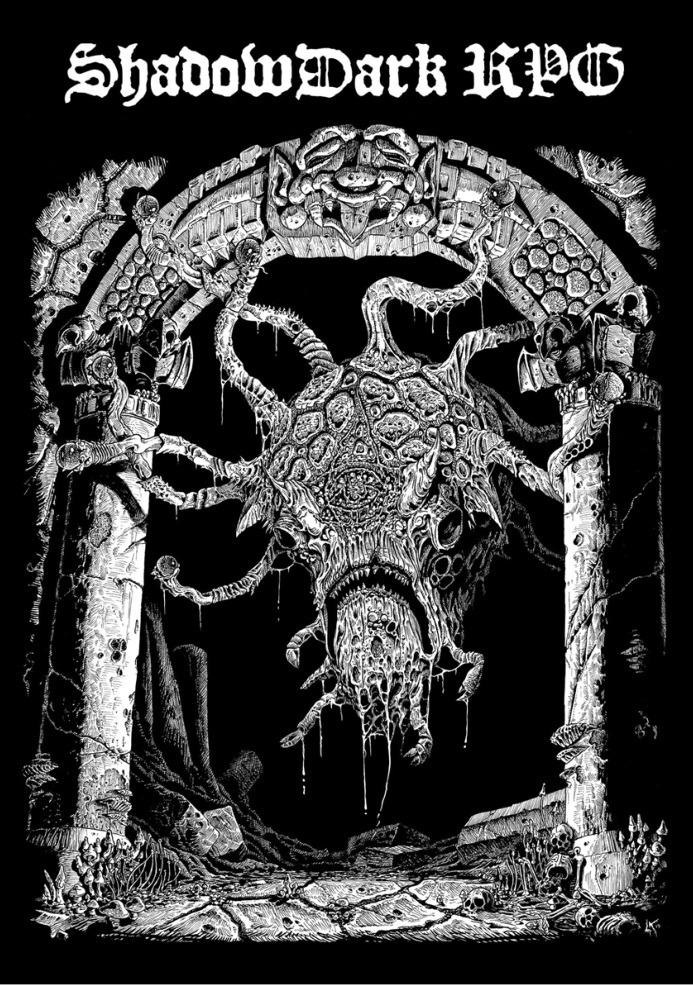
  • Shadowdark (2023) – gridmark and rules-light dungeoncrawl
  • Tales of the Valiant (2024) – a D&D 5e variant
  • Rolemaster Unified (2022) – famously crunchy and customisable
  • GURPS 4e Dungeon Fantasy (2007) – classic classless system
  • Ars Magica 5th Edition (2004) – the historically grounded one (in Europe 1200 AD), very customisable
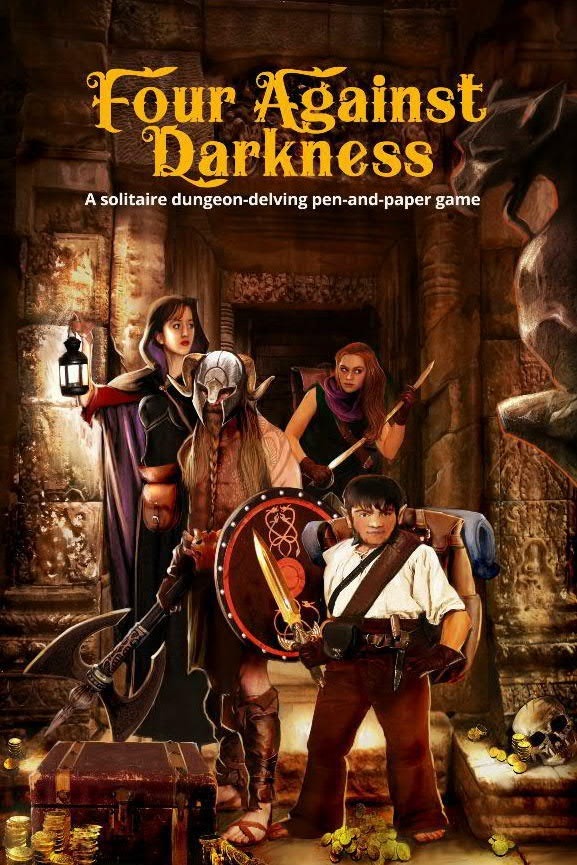
  • Four Against Darkness (2017) – solo dungeoncrawl
  • Blades in the Dark (2017) – where everyone’s a rogue!
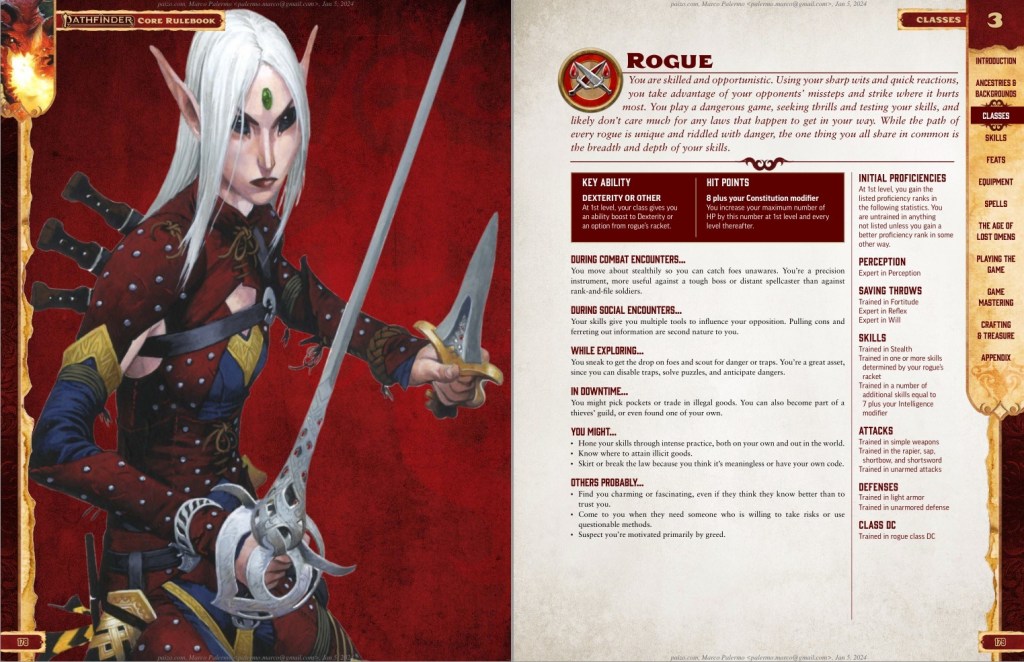
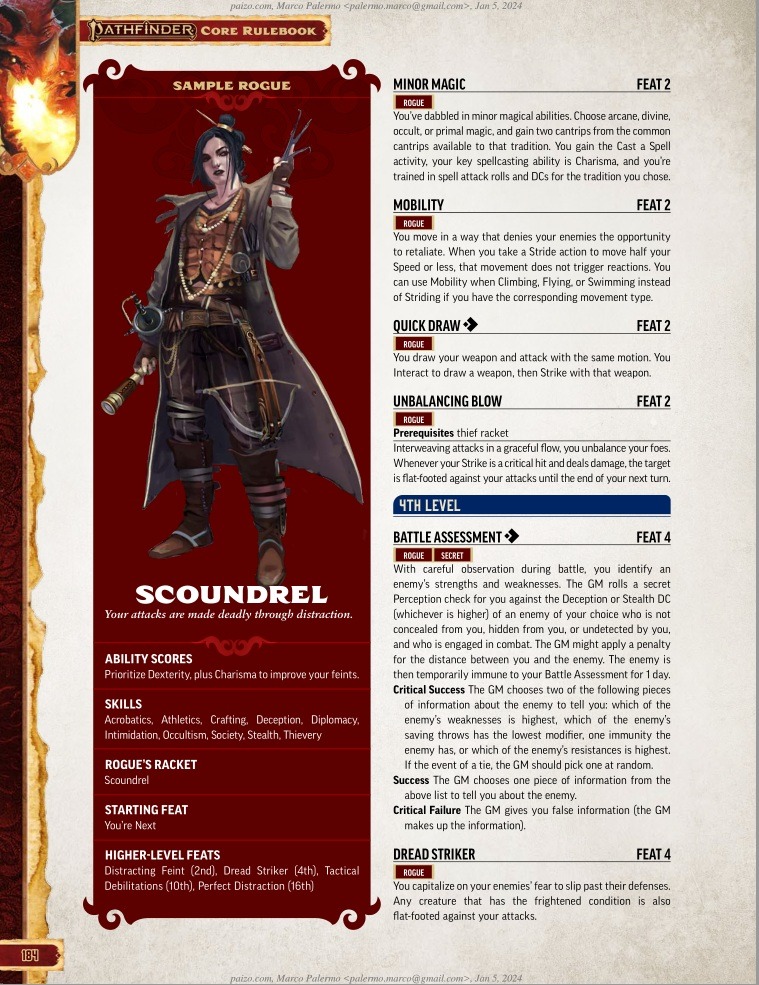
  • Pathfinder 2e (2024) – a million rules and it’s all 3.5’s fault
  • Lankhmar: City of Thieves (2015) – the Fafhrd and Gray Mouser setting, with the Savage Worlds system
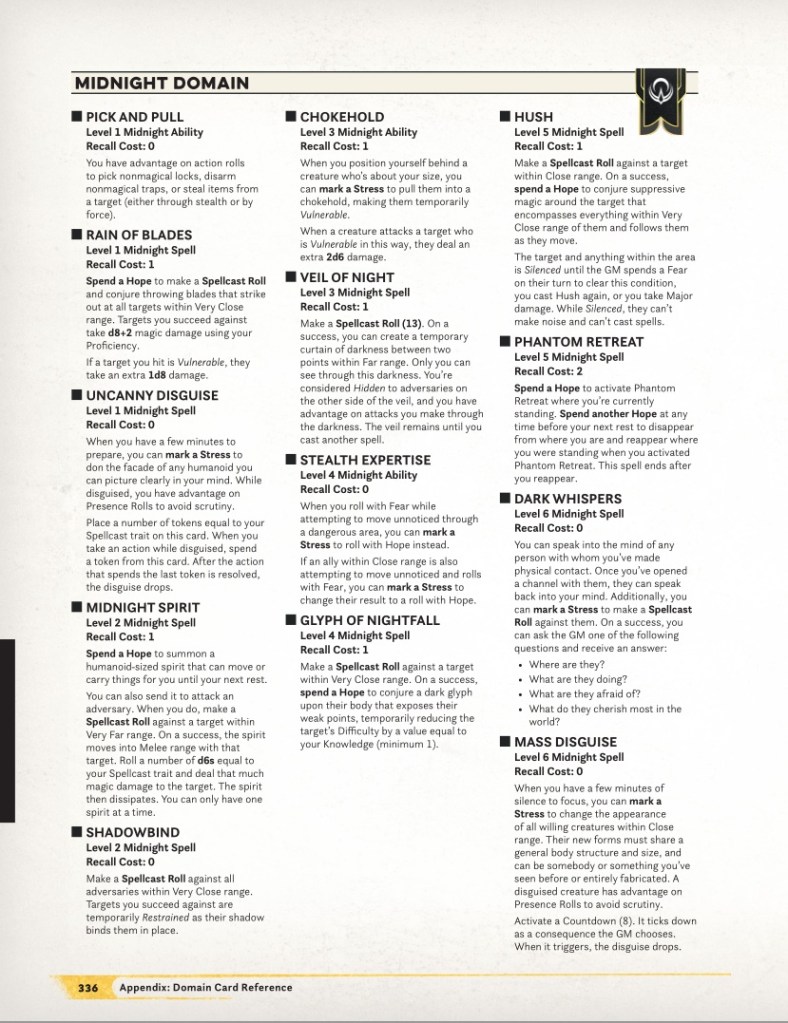
  • Daggerheart (2025) – a more narrative, D12-based system

Shadowdark Thief

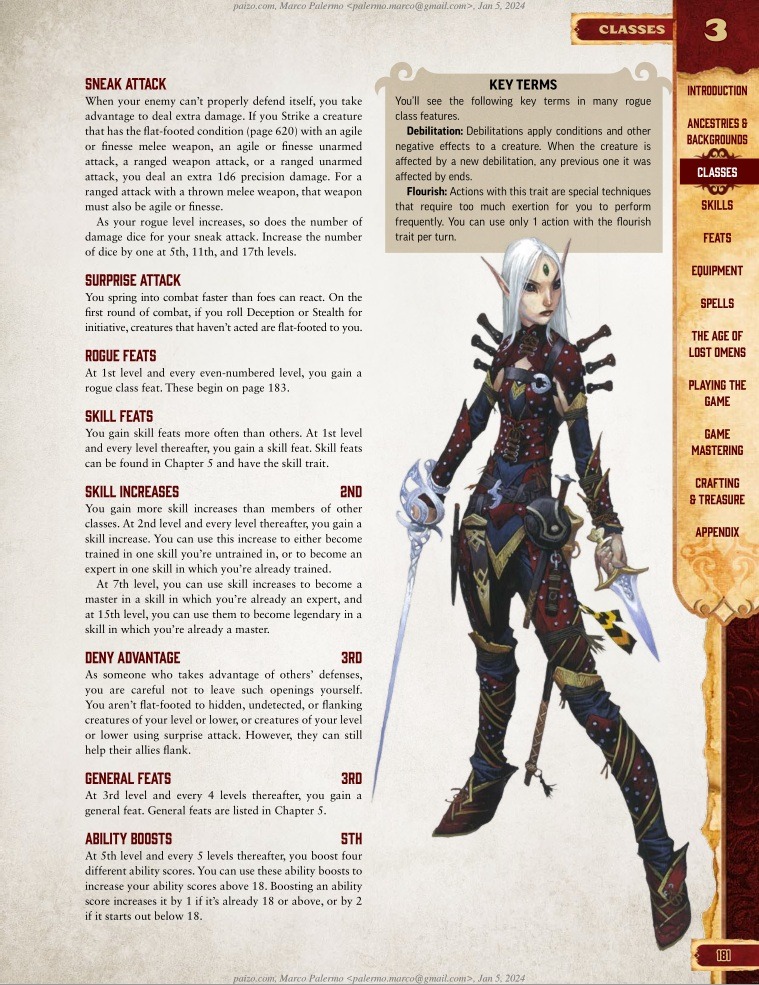
Pathfinder 2e Rogue

[originally posted on tumblr]

[D&D 5.5 / 2024 PHB] The Sneak Attacker’s cheat sheet: ways to attack with advantage

This list is drawn from the 2024 PHB and DMG. I’m listing first general rules that apply, and then specific methods arranged by the level when they become available.

The list can serve as reference for any Rogue handbook. But it’s also, rather accidentally, a list of how to impose all the relevant conditions (blinded, stunned, etc), so I think it’s useful for the whole party, and especially debuffers. Check this out if you enjoy using spells and abilities to debilitate opponents, so that your sword-swinging buddies can then swoop in and finish them. Teamwork!

The Basics: you roll with advantage when you

  • attack while Invisible [see below]
  • attack a Blinded target [see below]
  • attack a Prone target within 5 ft (negated if you use a Ranged weapon, de-negated with Crossbow Expert (lvl 4))
  • attack a Stunned target
  • attack a Restrained target
  • attack a Paralyzed target
  • attack a Petrified target
  • attack an Unconscious target
  • [but NOT when you attack an Incapacitated target: this condition now means you can’t take actions, but you can still move]

The Invisible condition

  • can be gained both by magical means and by taking the Hide action: whether you cast a spell which alters the very fabric of reality or you just lunge behind some crates, by the rules you’re Invisible
  • please note that stealth rules make no sense and nobody knows how they work, just assume that IF it works, you get advantage
  • the advantage is negated if “the creature can somehow see you” (whatever that means)
  • the advantage is negated if you’re in range of the target’s Blindsight
  • the advantage is negated if you’re in range of the target’s Truesight (including from the True Seeing spell) or See Invisibility spell, even if you gained the Invisible condition by taking the Hide action [this is RAW, not a suggestion; my suggestion is fuck this stupid rule]
  • Tremorsense doesn’t matter

The Blinded condition

  • the advantage is negated if you’re in range of the target’s Blindsight
  • if the condition comes from trying to see in Darkness, the advantage is negated if you’re in range of the target’s Darkvision (unless you’re a Gloom Stalker)
  • Tremorsense doesn’t matter

Methods to get Advantage

LEVEL 1

  • attack while Invisible from the Hide action, 1 attack normally but you can retain the Invisible condition with Cunning Strike: Supreme Sneak (Thief Rogue 9), or the Skulker feat (4) if you miss
  • attack after you’ve damaged the target with a Vex weapon
  • attack after an ally took the Help Action to Assist an Attack Roll
  • attack spending a Luck point from the Lucky feat (1) proficiency bonus times / long rest
  • target is affected by Faerie Fire (Bard/Druid 1st, Drow Elf 3, Magic Initiate feat 1) negated if you can’t see the target, though the spell does negate the benefits of Invisible, 1 minute / concentration, 20-ft cube, DEX save
  • target is affected by Guiding Bolt (Cleric 1st, Magic Initiate feat 1), 1 attack
  • target is Blinded because you are located in Darkness assuming you can see, so generally you need Darkvision or Blindsight, unless somehow you’re in Darkness but the target is not
  • target is Blinded because you and/or it are located in Heavily Obscured space assuming you can see, so generally you need Blindsight
  • target is Blinded from Colour Spray (Bard/Sorcerer/Wizard 1st, Magic Initiate feat 1, Shadow Touched feat 4), ~1 round, 15-ft cone, CON save
  • target is Prone from Unarmed Strike: Shove
  • target is Prone from a Topple weapon
  • target is Prone from Ball Bearings (Utilize action, 10-ft square, DEX DC 10)
  • target is Prone from a Goliath’s Hill’s Tumble, Hill Giant lineage, 1/day
  • target is Prone from Command: Grovel (Bard/Cleric/Paladin 1st, Magic Initiate feat 1, Fey Touched feat 4)
  • target is Prone from Grease (Sorcerer/Wizard 1st, Magic Initiate feat 1), 1 minute, 10-ft square, DEX save at casting/entering/ending turn
  • target is Prone from Tasha’s Hideous Laughter (Bard/Warlock/Wizard 1st, Magic Initiate feat 1, Fey Touched feat 4) 1 minute / concentration, WIS save
  • target is Prone from Thunderous Smite (Paladin 1st) STR save
  • target is Restrained from Ensnaring Strike (Ranger 1st) 1 minute / concentration, STR save, Athletics check every round
  • target is Restrained from Entangle (Druid/Ranger 1st, Magic Initiate feat 1) 1 minute / concentration, 20-ft square, STR save, Athletics checks every round
  • target is Restrained with Manacles that are fixed in place (Utilize action DC 13 DEX (sleight of hand), target must be grappled etc to begin with)
  • target is Restrained with Rope and their legs are bound (Utilize action DC 10 DEX (sleight of hand), target must be grappled etc to begin with)
  • target is Restrained with a Net (replaces attack, DC 8 + DEX + proficiency bonus)
  • target is Unconscious from Sleep (Bard/Sorcerer/Wizard 1st, Magic Initiate feat 1, Fey Touched feat 4), 1 attack/target, 2 successive saves for unconsciousness, 1 minute / concentration

LEVEL 2

  • attack with Reckless Attack (Barbarian 2) applies to Str-based attacks
  • target is Prone from being hit by an Elk / Mastiff (Druid 2 wild shape)

LEVEL 3

  • attack while Invisible from Invisibility (Bard/Sorcerer/Wizard/Warlock 2nd, Shadow Touched feat 4), 1 attack only
  • attack a target that relies on Darkvision to see while in Darkness and Invisible from your Umbral Sight (Gloom Stalker Ranger 3)
  • attack with Steady Aim (Rogue 3) bonus action, and cannot move in this turn at all, unless you’re an Assassin 9 in which case you can move after the attack
  • attack with Assassinate: Surprising Strikes a target that hasn’t taken a turn yet during the first round of combat (Assassin Rogue 3)
  • attack with Feinting Strike (Battle Master Fighter 3) bonus action
  • attack while both you and your duplicate from Invoke Duplicity are within 5 ft of the target (Trickery Cleric 3) bonus action to cast / move the duplicate 30 ft
  • target is Restrained from Web (Sorcerer/Wizard 2nd), up to 1 hour with Concentration, 20-ft cube conjuration, DEX save at entering/starting turn, Athletics check every round
  • target is Restrained from Nature’s Wrath (Oath of the Ancients Paladin 3) 1 minute, targets you can see within 15 ft, they save every round
  • target is Paralyzed from Hold Person (Bard/Cleric/Druid/Sorcerer/Warlock/Wizard 2nd, Abyssal Tiefling 5), up to 1 minute with Concentration, target saves every round
  • target is Blinded from Blindness/Deafness (Bard/Cleric/Sorcerer/Wizard 2nd), lasts up to 1 minute, target saves every round
  • target is Prone from a Trip Attack (Battle Master Fighter 3)
  • target is Prone from Open Hand Technique: Topple (Warrior of the Open Hand Monk 3)
  • target is Prone from being hit by Primal Companion: Beast of the Land (Beast Master Ranger 3)
  • target was hit by an ally’s Distracting Strike (Battle Master Fighter 3)
  • target is within 5 ft of an ally using Rage of the Wilds: Wolf (Path of the Wild Heart Barbarian 3)
  • [2014 Legacy] attack after you’ve used a bonus action for Insightful Fighting (Inquisitive Rogue 3) requires an Insight vs Deception check, lasts for 1 minute

LEVEL 4

  • attack with Mounted Strike from the Mounted Combatant feat (4) while mounted, a target smaller than your mount and within 5ft of your mount
  • target is Grappled by you and you have the Grappler feat (4)
  • target is Prone from being bashed by someone with the Shield Master feat (4)
  • target is Prone from being hit by a Giant Goat / Warhorse (Druid 4 wild shape)
  • target is Restrained from being hit by a Crocodile (Druid 4 wild shape)
  • target was critically hit with a bludgeoning weapon by someone with the Crusher feat (4), 1 round

LEVEL 5

  • target is Stunned from Stunning Strike (Monk 5)
  • target is Blinded from Hunger of Hadar (Warlock 3rd), only if you can see in magical darkness, up to 1 minute with Concentration
  • target is Prone from Eldritch Smite (Warlock 5)
  • target is Prone from Cunning Strike: Trip (Rogue 5)
  • target is Prone from Sleet Storm (Druid/Sorcerer/Wizard 3rd) area effect
  • target was hit by Shining Smite (Paladin 2nd) up to 1 minute with Concentration

LEVEL 6

  • attack while Invisible from your Steps of the Fey: Disappearing Step (Archfey Patron Warlock 6) 1 attack only
  • attack a target you’ve connected to via Awakened Mind: Clairvoyant Combatant (Great Old One Warlock 6) Wis save, 6+ minutes, 1/short rest normally

LEVEL 7

  • attack while Invisible from Greater Invisibility (Bard/Sorcerer/Wizard 4th), up to 1 minute with Concentration
  • target is Blinded from Fount of Moonlight (Bard/Druid 4th) until the end of the next turn
  • target is Restrained from Evard’s Black Tentacles (Wizard 4th)
  • target is Prone from Telekinetic Thrust (Psi Warrior Fighter 7)

LEVEL 8

  • target is Prone from being hit by a Brown Bear / Dire Wolf / Tiger (Druid 8 wild shape)

LEVEL 9

  • attack while Invisible from your Mislead (Bard/Warlock/Wizard 5th), 1 attack
  • target is Blinded by Blinding Smite (Paladin 3rd) up to 1 minute with Concentration, target saves every round
  • target is Blinded by Jallarzi’s Storm of Radiance (Warlock/Wizard 5th), up to 1 minute with Concentration, no save, area effect
  • target is Paralyzed from Hold Monster (Bard/Sorcerer/Warlock/Wizard 5th), up to 1 minute with Concentration, target saves every round
  • target is Prone from Yolande’s Regal Presence (Bard, Wizard 5th)
  • target is Restrained from Telekinesis (Sorcerer/Wizard 5th), 1 round
  • target is Restrained from Conjure Elemental (Druid/Wizard 5th), up to 10 minutes with Concentration, target saves every round

LEVEL 10

  • attack after an you or an ally used Zealous Presence (Path of the Zealot Barbarian 10), bonus action, 1 round

LEVEL 11

  • target is affected by Otto’s Irresistible Dance (Bard/Wizard 6th) up to 1 minute with Concentration
  • target is Unconscious from Eyebite (Bard/Sorcerer/Warlock/Wizard 6th), 1 attack only
  • target is Restrained or Petrified from Flesh to Stone (Druid/Sorcerer/Wizard 6th)
  • target is Restrained from Otiluke’s Freezing Sphere (Sorcerer/Wizard 6th), 1 minute, Str (Athletics) to break free, targets swimming on the surface only!
  • target is Blinded from Sunbeam (Cleric/Druid/Sorcerer/Wizard 6th), 1 minute

LEVEL 12

  • target is Prone from being hit by an Elephant (Circle of the Moon Druid 12 wild shape)

LEVEL 13

  • attack while Invisible from your Psychic Veil (Soulknife Rogue 13), 1 attack that deals damage only
  • attack with Studied Attacks (Fighter 13) 1st attack after you’ve attacked target and missed
  • target is Blinded or Stunned from Divine Word (Cleric 7th)
  • target is Restrained, Petrified or Blinded from Prismatic Spray (Bard/Sorcerer/Wizard 7th)
  • target is Stunned from Staggering Smite (Paladin 4th), until the end of the caster’s next turn
  • target is Unconscious (1 attack) or Stunned (1 minute) from Symbol (Bard/Cleric/Druid/Wizard 7th)
  • [2014 Legacy] attack a target previously hit in the first round of combat with Ambush Master (Rogue Scout 13) lasts until the start of the Scout’s next turn

LEVEL 14

  • attack while Invisible from your Nature’s Veil (Ranger 14), bonus action, lasts until the end of your next turn
  • target is Prone from Power of the Wilds: Ram (Path of the Wild Heart Barbarian 14)
  • target is Unconscious from Cunning Strike: Knock Out (Rogue 14), 1 attack
  • target is Blinded from Cunning Strike: Obscure (Rogue 14), lasts until the end of target’s next turn
  • target is Blinded from Searing Vengeance (Celestial Patron Warlock 14), lasts until the end of the current turn

LEVEL 15

  • target is Prone from Earthquake (Cleric/Druid/Sorcerer 8th)
  • target is Blinded from Holy Aura (Cleric 8th)
  • target is Stunned from Power Word Stun (Bard/Sorcerer/Warlock/Wizard 8th)
  • target is Blinded from Sunburst (Cleric/Druid/Sorcerer/Wizard 8th), 1 round

LEVEL 17

  • attack while affected by Foresight, lasts for 8 hours (Bard/Druid/Warlock/Wizard 9th)
  • attack while a duplicate from Improved Duplicity is within 5 ft of the target (Trickery Cleric 17)
  • attack while Invisible from your Cloak of Shadows (Warrior of Shadow Monk 17), lasts up to 1 minute under conditions
  • target is affected by your Hunter’s Mark (Ranger 17) up to 1 hour with Concentration
  • target is Prone from Destructive Wave (Paladin 5th) 30-ft emanation (sphere), CON save
  • target is Blinded, Restrained, or Petrified from Prismatic Wall (Bard/Wizard 9th), 1 minute
  • target is Restrained or Unconscious from Imprisonment (Warlock/Wizard 9th), until dispelled
  • target is Stunned from Rend Mind (Soulknife Rogue 17), 1 minute, saves every round
  • [2014 Legacy] use Master Duelist (Swashbuckler Rogue 17) to reroll with advantage an attack that missed

LEVEL 19

  • attack while Invisible from the Boon of the Night Spirit epic boon feat, 1 action’s (or bonus action, or reaction) worth of attacks only

MAGIC ITEMS

  • attack within the 30-foot radius Dim Light shed by a Candle of Invocation (very rare)
  • attack within 72 hours after drawing a Jester on the Deck of Many Things (legendary)
  • attack your sworn enemy with an Oathbow (very rare)
  • attack elementals while wearing a Ring of Elemental Command (legendary)
  • attack a creature that dealt damage to you, as a Reaction, with a Sword of Answering (legendary)

FOR COMPLETION’S SAKE

  • Optional Rule: at the DM’s discretion, you may roll with advantage when you attack a Frightened creature. (Flanking is not an optional rule any more.)

Note: the number next to classes is class level where the relevant ability is gained, the number next to feats is class level required to take it, and the number next to spells is spell level, e.g. “Paladin 2nd” is a 2nd lvl spell, filed under Level 5 when Paladins get it.

[originally posted on tumblr]

[D&D 5.5 / 2024 PHB] Rogue tweaks

That’s right, the new PHB isn’t even fully released yet, and we’re already fiddling with it, making up houserules. Quintessential D&D right there: RAW is a suggestion.

The tweaks are tentative, given that the DMG and the MM aren’t out yet. Several things are still in the air (skills, tools, stealth) because they’re vague or wonky in the PHB, and we don’t know what the monsters look like. Does the power creep of player classes mean they’ll be tougher? Are all traps and all locks really a flat DC 15? How do skills work? Time will tell. But for now, here are a few houserules that will hopefully make the 2024 Rogue experience more rewarding, and bring the class back to the middle of the curve damage-wise, because it was behind to begin with and now it dropped to the nether regions in comparison with other martials.

Rogue

In the base class, honestly everything’s GREAT except stealth rules and damage output. So all I got to add is:

  • See Invisibility, Truesight and similar don’t let you see creatures that used the Hide action successfully

Pending a more comprehensive stealth fix, because dear god these rules suck, and also I won’t be sure how they even work until the DMG comes out or a designer chimes in with Sage Advice.

  • Sneak Attack 1/turn/target
  • Extra Attack at lvl 5

My old 5e houserule. This may seem too much (with the Nick Weapon Mastery you can have 3 melee attacks/attack action at lvl 5) but remember that it’s a much bigger hassle to set up sneak attack for multiple targets (stealth and Steady Aim will only cover one attack), Cunning Strike sacrifices sneak attack dice lowering dmg, and often you’ll simply run out of targets. So you won’t actually be dealing 3 x sneak attack dmg every round. Also remember that other martials got boosted even more and deal quite a lot of damage. Needs playtesting, but I’m confident it’s gonna be fine, and if it’s not, I’ll just roll back the extra attack.

  • Cunning Strike includes Disarm, like in the playtest

Come to think of it, shouldn’t that be a Weapon Mastery? Do you think books down the line will introduce alternate weapon masteries, like, rapiers normally get Vex, but alternatively you can pick Disarm or whatever? Cause we can beat them to the punch and homebrew that right now!

Arcane Trickster

  • you can cast Mage Hand without verbal components
  • you can cast without verbal components [Proficiency Bonus] times / long rest

Self-explanatory. Sorcerers are the masters of metamagic, but conceptually this subclass needs Subtle Spell.

  • Mage Hand can be used to pick locks and disarm traps

No idea why they removed this ability, and limited Mage Hand to Sleight of Hand, but that’s just silly and we’re bringing it back.

  • you can use scrolls of the spells you know

Just clarifying a little thing here – an unfortunate wording appears to prevent Arcane Tricksters and Eldritch Knights from doing that by RAW, because they choose “Wizard” spells, and you can only use scrolls of your “class’s spell list”.

Assassin

  • the extra damage from Surprising Strikes is now twice your Rogue level, and applies only on the first sneak attack that hits in the first round

Assassinate, famously, used to let you crit surprised targets. Surprise rules changed, and now we get instead advantage on initiative (new and cool), advantage vs creatures that haven’t acted yet on the first round of combat (as before), and Surprising Strikes: if you sneak attack on the first round, add +rogue lvl to damage. (so like, +3 at lvl 3 and +20 at lvl 20). Although much more reliable, this flat bonus is really underwhelming, and doubling it gets it on par with a crit. I feel that’s appropriate. What’s the point of being an Assassin if you don’t wreck someone once per combat? It’s your job!

As for the crit, I will miss it because it was HEAPS of fun, but I’ll admit that for multiclass martials the “Assassin 3” dip was simply too good, and anything that’s too good is bad design.

And I added the “only on the first sneak attack” clause due to my 1st houserule: now rogues can potentially sneak attack more times per round, and we only want to go nova once.

Soulknife

  • Psychic Blades can now be used outside your turn

Opportunity Attacks are finally feasible with psychic blades in 5.5, but for example a Commander’s Strike from your Fighter buddy gives you an attack as a reaction, not called an Opportunity Attack, so it wouldn’t apply. And it’s a pointless restriction.

Thief

  • is perfect 10/10 no notes

Rogue-phonics

A is for Assassin who makes your heart stop cold
B is for the Burglar who deftly picks your lock
C is for the Cutpurse who swipes your gold and runs
D is for the Dodger, all mischief and street smarts

E is for Enforcer who’s bursting through your door
F is for the Filcher who lifts coins, jewels, and all
G is for the Grifter who takes you for a ride
H is for Highwayman, your money or your life

I’s for Infiltrator, the spy who gains your trust
J is for the Jack of All Trades, master of none
K is for the Knave who lacks an honest bone
L is for Lawbreaker who fought the law and won

M is for the Mountebank whose swindles are an art
N is for the Ne’er-Do-Well, that trouble-seeking scamp
O is for the Outlaw, that outcast robber bold
P is for the Pícaro who begged, borrowed, and stole

Q is for the Quack who lies and leads you on
R is for the Rogue who takes the crooked road
S is for the Scoundrel who’s not afraid to swing
T is for the Thief who swiftly palms your ring

U is for the Urchin who on barricades stood tall
V is for the Vagabond who roves, rambles, and roams
W is for the Waif who’s cast out like a tramp
X is for the X-Con who is free but wears the brand

Y is for the Yardbird who’s always in the slammer
Z’s for daring Zorro and all dashing swashbucklers
Rascals and rapscallions all, we cheat and steal and lie,
and gathered here we do avow that never shall we die

[originally posted on tumblr]

Thieves’ Guilds in History, according to Pathfinder

from Pathfinder’s Council of Thieves: “Thieves’ Guilds in History”

No one expects the Spanish Inquisition!

This unorthodox list of “Thieves’ Guilds in History”, in Pathfinder’s Council of Thieves (2010), was regarded with some suspicion. “Surely this can’t be right!,” a friend of mine thought, and showed it to me in disbelief. But I’ll defend it, because it does what it says on the tin. Just the small print of the tin, not the large title. It ‘s not literally a list of historical thieves’ guilds, but it’s definitely a list of parallels, “organisations that can be conceptualised as thieves’ guilds” to quote the text, and whose characteristics might resemble your standard fictional Thieves’ Guild in some regard, I would add. If we look at it that way, it’s not that much of a stretch.

No joke at all, depending on how we define organised crime, we might unintentionally include all sorts of organisations, because as it happens, the features, structure, and tactics of the Mafia (and the Yakuza and the Triads etc) can also be found in corporations, sovereign states, and so on. OPEC qualifies, and so does NATO and the IMF. The IMF is the probably the worst, and it would be my first choice if I was making that list. The blackmail of entire countries and their subsequent strangulation via debt isn’t very different (of better) than the blackmail of individuals and their subsequent murder via Colombian necktie.

In rural areas, resistance movements of all kinds (and rebel groups, irregular liberation armies, what have you) operate like bands of bandits. It’s inevitable, it simply doesn’t work otherwise. Their ultimate goal may vary wildly, ranging from admirable to appalling, but if the intermediary goal is “kick out the occupying army and/or defeat the national one with guerilla warfare”, what are they gonna do? Work 9 to 5 at the office and sabotage the bridge at 6? No, they need hideouts in the wilderness, and friendly locals, and supplies that they’ll acquire by any means necessary. Just like bandits.

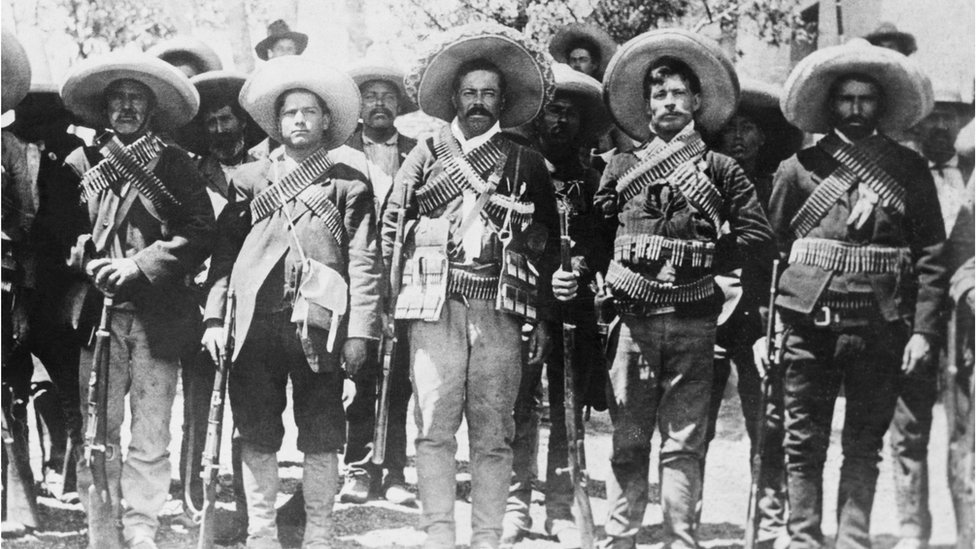
Pancho Villa and followers. The Mexican Revolution makes it obvious (and iconic, thanks to the visual of the bandoliers), but the very thin and blurry line between bandit and (rural) revolutionary applies almost everywhere if you look close enough.

So again, this is not a list of historical thieves’ guilds by any means (there is no such thing), but we can take it as food for thought, a nudge for more research, and inspiration for worldbuilding.

The source: Pathfinder 1E, Council of Thieves Adventure Path, Part 5 of 6: “Mother of Flies

[original post]

Knives for Commoners

image

Precious daggers are cool and all, but I’m very fond of simple pocket knives, made to get shit done. So here are a few farmer / peasant knives, ranging from penknife- to sickle-sized.

1. Grafting knife (greffoir) from Thiers, France

image

This little multi-tool has a curved blade (very used and sharpened, it was originally wider) and a smaller wavy blade. It’s primarily for cutting the stock plant and the plant shoot (or bud) that you mean to graft, though it’s also good for small pruning jobs and general utility. It locks by slipjoint, the standard pocket knife locking mechanism that you’ll find in Swiss army knives. The small flat thing is a bark lifter, it’s made of bone and it’s used for bud grafting: when you insert a bud beneath the bark of a stem, you have to be extra careful to not injure the bark, so you don’t want sharp edges there.

The handle has scales of bone, carved like this in order to look like stag (which is rarer and more expensive). A similar way to accomplish this is “jigged bone” scales, found in a lot of old/classic American and English knives:

image
Sheffield hunting knife by Joseph Allen / American folding knife (looks like an electrician’s knife) by Camillus

which I honestly think is too… regular, sometimes it looks machine-made even when it’s handmade. But this handle here is sculpted, it’s a work of art, I love it.

Manufactured sometime in *waves vaguely* the 20th century (probably 1930s-1960s) by the cutlery A. Bardin-Dozolmé. The blade is stamped “57 BARDIN Garanti”, which tells us nothing useful, this stamp’s been around since the 18th century. It’s 9.2 cm closed and 14.7 cm open. (3.62 / 5.79 inches)

2. Pruning knife (trinxet) from Mallorca, Spain

image

I’ve shown you this before, it’s got a curved carbon steel blade, a horn handle, and “friction lock” as they call it nowadays i.e. no lock whatsoever, it’s a clasp knife. And it’s the simplest, most convenient tool, I adore it.

Made by the cutlery Hermanos Campins in Consell, Mallorca, stamped “HNOS CAMPINS / CONSELL”, mid-20th century, 9.7 cm closed and 17 cm open. (3.82 / 6.7 inches)

3. Shepherd knife (couteau de berger) from Corsica, France

image

Another clasp knife (doesn’t lock), different shape, with a ram horn handle. Shepherd knives look like utility or bushcraft knives, their blades are not usually curved but they often have a clip-point shape, and they’re quite sturdy.

This is an outlier, it wasn’t really made for work, it’s for tourists or collectors. However, it’s handmade in the tradition of Corsican knife-making (as opposed to the more famous vendetta knives which were manufactured in mainland France, though I should clarify this shape isn’t uniquely Corsican either, it was widespread in both France and Italy), with a couple of modern touches: the blade is forged with a decorative flair, and the horn is first carved at the ridges (to emphasise it’s ram, I’m guessing) and then polished like a mirror.

It’s a strong, solid knife, and absolutely gorgeous.

Made by a local knife-maker (unfortunately I don’t know the name, the blade is signed but with a symbol) in Sartène, Corsica, maybe a decade ago. 11.5 cm closed and 19 cm open. (4.53 / 7.48 inches)

4. Folding billhook (roncola) from Italy

image
image

Billhooks are farming tools for cutting and pruning, though usually they have fixed blades. This one isn’t just folding, it’s an actual picklock, like a switchblade. (I mean with the same locking mechanism, it doesn’t open automatically or anything). The blade is carbon steel (that’s a lot of carbon, folks!) and the handle is beautiful, made of carved wood, with brass (I think) insets, and with a fancy external backspring.

Folding billhooks were exported from Italy to the UK. From 1961, a lot of them were imported by Whitby Knives, stamped “Whitby”, and were made in Maniago by Mauro Mario, a prolific knife-maker who also made a ton of switchblades. They looked like this:

image

The one I got looks earlier to me, but honestly I have no idea when it’s from. Early 20th? Late 19th? *uncertain noises* In any case, it’s 12 cm closed and 22.5 cm open. (4.72 / 8.86 inches)

5. Huge pruning knife (saca tripas) from Guanajuato, Mexico

image

And last but not least, a big fuck-off pruning knife, which locks securely with a ratchet and unlocks with a pull-ring. This is basically a folding sickle, you reap stuff with it, and can cut thick branches. The very curved carbon blade (it’s not over-sharpened, that’s its original shape) is stamped with a “J”, and the handle is made of horn, with an iron backspring.

The name is extravagantly bloodthirsty, it means “disemboweller” (saca tripas = “pulls out intestines”), and is of course a misnomer: this isn’t a weapon, it’s a farming tool. (Could it be used as a weapon? Well of course, but so can kitchen knives.) I’m not entirely sure if it’s really called that way, or only as a jest, or for the express purpose of selling one of them to bloodthirsty types, i.e. to morons. [Pet peeve: mislabeling work knives as “military” or “fighting” or “tactical”, when they’re clearly for utility, and often for some specific farming job. I even saw an ad for a knife like this describing it as a torture implement, for fuck’s sake people, IT’S FOR CUTTING PLANTS.]

So anyway, these knives can be found all over Mexico, and this one hails from the city of Guanajuato, or at least it was bought there at some point. It’s 16 cm closed and 28.5 cm open. (6.3 / 11.22 inches)

The lot of them

image

  • Despite the fact that all these are work knives (except the Corsican, but only technically: it emulates a specific, older work knife, and it’s still 100% functional), a clear effort has been made to make them pretty. And I LOVE this. Even the trinxet, which has a monochrome handle and no frills at all, is elegant in its simplicity, and they all have something going on, carvings, decorations, handles shaped to please the eye, materials chosen for their nice colour.
  • Aesthetically speaking, I think knives went to shit when plastic was adopted. (Practically speaking, I admit plastic is a lot more resistant to the elements; a handle of horn or bone must be kept dry or it shrivels, wood must be kept from dryness or it shrinks, bugs and mites eat it, it’s a mess.)
  • Not one blade here is stainless steel, and it shows.
  • Only the handle of the grafting knife (the smallest one) has scales riveted on a metal frame. Not coincidentally, it’s the most industrial production, it came out of a Thiers factory. (Thiers is a major cutlery centre, like Sheffield and Solingen.) The rest were hand-made in a workshop or at most a cottage industry (a bunch of people in a village construct parts and someone assembles them), and their handles are solid blocks of material (horn or wood), with a slit in the middle to fit the folded blade. That’s the simpler, older construction.
  • Folding knives are cool.

[original post]

Cold Iron in folklore, fiction, and RPGs

‘Gold is for the mistress—silver for the maid!
Copper for the craftsman cunning at his trade.’
‘Good!’ said the Baron, sitting in his hall,
‘But Iron—Cold Iron—is master of them all!’
       — Rudyard Kipling, “Cold Iron

Folklore

image
Drudenmesser, or “witch-knife”, an apotropaic folding knife from Germany

The notion that iron (or steel) can ward against evil spirits, witches, fairies, etc is very widespread in folklore. You hang a horseshoe over your threshold to deny entry to evil spirits, you carry an iron tool with you to make sure devils won’t assault you, you place a small knife under the baby’s crib to ward it from witches, and so on. Iron is apotropaic in many many cultures.

In English, we often come across passages that refer to apotropaic cold iron (or cold steel). “All uncouth, unknown Wights are terrifyed by nothing earthly so much as by cold Iron”, says Robert Kirk in 1691, which I believe is the earliest example. “Evil spirits cannot bear the touch of cold steel. Iron, or preferably steel, in any form is a protection”, says John Gregorson Campbell in 1901.

Words

So what is cold iron? In this context, it’s just iron. The “cold” part is poetic, especially – but not only – if we’re talking about either blades (or swords, weapons, the force of arms) or manacles and the like. It just sounds more ominous. There are “cold yron chaines” in The Fairie Queene (1596), and a 1638 book of travels tells us that a Georgian general (in the Caucasus) vowed “to make the Turk to eat cold iron”.

Green’s Dictionary of Slang defines “cold iron” as a sword, and dates the term to 1698. From 1725 it appears in Cant dictionaries (could this sense be thieves’ cant, originally? why not, plenty of words and expressions started as underworld slang and then entered the mainstream), and from ~1750 its use becomes much more common.

NGram Viewer diagram for 1600-2019.

In other contexts, cold iron is (surprise!) iron that’s not hot. So let’s talk a bit about metallurgy.

Metals

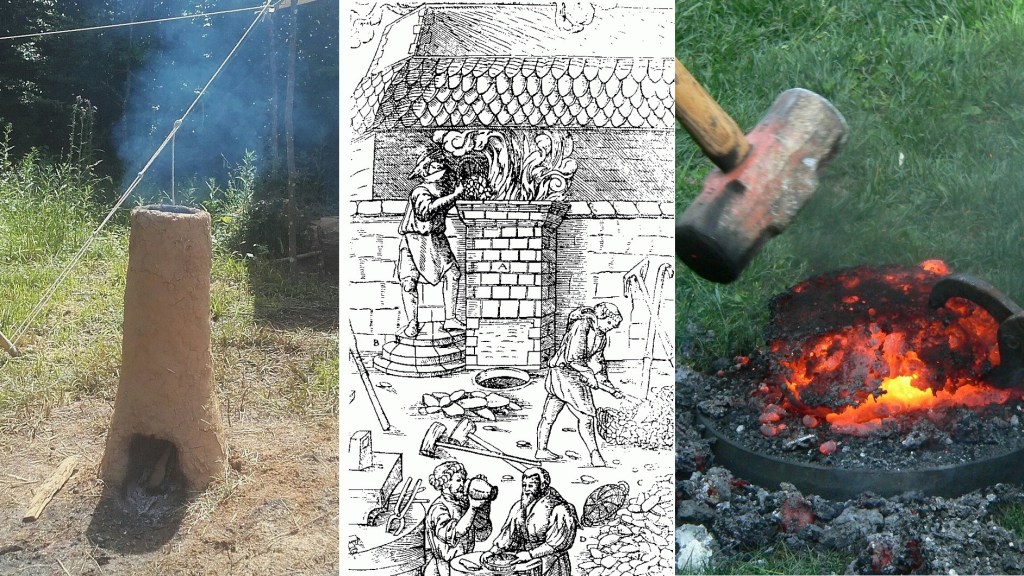
In nature, we can find only one kind of iron that’s pure enough to work with: meteoritic iron. It has to literally fall from the sky. Barring that very rare occurrence, people have to mine the earth for iron ore, which is not workable as is. To separate the iron from the ore we have to smelt it, and for that we need heat, in the form of hot charcoals. Throwing the ore on the coals won’t do much of anything, it’s not hot enough. But if we enclose the coals in a little tower built of clay, leaving holes for air flow, the temperature rises enough to smelt the ore. That’s called a bloomery.

clay bloomery / medieval bloomery / beating the bloom to get rid of the slag

What comes out of the bloomery is a bloom: a porous, malleable mass of iron (that we need) and slag (byproducts that we don’t need). By hammering the hot bloom over and over, we can get rid of the slag and at the same time turn the porous mass to something solid. And once the slag is off, by the same process we can give it a desired shape in the forge, reheating it as needed. This is called “working” the iron, hence “wrought iron” objects, i.e. forged.

a blacksmith in his forge, with bellows, fire, and anvil (English woodcut, 1603)

This is the lowest-tech version, possibly going back to ~2000 BCE in Nigeria. If we add bellows, the improved air flow will raise the temperature. So smelting happens faster and more efficiently in the bloomery, and so does heating the iron in the forge, making it easier to work with. And that’s the standard process from the Iron Age all through the middle ages and beyond (although in China they may have skipped this stage and gone straight to the next one).

If we make the bloomery bigger and bigger, with stronger and stronger bellows, we end up with a blast furnace, a construction so efficient that the temperature outright melts the iron, and it’s liquified enough to be poured into a mould and acquire the desired shape when it cools off. This is “cast iron”.

a blast furnace

So in all of this, what’s cold iron? Well, it’s iron that went though the heat and cooled off. (No heat = no iron, all you got is ore.) If it came out of a bloomery, or if it wasn’t cast, it’s by definition worked, hammered, beaten, wrought, and that happened while it was still hot.

Is there such a thing as “cold-wrought” iron? No. In fact, “working cold iron” was a simile for something foolish or pointless. A smith who beats cold iron instead of putting it in the fire shows folly, says a 1694 book on religion, so you too should choose your best tools, piety and good decorum, to educate your children and servants, instead of beating them. When Don Quixote (1605) declares he’ll go knight-erranting again, Sancho Panza tries to dissuade him, but it’s like “preaching in the desert and hammering on cold iron” (a direct translation of martillar en hierro frío).

Minor work can be done on cold iron. A 1710 dictionary of technical terms tells us that a rivetting-hammer is “chiefly used for rivetting or setting straight cold iron, or for crooking of small work; but ’tis seldom used at the forge”. Fully fashioning an object out of cold iron is not a real process – though a 1659 History of the World would claim that in Arabia it’s so hot that “smiths work nails and horseshoes out of cold iron, softened only by the vigorous heat of the sun, and the hard hammering of hands on the anvil”. [I declare myself unqualified to judge the veracity of this statement, let’s just say I have doubts.] And there is of course such a thing as “cold wrought-iron”, as in wrought iron after it’s cooled off.

Either way, in the context of pre-20th century English texts which refer to apotropaic “cold iron”, it’s definitely not “cold-wrought”, or meteoritic, or a special alloy of any kind. It’s just iron.

Fiction

The old superstition kept coming up in fantasy fiction. In 1910 Rudyard Kipling wrote the very influential short story “Cold Iron” (in the collection Rewards and Fairies), where he explains invents the details of the fairies’ aversion to iron. They can’t bewitch a child wearing boots, because the boots have nails in the soles. They can’t pass under a doorway guarded by a horseshoe, but they can slip through the backdoor that people neglected to guard. Mortals live “on the near side of Cold Iron”, because there’s iron in every house, while fairies live “on the far side of Cold Iron”, and want nothing to do with it. And changelings brought up by fairies will go back to the world of mortals as soon they touch cold iron for the first time.

In Poul Anderson’s The Broken Sword (1954), we read:

“Let me tell you, boy, that you humans, weak and short-lived and unwitting, are nonetheless more strong than elves and trolls, aye, than giants and gods. And that you can touch cold iron is only one reason.”

In Peter S. Beagle’s The Last Unicorn (1968) the unicorn is imprisoned in an iron cage:

“She turned and turned in her prison, her body shrinking from the touch of the iron bars all around her. No creature of man’s night loves cold iron, and while the unicorn could endure its presence, the murderous smell of it seemed to turn her bones to sand and her blood to rain.”

Poul Anderson would come back to that idea in Operation Chaos (1971), where the worldbuilding’s premise is that magic and magical creatures have been reintroduced into the modern world, because a scientist “discovered he could degauss the effects of cold iron and release the goetic forces”. And that until then, they had been steadily declining, ever since the Iron Age came along.

There are a million examples, I’m just focusing on those that would have had a more direct influence on roleplaying games. However, I should note that all these say “cold iron” but mean “iron”. Yes, the fey call it cold, but they are a poetic bunch. You can’t expect Robin Goodfellow’s words to be pedestrian, now can you?

RPGs

And from there, fantasy roleplaying systems got the idea that Cold Iron is a special material that fey are vulnerable to. The term had been floating around since the early D&D days, but inconsistently, scattered in random sourcebooks, and not necessarily meaning anything else than iron. In 1st Edition’s Monster Manual (1977) it’s ghasts and quasits who are vulnerable to it, not any fey creature. Devils and/or fiends might dislike iron, powdered cold iron is a component in Magic Circle Against Evil, and “cold-wrought iron” makes a couple of appearances. For example, in AD&D it can strike Fool’s Gold and turn it back to its natural state, revealing the illusion.

Then Changeling: The Dreaming came along and made it a big deal, a fundamental rule, and an anathema to all fae:

Cold iron is the ultimate sign of Banality to changelings. … Its presence makes changelings ill at ease, and cold iron weapons cause horrible, smoking wounds that rob changelings of Glamour and threaten their very existence…. The best way to think about cold iron is not as a thing, but as a process, a very low-tech process. It must be produced from iron ore over a charcoal fire. The resulting lump of black-gray material can then be forged (hammered) into useful shapes.

Changeling: The Dreaming (2nd Edition, 1997)

So now that we know how iron works, does that description make sense? Well, if we assume that the iron ore is unceremoniously dumped on coals, it does not. You can’t smelt iron like that. If we assume that a bloomery is involved even though it’s not mentioned, then yes, this is broadly speaking how iron’s been made since the Iron Age, and until blast furnaces came into the picture. But the World of Darkness isn’t a pseudo-medieval setting, it’s modern urban fantasy. So the implication here is that “cold iron” is iron made the old way: you can’t buy it in the store, someone has to replicate ye olde process and do the whole thing by hand. Now, this is NOT how the term “cold iron” has been used in real life or fiction thus far, but hey, fantasy games are allowed to invent things.

Regardless, 3.5 borrowed the idea, and for the first time D&D made this a core rule. Now most fey creatures had damage reduction and took less damage from weapons and natural attacks, unless the weapon was made of Cold Iron:

“This iron, mined deep underground, known for its effectiveness against fey creatures, is forged at a lower temperature to preserve its delicate properties.”

Player’s Handbook (3.5 Edition, 2003)

Pathfinder kept the rule, though 5e did not. And unlike Changeling, this definition left it somewhat ambiguous if we’re talking about a material with special composition (i.e. not iron) or made with a special process (i.e. iron but). The community was divided, threads were locked over this!

So until someone points me to new evidence, I’ll assume that the invention of cold iron as a special material, distinct from plain iron, should be attributed to TTRPGs.

[original post]

As The Order of the Stick nears its end

Rich Burlew’s The Order of the Stick is approaching the finish line, and it’s crazy to think that it launched in 2003 as a light-hearted parody of D&D rules – starting with the transition from 3rd Edition to 3.5. It’s crazy that we’re now on strip #1262 #1295, 1295 comic strips with stick figures, 1295 punchlines, together making an amazing story which goes so beyond escapism.

OotS features one of my favourite antagonists of all time. Redcloak is a villain with an Actual Point and a hell of a backstory, and his arc, to my joy, is now coming forward. Plot-wise, I think the whole comic is Redcloak’s story – the Order reacts to his plans and machinations, and Xykon is the Big Bad only in terms of raw power, which he seeks for power’s sake. But Redcloak is a motherfucker with a cause, and a large chunk of OotS’s themes revolve around that cause.

In the most recent strip, “Two Villages”, we see the Extremely Wise bugbear (and goblinkin) Oona giving her insight on how much, and how exactly, Redcloak cares about actual living goblins.

“Intentions are sparkly, like fresh snow on mangled corpse. But little bald man is dong in his life what we bugbears are calling “living in two villages.” First village is named Doing-Very-Best-For-Goblins, where we are skipping and playing and not worrying about getting smushed by dwarf or elf. Second village is named Right-All-Along, and all the rocks and trees there are telling little bald man he is being very smart and justified.”

“Anyway, little bald man is liking both villages and is owning fancy cottage with indoor fireplace in each. Okie dokie! Villages are across river from each other. No big whoop to be living in both. Lunch in one, dinner in the other! Everyone is happy!

But problem with living in two villages is: what if one day, bridge over river is being eaten by angry dolphin? Which village will little man be living in then? Which choice will he be choosing when choosing time is here?”

Oona is not worried that Redcloak will choose his ego over his cause. Oona KNOWS he will do that, and that’s why she’s helping him and “fighting off dolphins”, so that the bridge stays intact and he never has to make that choice in the first place.

The Order of the Stick #1262, by Rich Burlew (btw Oona’s wolf is the greatest animal companion of all time)

Like. Dude. The SHIT you can SAY with STICK FIGURES while being HILARIOUS at the same time, I love comics so much, I love D&D, I love fantasy, it’s amazing.

[original post]

Back slang and a Barbie pun

So, “lui c’est juste Ken” (he is just Ken) sounds exactly like “lui sait juste ken” (he just knows fucking).

“Ken” is a slang / argot word, and specifically verlan, a type of back slang.

Back slang is a type of cant where words are pronounced backwards. In English, a back slang of street sellers (costermongers) emerged in early Victorian London, so they could talk among themselves behind the customers’ / constables’ back. Possibly prisoners also used it (or something similar) to talk behind the wardens’ back. The words are pronounced backwards phonetically, more or less. So “boy” becomes yob, “pot of beer” becomes top o’ reeb, “no good” becomes on doog. But it’s not always straight forward, rules are always hazy in cant, so for example “police” becomes esclop. Cool the namesclop = look at the policeman.

The French equivalent is verlan. Its origins are hazy, elements of it appear from the Middle Ages, the criminal underworld probably used it (in some regions, at least) in the 19th century, it shows up in literature in the 20th, later the youths of the banlieues picked it up, rap and hip hop ran with it, and by now it’s pretty much mainstream, if informal.

Verlan reverses the syllables, transposing the last syllable to the start of the word. So “métro” become tromé, “bizzare” become zarbi, and “mec” becomes keum (with signle-syllable words it can go backwards phonetically). Sometimes it further truncates them, so zarbi becomes zarb. And “niquer” (“to fuck”, an argot word in the first place) becomes first keni, and from there ken.

[Speaking of niquer: during one of the many rebellions of the Parisian banlieues, a local tv station had sent a crew all the way to Paris to cover the riots, and the reporter found herself in front of a wall with large graffiti that said “SARKOZY NIQUE TA MÈRE”, and awkwardly said to the camera “and here we see a phrase that means, uh, ‘down with Sarkozy'”.]

Another famous back slang is Argentinian Lunfardo, which also reverses the syllables, so tango becomes gotán. (Hence, the Gotán Project.) Lunfardo was supposedly the slang of the criminal underworld and Italian immigrants in Buenos Aires, circa late 19th-early 20th century. It features in songs and in literature (see Borges’s “Streetcorner man”), though I should note its seedy origins are disputed. Roberto Arlt, an Argentinian author who didn’t just write about the underworld, he was of the underworld, commented that he doesn’t use Lunfardo in his writings because he doesn’t know it, he’d never heard it in real life in the shady dens he frequented. So it may have been a literary invention to some degree.

Other back slangs which reverse syllables are Xhosa Ilwimi, used mostly by teenagers, Japanese tougo, Serbo-Croatian-Bosnian šatrovački, used originally by criminals and later by youths in general, and Greek podana, which means exactly the same as the French verlan, it’s the word “backwards” (anapoda / l’envers) backwards, and is a somewhat dated criminal / subculture slang (mostly stoner-related tbh), only minimally taken up by hip hop.

Rule of thumb: hip hop is now the ultimate indicator of cant/slang. If a slang word or type of slang doesn’t take off there, it’s dead. If it’s widely used there, it’ll become mainstream informal in no time. (I believe the AAVE->tumblr speech pipeline is a subset of that, though that’s probably a bit more complicated.) And there’s a sweet spot in between where it’s alive but still marginal.

[originally posted on tumblr]