PMC will make major changes to our Article Dataset Distribution Services in 2026. In August 2026, you will need to access full text article data files through the PMC Cloud Service instead of the PMC FTP Service. This change will provide you with more reliable performance, faster retrieval times, and greater flexibility in retrieving only the types and number of files you wish to work with.
Since this may impact operational workflows, we are providing a transition period from February to August. During this time, the FTP Service, OA Web Service API, and the current PMC Cloud Service files will remain available concurrently with the updated PMC Cloud Service on AWS.Continue reading “Changes to PMC Article Dataset Distribution Services Coming in 2026”→
PubMed Central (PMC) is moving to an updated version of the E-utilities API in early February 2026. This version of E-utilities will use the same technology as the updated PMC website search, which was released in September 2025. This change means search results returned by the updated ESearch E-utility will now match those of the PMC website.
Next steps
If you manage code that creates PMC E-utility requests, review the changes below to ensure that your code will continue to function after the update. This update only affects E-utility calls when the request specifies the PMC database, &db=pmc. There are no changes to the E-utilities for other databases. Continue reading “Coming Soon: Updated PubMed Central (PMC) E-Utilities”→
The National Center for Biotechnology Information (NCBI) at the National Library of Medicine (NLM) has made initial updates to several offerings to support NIH-funded researchers and institutions to comply with the 2024 NIH Public Access Policy, which went into effect July 1, 2025. NCBI will continue to make ongoing improvements over the coming months.
As previously announced, NLM’s NCBI is modernizing the PubMed Central (PMC) website. The next step is to update the PMC search functionality and user experience. Before we transition to an updated search later this year, we have a beta version available for you to preview and test!
Try PMC Beta Search and share your feedback
We invite you to try out the updated PMC Beta Search by clicking the link under the search bar on the PMC website (Figure 1). You can submit your feedback by using the “Provide Feedback” button (Figure 2). Feedback will be used to improve the PMC Beta Search before it becomes the default in PMC. Visit the PMC Beta Search user guide for general guidance on the updated search. Continue reading “PubMed Central’s Updated Full-Text Search Preview Now Available”→
As previously announced, NLM’s NCBI transitioned to an updated PubMed Central (PMC) website, representing the next step in ongoing efforts to modernize NLM’s products and services. As part of this update, the primary URL for the PMC website has changed from ncbi.nlm.nih.gov/pmc to pmc.ncbi.nlm.nih.gov. In addition, you’ll notice a new look, feel, and organization of PMC article pages and the PMC Journal List.
The updated website runs on cloud services to ensure the website’s long-term sustainability and reliability. It also incorporates U.S. Web Design System (USWDS) components and design principles to improve PMC’s readability and accessibility, whether you are visiting on a desktop computer, mobile device, or accessing its content using assistive technology.Continue reading “PubMed Central (PMC) Transitions to Updated Website”→
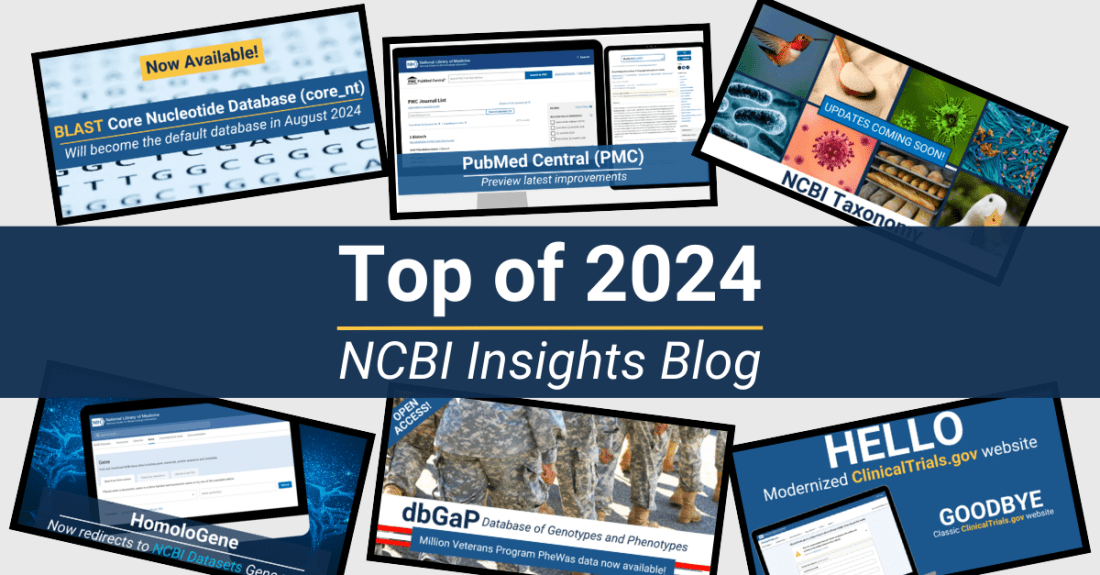
Since announcing the launch of a more modern PubMed Central (PMC) website in March 2022, NLM’s NCBI continues to make improvements based on your feedback. We invite you to preview the latest improvements planned for the PMC website. These improvements will become the default in October 2024 and include an updated article display, enhanced PMC journal list, and other features to help you access information quickly and easily. Click on the “Try it out now” link in the banner on the top of any ncbi.nlm.nih.gov/pmc page to preview and experience these improvements for yourself. Continue reading “Preview Upcoming Improvements to PubMed Central (PMC)”→
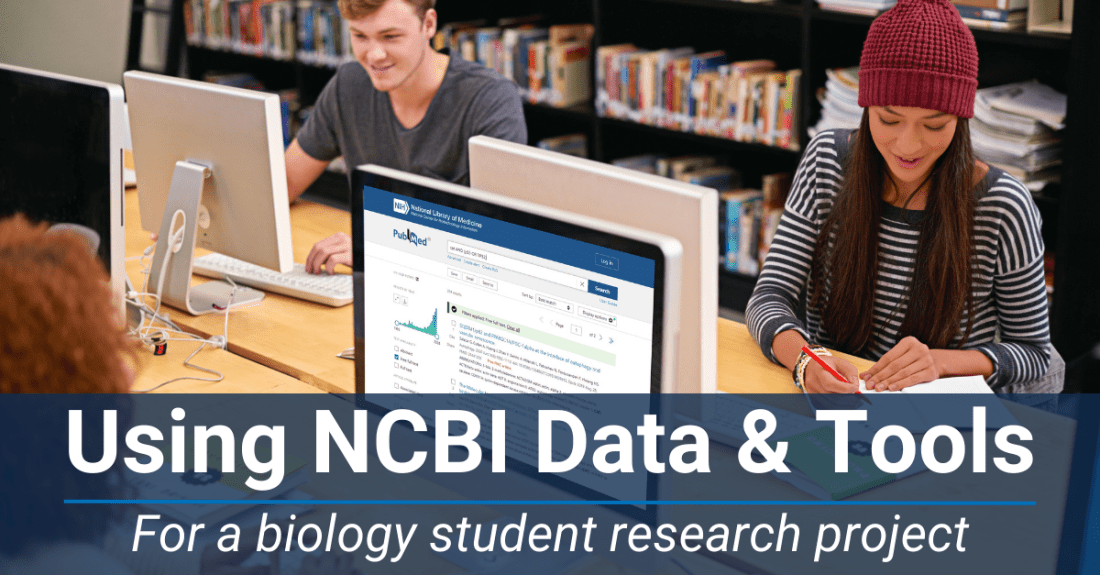
Are you a biology student working on a research project? NCBI offers free access to a wide variety of resources and tools to help you find and download data for your project.
How and why do you use our resources? Check out the example below:
Your professor has assigned you a research project looking at the sequence and structure of the TP53 gene in the domestic cat (Felis catus). In addition, you were asked to find information on this gene and its genomic region in other members of the cat family (Felidae).Continue reading “Using NCBI Data and Tools for Your Research Project”→