 Not only does Gilion host the European Reading Challenge and TBR 26 in 26 Challenge on her Rose City Reader blog but also Book Beginnings on Friday. While I’m no stranger to her European Reading Challenge, a few years ago I decided to finally participate in Book Beginnings on Friday. After taking last week off I’ve returned with another post.
For Book Beginnings on Friday Gilion asks us to simply “share the opening sentence (or so) of the book you are reading this week, or just a book that caught your fancy and you want to highlight.”
MY BOOK BEGINNING
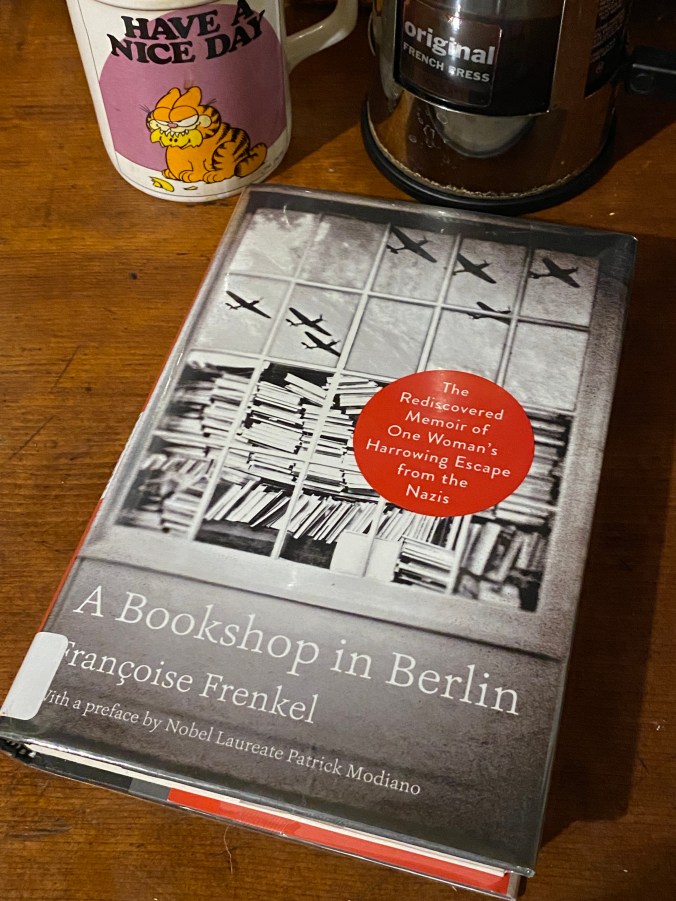
I don’t know exactly when I first felt the calling to be a bookseller. As a very young girl, I could spend hours leang through a picture book or a large illustrated tome.
Last week I featured Moudhy Al-Rashid’s 2025 Between Two Rivers: Ancient Mesopotamia and the Birth of History. Before that it was David Greene’s 2014 Midnight in Siberia: A Train Journey into the Heart of Russia. This week it’s Françoise Frenkel’s 2019 A Bookshop in Berlin: The Rediscovered Memoir of One Woman’s Harrowing Escape from the Nazis.
Just like last week, if this book looks familiar it’s because I featured it last month in the same Library Loot post. It was hard for me to resist A Bookshop in Berlin for several reasons. One, I have a weakness for books about, or novels set in bookstores. Two, I can apply this book towards a number of reading challenges including the Bookish Books, Books in Translation and Immigration reading challenges.  Three, who can say no to a book originally published in 1945 that was forgotten but later rediscovered tucked away in an attic almost 60 years later? No wonder I can’t to dive in to this intriguing memoir.
Here’s what Amazon has to say about A Bookshop in Berlin.
In 1921, Françoise Frenkel—a Jewish woman from Poland—fulfills a dream. She opens La Maison du Livre, Berlin’s first French bookshop, attracting artists and diplomats, celebrities and poets. The shop becomes a haven for intellectual exchange as Nazi ideology begins to poison the culturally rich city. In 1935, the scene continues to darken. First come the new bureaucratic hurdles, followed by frequent police visits and book confiscations.
Françoise’s dream finally shatters on Kristallnacht in November 1938, as hundreds of Jewish shops and businesses are destroyed. La Maison du Livre is miraculously spared, but fear of persecution eventually forces Françoise on a desperate, lonely flight to Paris. When the city is bombed, she seeks refuge across southern France, witnessing countless horrors: children torn from their parents, mothers throwing themselves under buses. Secreted away from one safe house to the next, Françoise survives at the heroic hands of strangers risking their lives to protect her.
 to resist. Plus, upon closer inspection I learned the author has been a guest on the highly entertaining BBC podcast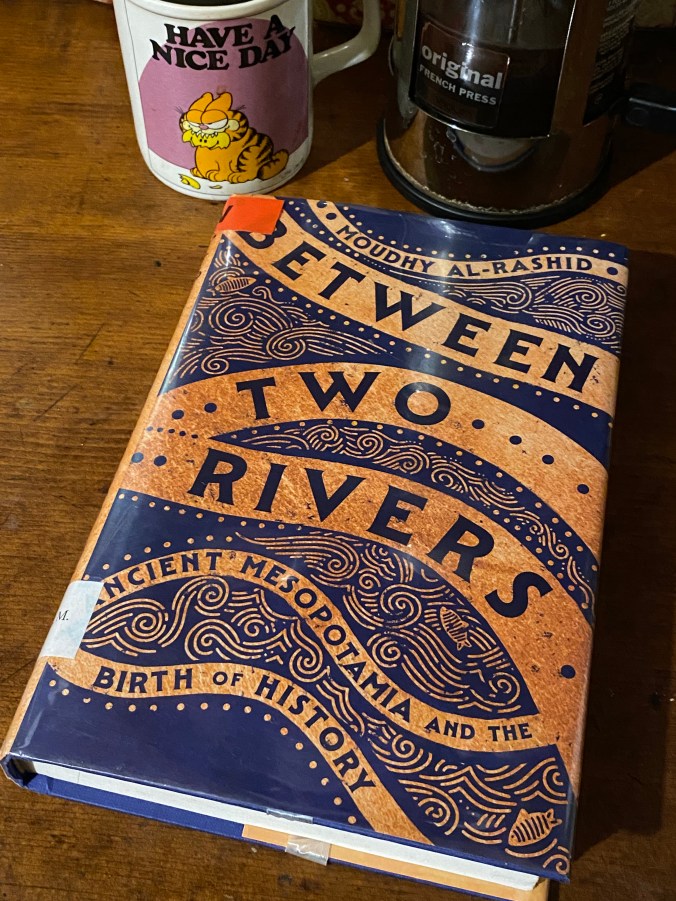
 or novels set in Alaska, the Bering Sea and Siberia. Like so many of my intended reading projects it will probably end up being little more than a pipe dream. But maybe 2026 is the year I pull it off.
 was in the twilight of his career teaching history at
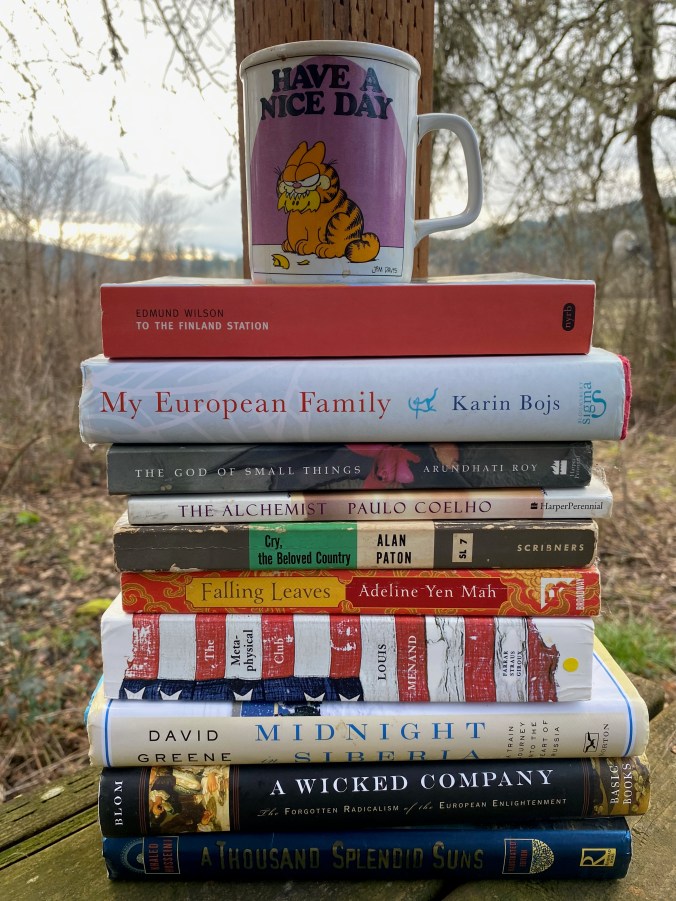




 different characters you have to pay close attention to what’s going on. But for the most part it’s been a satisfying read, and as soon I’m finished I’ll be posting my impressions for all to read.



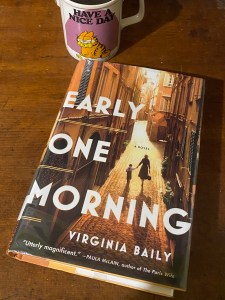
 Like I wrote in an earlier post after hearing Elyse Graham, the author of
 to report there’s a darn good chance this book will go on to make my year-end list of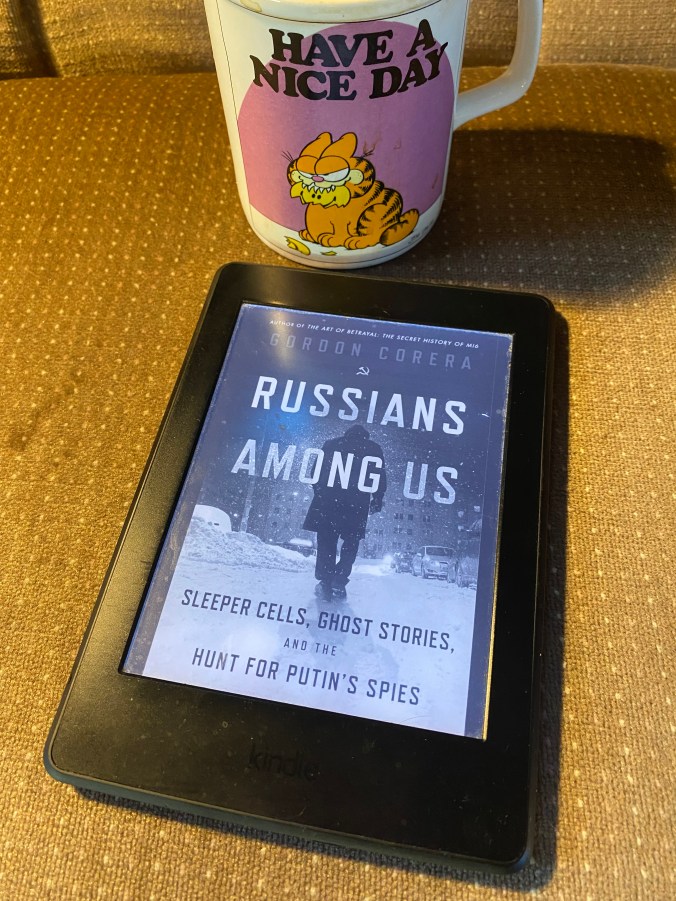


 Maphead's Book Blog