13 December 2024: Our list of sessions has now been published. See below. When you register for the conference, you will be asked to select a preferred session for your presentation; this list on offer will mirror the list below.
Universal Session
Simon Kemp, BGS, UK, [email protected]
Helen Pendlowski, The James Hutton Institute, UK, [email protected]
Dave Wray, University of Greenwich, UK, [email protected]
Mohamed Mouafon, Institut Clément Ader, FRANCE, [email protected]
Javier Garcia Rivas, Complutense University of Madrid, SPAIN [email protected]
The organizers of ICC 2025 have appealed for and received a broad range of session submissions for the conference. However, no session list is ever exhaustive and so we plan one or more ‘universal’ sessions. These panoptic, general sessions will include all presentations that do not find a natural home in one of the other themed sessions. As with all of the sessions at ICC, the session chair teams will include early career researchers, many of whom may be helping to run/chair a session for the first time. Where possible we will assemble the presentations in the general sessions into logical groupings. Rest assured that our universal session(s) will be given a prominent location in the programme and treated as equal to any other session.
The organizers have left open the portal for submitting session ideas even though the original deadline has now passed. If you have an idea for a session which fills a gap in the themes not covered by existing submissions, please contact the convenors, Steve Hillier and Kevin Murphy, who will be glad to consider late suggestions.

The Role of Layered Minerals in the Origin of Life – Insights from Terrestrial and Extraterrestrial Environments
Valentina Erastova, University of Edinburgh, UK, [email protected]
Chris Greenwell, Durham University, UK, [email protected]
Sarah V Stewart, University of Edinburgh, UK, [email protected]
Daniel Santamaria Gonzalez, University College London, [email protected]
The origin of life, whether terrestrial and/or extraterrestrial, involves fundamental questions about the transition from inanimate matter to living systems. Clay minerals, with their layered structures and high charge density, have been critical in shaping theories about the prebiotic mechanisms that most likely assisted during the emergence of life.
Layered minerals form as a result of silicate weathering on both Earth and other planets, and are known to selectively concentrate organic molecules, catalyse polymerisation reactions and providing protecting environments for nascent protobiopolymers – all of which are essential steps for the initial steps toward life.
This session explores how these properties of clays might have facilitated life's origin through a multidisciplinary approach that integrates experimental studies, computational modelling and analyses of materials from space missions. Jointly, these studies help us overcome the key limitation of replicating early Earth conditions and extend knowledge of prebiotic chemistry across significant temporal and spatial scales.
In this session, we discuss the potential roles of clays in catalysing biopolymer synthesis, information transfer and introducing mutations. We also address both clay’s capabilities and limitations in preserving functional protobiopolymers – how this may affect their use in early-life systems and assist in their discovery as biosignatures later it time. This session aims to highlight the latest findings and methodologies that advance our understanding of layered minerals and their role in life's origins and drive ongoing scientific exploration.

From Dioctahedral to Trioctahedral Smectites: Where Volcanism meets Weathering, Sedimentation and Diagenesis
George E. Christidis, Technical University of Crete, Greece, [email protected]
Manuel Pozo, Universidad Autónoma de Madrid, Spain, [email protected]
Telma Musso, Universidad Nacional del Comahue, Argentina, [email protected]
Smectites form in sedimentary environments by diagenetic processes often involving volcaniclastic deposits, by hydrothermal alteration of pyroclastic rocks and lavas, often associated with ore deposits, and during weathering. The smectite-rich rocks known as bentonites, are important industrial clays with numerous industrial applications. Both the dioctahedral and trioctahedral smectites display compositional heterogeneity within the microscale, that is related to paleoenvironmental conditions during formation and is very useful for industrial and environmental applications and exploration of bentonites. The session will present the research progress on the genesis of dioctahedral and trioctahedral smectites in different geological environments and will address the following topics: Compositional heterogeneity of smectites in various environments, detection of links between intrinsic properties of smectites and the mode of their formation, formation of smectites in soils and paleosoils, genesis of trioctahedral smectites with emphasis on the Li-bearing varieties, considering the recent energy transition trends, petrography as a tool for understanding formation and diagenetic modifications of smectitic clays, authigenic smectites in marine sediments and importance of smectites as paleoclimatic indicators. 
Teaching, History, and Future of Clay Mineralogy (in honor of Dewey Moore and Bruce Velde)
Georg Grathoff, University of Greifswald, Germany, [email protected]
Bruno Lanson, ISTerre, CNRS, France, [email protected]
Paul Schroeder, University of Georgia, USA, [email protected]
Presentations at ICC 2025
In the interests of fair scheduling into the available programme time, the conference organizers have established a rule which allows a maximum of one oral and one poster presentation per delegate.
We are now establishing two exceptions to that rule:
Previous recipients of the M.L. Jackson Award of The Clay Minerals Society wishing to present by invitation in the session ‘Soil and Clay Chemical Analysis – Symposium Honoring M.L. Jackson’ and
those wishing to offer abstracts in the ‘Teaching, History and Future of Clay Mineralogy Session (in honor of Dewey Moore and Bruce Velde)’ will be able to do so while still offering an abstract in another session. Delegates may submit a second presentation to the teaching session as an exception, as all other sessions are research-focused.
This will allow some delegates to have two or possibly even a maximum of three oral presentations at ICC.
This session, in honour of both Duane (Dewey) M. Moore and Bruce B. Velde, who passed away in 2024, invites presentations from various perspectives on teaching clay mineralogy, history of clay mineral science, and the future of clay mineral research. They have both advanced our understanding of clay mineralogy significantly over the past decades, particularly by publication of their text books, in particular, Moore and Reynolds (1989; 1997) X-ray Diffraction and the Identification and Analysis of Clay Minerals and Velde (1995) Origin and Mineralogy of Clays. These books are still being used in many clay mineralogy classes and labs. Dewey’s and Bruce’s work on clays, their origins and properties have advanced fundamentally our understanding of clay science. They have also left big footprints in the clay world as teachers and mentors. This session invites topics with broad global perspectives on clay mineralogy and clay scientists, by looking at the past to give us insight into the future.

Origin and Age of Clay Minerals in Soil and Sediment
Thierry Allard, Sorbonne Université, France, [email protected]
Thomas Munier, University of Burgundy, France, [email protected]
Pierre Pellenard, University of Burgundy, France, [email protected]
Pauline Corentin, Université de Montepellier, France, [email protected]
Clay minerals in soil and sediment are primarily derived from the weathering of parent rocks depending mainly of climate, initial lithology of sources and topography. Determining the origin and age of clay minerals is critical for a better understanding of the evolution of continental surfaces and sedimentary basins. This concerns various fields, including soil science, applied geology, and (paleo)environmental studies, as clay minerals play a significant role in properties of soils and sediments and record timing of weathering, as well as climatic and environmental conditions. However, the age and origin of clay minerals can be complex to determine, as they are influenced by several factors, including the rate of weathering, mixing of generations, transport, deposition and diagenesis. In this session we invite contributions dealing with source-to-sink or geochronological approaches and more generally concerning the forcing mechanisms (tectonics, watershed geology, erosion intensity) that govern the formation of clay minerals and their transport in continental and marine environments. We also invite all contributions that develop new methodological approaches focusing on tracing the origin of clay minerals and their dating.

Soil and Clay Chemical Analysis – Symposium Honoring M.L. Jackson (Short title: Jackson Symposium)
Joseph W. Stucki, University of Illinois at Urbana-Champaign, USA, [email protected]
Janice L. Bishop. SETI Institute, USA, [email protected]
Presentations at ICC 2025
In the interests of fair scheduling into the available programme time, the conference organizers have established a rule which allows a maximum of one oral and one poster presentation per delegate.
We are now establishing two exceptions to that rule:
Previous recipients of the M.L. Jackson Award of The Clay Minerals Society wishing to present by invitation in the session ‘Soil and Clay Chemical Analysis – Symposium Honoring M.L. Jackson’ and
those wishing to offer abstracts in the ‘Teaching, History and Future of Clay Mineralogy Session (in honor of Dewey Moore and Bruce Velde)’ will be able to do so while still offering an abstract in another session. Delegates may submit a second presentation to the teaching session as an exception, as all other sessions are research-focused.
This will allow some delegates to have two or possibly even a maximum of three oral presentations at ICC.
Few clay or soil scientists have had as great an impact on the science as Professor Marion L. Jackson at the University of Wisconsin. He not only supervised many students, but he also memorialized many methods for analyzing soils and clays through his self-published manual “Soil Chemical Analysis – Advanced Course.” Who doesn’t have a copy of that thick, soft-bound book? In 1991, he and his wife, Chrystie, endowed two awards for mid-career scientists; one in the Soil Science Society of America (Jackson Soil Chemistry and Mineralogy Award) and one in The Clay Minerals Society (Marion L. & Chrystie M. Jackson Mid-career Clay Scientist Award). Since that time, these awards have been presented 62 times. Some awardees have received both, testifying to the allied nature of the disciplines of clay and soil science.
The purpose of this thematic session will be to highlight the significant role that Professor Jackson’s influence played in the development and current state of clay and soil science. Speakers will be drawn from former awardees, as well as from the legacy of former students. Jackson family members will also be present to learn more about the advances in clay science realized from their family’s generous contributions and the respect held in our community for their noble progenitors.

Critical Minerals in Clay-rich Deposits: Processes, Occurrences, and Resource Potential
Crawford Elliott, Georgia State University, USA, [email protected]
Anthony Boxleiter, Georgia State University, USA, [email protected]
Yuanzhi Tang, Georgia Institute of Technology, USA, [email protected]
Paul Schroeder, University of Georgia, USA, [email protected]
Rona Donahoe, University of Alabama, USA, [email protected]
Martin Li, University of Brighton, UK, [email protected]
“Critical Minerals” are defined herein as any mineral, element, or substance (as designated by a government) that plays an essential role in energy technology and faces a risk of supply chain disruption. This session invites contributions on a broad range of topics related to the nature and occurrence of critical minerals (CM), such as rare earth elements, found in clay-rich deposits. Studies focusing on the fate and transport of ions or nanoparticles formed in weathering or hydrothermal settings, as well as Investigations of CM deposits with economic potential from various geologic and waste stream occurrences, such as ion-adsorbed CM in overburden and interburden, residual primary CM in clay mine waste streams, and CM within clay-rich deposits, are welcome. Reviews and laboratory studies of novel methods for CM characterization and beneficiation are also encouraged.

Clay Minerals as Lithium Sources and Sinks
Kristina Butler, University of Texas at Dallas, USA, [email protected]
Mike Whittaker, Lawrence Berkley National Lab, USA, [email protected]
Owen McCaffrey, University of Texas at Dallas, [email protected]
Francesco Putzolu, Natural History Museum, London, [email protected]
The exponential increase in the demand for lithium is driven by the large quantities needed for high-energy density batteries, with >80% of global lithium supply used in electric vehicles and energy storage systems. Forecasts indicate that lithium demand will further triple this decade. To meet this demand, the world is turning to unconventional lithium resources such as lithium-enriched clay deposits in countries where conventional deposits are scarce or non-viable. Clay minerals act as sources and sinks of lithium. A recent surge in publications related to sedimentary lithium resources focus on clay mineralogy and related sequestration and release of lithium from clay mineral structures. This session encourages studies that evaluate the role of clay minerals in lithium cycling in earth surface and near surface environments.

Natural Zeolites: From Geology and Fundamental Science to Applications and Market Challenges
Hossein Kazemian, University of Northern British Columbia, Canada, [email protected]
Fernando Borsatto, Zeogroup and Conquer Business School, Brazil, [email protected]
Bruno Azevedo, Università di Pisa, Italy, [email protected]
Natural zeolites, a unique class of microporous materials, hold immense promise across diverse sectors, including agriculture, animal husbandry, and environmental management. This session bridges the gap between the fundamental geological and chemical characteristics of natural zeolites and their practical applications, focusing on sustainable extraction methods, advanced modification techniques, and their integration into innovative uses such as soil enhancement, water purification, and feed additives for improved livestock health.
Designed to encourage Early Career Researchers (ECRs) to actively engage, the session emphasizes the importance of interdisciplinary collaboration, addressing current market challenges and opportunities. By fostering a dialogue between experienced scientists and the next generation of researchers, this session aims to ensure knowledge transfer, drive innovation, and secure a sustainable future for natural zeolite research and applications.

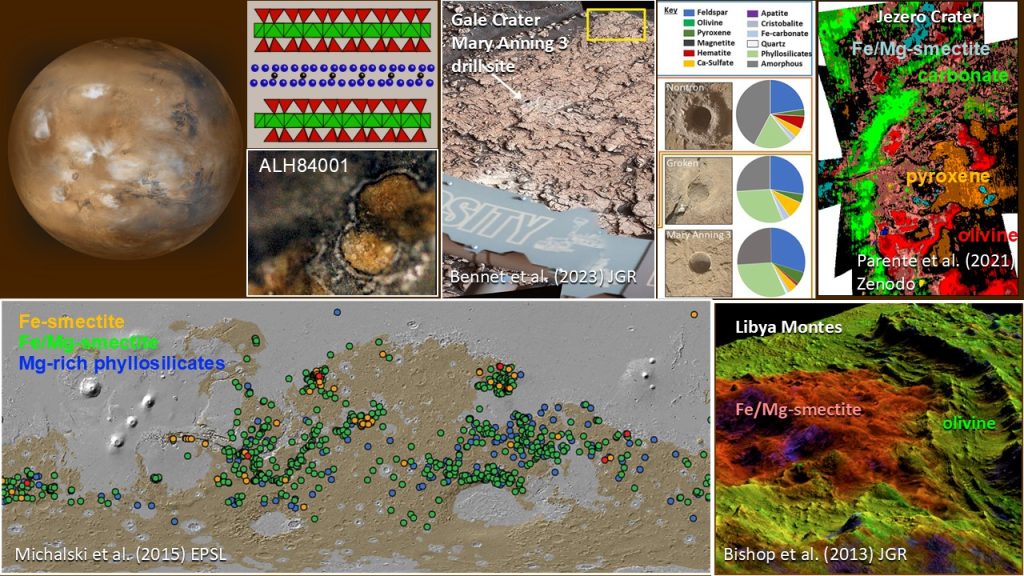
Identification and Characterization of Phyllosilicates on Mars and Other Planetary Bodies through Remote Sensing, Rover Instruments, and Analog Studies
Janice Bishop, SETI Institute, USA, [email protected]
Slávka Andrejkovičová, University of Aveiro, Portugal, [email protected]
Marco Ferrari, Istituto di Astrofisica e Planetologia Spaziali, INAF, Italy, [email protected]
Co-chairs: Janice Bishop, Katya Yanez
Phyllosilicates are significant markers of aqueous alteration on Mars and other planetary bodies, providing key information for constraining the ancient geochemical history of that planet. This session aims to discuss advancements in understanding martian phyllosilicate assemblages through investigations of orbital remote sensing, analyses of rover instrument data, and studies of terrestrial analog materials containing phyllosilicates. Smectites and other clay minerals are observed in a variety of locations on Mars, frequently associated with sulfates, iron oxides/hydroxides, or carbonates. Investigating these sites through orbital and surface missions provides information on the geochemical environments present during their formation and potential indicators of past habitability. Studies of phyllosilicates on Mars using orbital or rover data, geochemical modelling, and characterization of clay-bearing analogs or martian meteorites are encouraged. By integrating these methods, the session aims to deepen our understanding of the conditions that shaped clay mineral assemblages and their implications for Mars' habitability.
Advances in structural characterization of layered compounds
Bruno Lanson, Université Grenoble Alpes - CNRS, France, [email protected]
Toshihiro Kogure, University of Tokyo, Japan, [email protected]
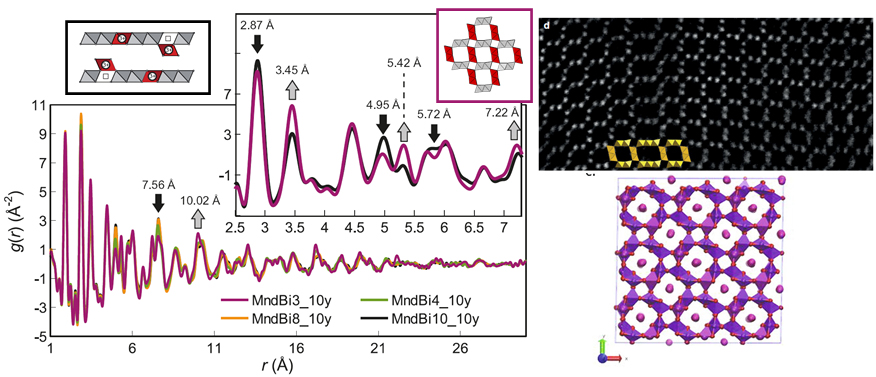
Over recent years, structural characterization of layered compounds has benefited from the development of new techniques, from the intrinsic evolution of commonly used techniques (TEM, XAS, XRD, PDF, FTIR, etc), and especially from improvements in quantitative methods of data analysis.
Significant progress also came from the combination of these experimental approaches allowing for a thorough characterization of complex and/or very defective lamellar structures, including natural materials and mixed-layered materials. Combination of experimental and computational approaches has also allowed enhanced data interpretation.
This session will be devoted to the advances in individual techniques, to new possibilities offered by their combination, and to the additional insights provided by computational approaches. New structural interpretations and insights into the formation and evolution of such materials in natural environments are also relevant. Materials of interest include, but are not limited to, phyllosilicates, layered oxides, layer double hydroxides, and layered compounds in general.
Clay Applications in Ceramics
Fernanda Andreola, University of Modena and Reggio Emilia, Italy. [email protected]
Fakher Jamoussi, Water Research and Technologies Center, Tunisia. [email protected]
Sonia Conte, Istituto di Scienza, Tecnologia e Sostenibilità per lo Sviluppo dei Materiali Ceramici-ISSMC, Italy, [email protected]
Clay minerals are essential for traditional ceramics, providing plasticity and workability in their green state, and supplying the oxides capable of facilitating structural changes during firing that enhance mechanical strength required in the technological applications. The global crisis is impacting the ceramic industry, affecting the supply chains of raw materials and increasing energy costs for tiles, bricks, sanitary and tableware. Manufacturers face challenges such as implementing energy-saving processes, sourcing materials locally, and finding substitutes for critical raw materials. The session will focus on different aspects of innovation in ceramic products and their industrial processes, the significant role of clays and clay minerals in production and advancements that could enhance the industry's sustainability and efficiency. Contributions are welcome on the following topics: Available clay resources in the world for the traditional ceramic industry; novel clay purification technologies for the ceramics sector; circular economy approaches in the ceramic industry, focusing on recycling and reusing material; LWAs suitable for the construction and agronomic sectors; advanced characterization techniques of ceramic materials; case studies between academia and industry to drive innovation in ceramic materials and technologies.

Materials via Ordered Interstratifications
Josef Breu, University of Bayreuth, Germany, [email protected]
Jon-Otto Fossum, Norwegian University of Science and Technology, Norway, [email protected]
Ordered mixed-layer materials with strictly alternating interlayers of hydrated and collapsed interlayers (R1) are known for a long time as the natural mineral rectorite. Rectorite, shows a regularly interstratified sequence of illite- and smectite-like layers. It is generally accepted that the regular alteration of hydrated and nonhydrated interlayers coincides with alternating pronouncedly different densities of interlayer cations. This interlayer ion variation in turn is thought to be the consequence of an ordered stacking of polar lamellae. Each 2:1 layer in the stack is identical and contains an aluminum-rich and an aluminum-poor tetrahedral sheet. With the emergence of melt-synthesized hectorites, first introduced by Corning, the number of reports of ordered interstratifications suddenly increased substantially. As hectorites resemble symmetric 2:1 layers, it became clear that the reason for the alternating densities of interlayer cations cannot be a polar structure. Ordered interstratifications are only known for clay minerals while offering a huge potential for appealing materials properties. Nanoparticles or hydrophobic dyes may be encapsulated between a silicate sandwich. They may be converted to Janus-platelets or to ferronematic or structurally coloured suspensions. Abstracts on any aspect of the work described above are encouraged.

Exfoliation of Clay Minerals – Key Route to Industrial Applications
Kirill Shafran, BYK Additives Ltd., Widnes, UK, [email protected]
Francis Clegg, Sheffield Hallam University, Sheffield, UK, [email protected]
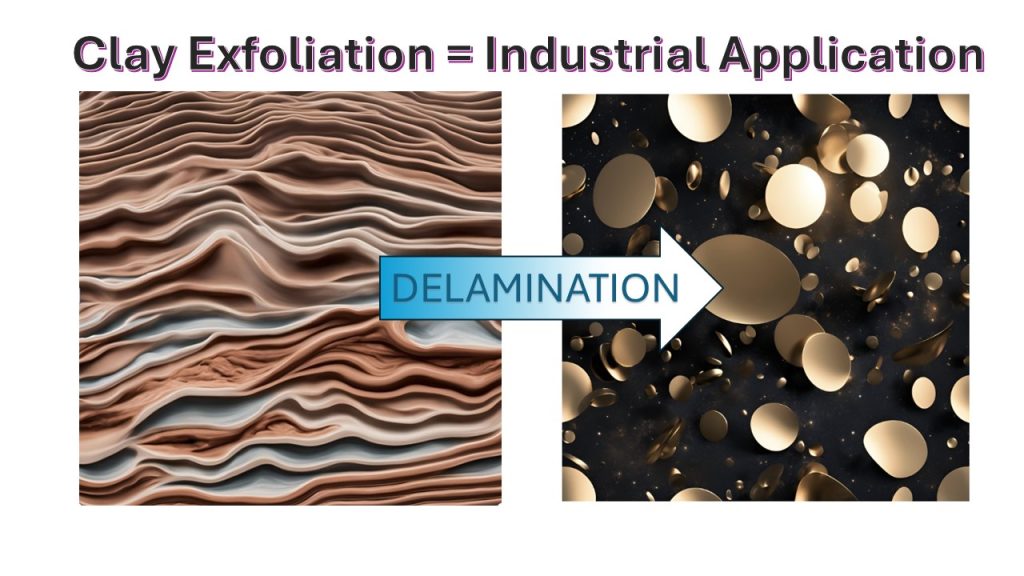
Layered clay minerals such as smectites have a unique property that determines many of their industrial applications – ability to exfoliate into single platelets in liquid medium. It is those highly anisotropic particles that enable a wide range of applications for synthetic and natural smectite clays. One needs to understand and control complex process of exfoliation of clay minerals. Despite numerous studies, there are some challenges remaining. These challenges include exfoliation of higher-charge layered silicates, delamination in difficult media and in the presence of other chemicals such as polymers. There are general guiding physicochemical principles enabling the control of exfoliation/delamination of clays in different systems. We will attempt to summarise and discuss these principles in this session.
Careful control of exfoliation leads to outstanding applications of clay minerals, with functional performance unmatched by other available technologies. Rheology is the obvious application for fully exfoliated clays, but there are many more uses, currently exploited or touted for the future. Biomedical applications, coatings and films, catalytic processes all benefit from controlled exfoliation. We shall highlight the connection between exfoliation and successful industrial applications in this session.
Intercalation: From Fundamental Insights to Practical Applications
Stanislav Jelavic, ISTerre, CNRS, France, [email protected]
Bruno Lanson, ISTerre, CNRS, France, [email protected]
The intercalation into clay minerals is a reaction with major environmental and industrial implications. Intercalation can transform the properties of both the clay mineral and the intercalated compound, creating composites with unique physical and chemical characteristics that differ from those of their original components. Intercalation is an essential reaction for, e.g., stabilisation or degradation of organic molecules in sediments, trapping gases in geological repositories, and enabling the controlled release of pesticides and pharmaceuticals. Despite substantial progress, many aspects of intercalation remain partially understood. Key challenges include deciphering the mechanisms, kinetics and the influence of molecular structure and mineral surface properties on intercalation. We welcome contributions that advance our understanding of clay minerals’ role in the stability and transformation of intercalated species, the evolution of composite properties, and the application of these insights to environmental science and industry. This session invites abstracts that explore mineral-compound interactions, illuminating mechanisms across life sciences, geological eras, and scales from molecules to systems, to advance our knowledge of intercalation processes.

Industrial Applications of Clays
George E. Christidis, Technical University of Crete, Greece, [email protected]
Stephan Kaufhold, BRG, Germany, [email protected]
Jon Phipps, IMERYS, United Kingdom, [email protected]
Prakash Malla, United States, [email protected]
Matthias Schellhorn, Stephan Schmidt Gruppe, Germany, [email protected]
Due to their unique physical and chemical properties clays find applications from traditional industries (papers, paints, ceramics, drilling, foundries, adsorbents etc) to high added value sectors (bionanocomposites, catalysis etc). The unique properties of clays stem from the particle size, shape and surface of clay minerals and underline the need for a multidisciplinary research approach with contribution from earth, environmental and soil sciences, chemistry, physics, material science, chemical engineering, pharmacology, toxicology and pharmaceutics and biological sciences. The industrial clays to be considered are bentonites, kaolins, sepiolite, palygorskite talc, mica, vermiculite and pyrophyllite and synthetic clay minerals like laponite. The session will present recent advances in the applications of industrial clays in front-line industrial sectors and will include:
- Characterization of industrial clays for traditional and high added value applications.
- Traditional applications of clays (paper and packaging, paints and coatings, rubbers and plastics, foundries)-ceramics metakaolin cement and concrete, changes in demand and application requirements.
- Polymer Applications: Plastics, Rubber, Adhesives
- Consumer, Agriculture and Adsorbent Applications.
- New and developing applications (barrier coatings, flame-retardants).
The session will not examine sealing high-level radioactive waste in repositories, which will be dealt with in a separate session.

Clay Minerals in Diagenetic and Low-Grade Studies: Implications for Resource Exploration and Sustainable Energy Development
Branimir Segvic, Texas Tech University, USA, [email protected]
Rafael Ferreiro Mählmann, TU Darmstadt, Germany, [email protected]
This session explores the critical role of clay minerals in diagenetic and low-grade metamorphic studies, with a focus on their applications in sedimentary basin exploration. Clays are sensitive indicators of diagenetic and low-grade conditions, making them essential for reconstructing thermal histories, fluid pathways, and burial processes. Presentations in this session will cover recent advances in mineralogical, geochemical, and isotopic methods used to characterize clay transformations in various sedimentary and low-grade environments. This session emphasizes how understanding clay mineral diagenesis informs exploration strategies for hydrocarbons, geothermal energy, and critical elements. With a deeper comprehension of clay diagenesis, industry practitioners can enhance predictions of reservoir quality, seal integrity, and the spatial distribution of economically viable resources. We invite contributions that integrate field studies, laboratory experiments, and modeling approaches to participate in this session. This session aims to advance the application of clay science in resource exploration and sustainable energy development.

Smectite Layer Charge and Interlayer Environment: Structure, Alteration, and Environmental and Technological Significance
Arkadiusz Derkowski, Instytut Nauk Geologicznych Polskiej Akademii Nauk, Poland, [email protected]
Eric Ferrage, CNRS Poitiers, France, [email protected]
Liva Dzene, Ecole Nationale Supérieure de Chimie de Mulhouse, France, [email protected]
Smectite and its interstratified varieties are abundant yet distinctive clay minerals that play a crucial role in numerous water-rock interactions and technological applications. The negative layer charge (LC) of smectite, generated by heteroatomic substitution in the octahedral and tetrahedral sheets, influences the mineral's expandability and the interlayer adsorption of various compounds. The amount and location of LC vary widely, determining the selectivity for cation adsorption, the distribution of cations within the interlayer, and numerous geochemical and petrophysical properties. Processes such as cation exchange, dehydration, rehydration, adsorption of organic compounds, and the fixation of interlayer cations—often followed by LC reduction and/or interlayer collapse—alter the properties of smectite, enabling new environmental interactions.
This session invites presentations on the principles of LC, methodologies for measuring LC, interlayer cation distribution, and the specific role of smectite LC in various technological and environmental reactions. The session will be run in conjunction with ‘Impact of temperature on bentonite barrier systems based on findings from in situ experiments in the context of radioactive waste disposal’.

Science and Engineering of Clays for Nuclear Waste Disposal
Marcelo Javier Sanchez Castilla, Texas A&M University, USA, [email protected]
Youjun Deng, Texas A&M University, USA, [email protected]
Ian C. Bourg, Princeton University, USA, [email protected]
Maria Victoria Villar Galicia, Centro de Investigaciones Energéticas, Medioambientales y Tecnológicas, Spain, [email protected]
David Schofield, Nuclear Waste Services, UK, [email protected]
Clays have paramount importance in the disposal of nuclear waste for both temporal storage and deep long-term geological repositories. Accurate description, monitoring, and prediction of clay's thermal, hydrological, mechanical, and chemical (THMC) responses to the dynamic environment in nuclear disposal require an in-depth understanding of the clay mineralogy, interfacial physics and chemistry, and engineering performances in both short and geological time scales. This session invites presentations on experimental testing and computational modeling of both natural and modified clays applied to nuclear waste disposal. Topics include reactions of clays with radionuclides and nuclear waste; clay hydro-mechanical properties in both short- and long-term contact with nuclear waste; mineralogical and surface chemistry evolutions of clays in a repository environment; damage, plasticity, stress, strain, and pressure responses due to thermal loading/unloading, water salinity changes; optimization of clay barrier materials; THMC and molecular-level modeling; and artificial intelligence applications.

Impact of temperature on bentonite barrier systems based on findings from in situ experiments in the context of radioactive waste disposal
Nadine Kanik, Institute of Geological Sciences Polish Academy of Sciences in Krakow, Poland, [email protected]
Reiner Dohrmann, BGR/LBEG, Hannover, Germany, [email protected]
Patrik Sellin, SKB, Stockholm, Sweden, [email protected]
Daniel Svensson, SKB, Oskarshamn, Sweden, [email protected]
Disposal concepts for high-level radioactive waste in crystalline rock rely on the isolation of conditioned radioactive waste from the environment by means of engineered barriers which fulfil the requirements of a multi-barrier system. In the context of the planned industrialisation of radioactive waste disposal, concepts are revised with respect to "thermal optimization of the repository" which means the maximum temperature loading of bentonite buffer material at the interface with the canisters and host rock. Over the last two decades, valuable information was gained by in-situ experiments in different rock laboratories. Set-ups were i) full-scale such as prototype repository (PR), FEBEX, PRACLAY, or HotBent, or ii) intermediate-scale such as for LOT, ABM, FE, ACL. This workshop aims at deepening discussions over ½ or ¾ day and seeks contributions to help further understand the effects of different temperatures (below and above 100°C) on bentonite buffer materials. Contributions focused on mineral transformation, physiochemical processes, interfacial interactions, and other processes related to the performance of bentonite barriers are welcome.

Panel-led discussion: Questions concerning clay minerals in radioactive waste disposal
Early Career Scientists:
Karolina Rybka, Polish Academy of Sciences, Poland ([email protected]);
Theresa Hennig, GFZ, Germany ([email protected])
Ian C. Bourg, Princeton University, USA [email protected]
Francis Claret, BRGM, France [email protected]
Arkadiusz (Arek) Derkowski, Polish Academy of Sciences, Poland [email protected]
Rainer Dähn, PSI, Switzerland [email protected]
Youjun Deng, Texas A&M University, USA [email protected]
Reiner Dohrmann, BGR/LBEG, Germany [email protected]
Steve Hillier [email protected]
Miroslav Honty, SCK-CEN, Belgium [email protected]
Olivier Leupin, Nagra, Switzerland [email protected],
Mika Niskanen, Posiva Oy, Finland [email protected]
Simon Norris, NWMS, UK [email protected],
Marcelo Javier Sanchez Castilla, Texas A&M University, USA [email protected]
Tsutomu (Tom) Sato, Hokkaido University, Japan [email protected],
Torsten Schäfer, University of Jena, Germany [email protected]
David Schofield, Nuclear Waste Services, UK, [email protected]
Patrik Sellin, SKB, Sweden [email protected]
Daniel Svensson SKB, Sweden [email protected]
Maria Victoria Villar, CIEMAT, Spain [email protected]
Hailong Wang, University of Tokyo, Japan [email protected]
During the ICC conference, two sessions will seek contributions to many aspects of clay mineralogy in the application of storage of high-level radioactive waste. Large international projects and national radwaste programs from a number of countries have gathered huge amounts of knowledge over several decades of clay research. Traditionally, keynote lectures have aimed to convey this knowledge to a broader audience interested in this application of clay science. The session convenors were convinced that interdisciplinary understanding of open key questions with respect to long-term barrier performance including alteration/ degradation or any kind of understanding processes related to clay minerals may be better understood using a different means of communication in clay science: A paned-led discussion.
This session seeks 2-minute presentations which raise open questions, not necessarily providing answers but showing which steps have already been completed, resulting in open questions, and leaving these questions to be answered by the audience. Each presentation will be followed by a 3–5-minute discussion. We expect interdisciplinary discussion with answers or ideas/impulses from colleagues either involved in clay-radwaste or studying different applications in clay science.
Session chairs will evaluate the ‘2-minute abstracts’ after receiving all “abstracts” and select those with the greatest potential for fruitful discussion during the oral part of the session. Further questions will be dealt with during the poster session for the radwaste topics. This poster session will also be operated in discussion mode. [Note to those who are interested: submit your abstract in the usual format, using the conference abstract template. You will be allowed to use up to 3 powerpoint slides to go with your ‘question presentation’.]
Motivation: Project partners in radioactive waste disposal in in situ experiments typically meet for 1- to 2-day workshops based on Underground Research Laboratory (URL) projects typically with just 20–30 participants. Discussions with ICC organisers have suggested that it would be useful to organise a paned-led discussion plus poster session. Two regular clay-radwaste sessions with talks possibly filling half or three-quarters of a day could be run as consecutive block finishing with this ‘panel-led session’, with scope for it to include the essential discussion/networking aspects. Why? A workshop like this would allow clay scientists to obtain and impart insights about these projects that are usually not open for such discussion (and including scientists from various universities etc). We hope to create something new and allow the ‘non-radwaste community’ to learn, on one hand, and bring their interdisciplinary ideas on the other.
Clay Mineral-Based Catalysts for Environmental Engineering and Chemical Processes
Ambra Maria Fiore, Università degli studi di Bari, Italy. [email protected]
Alfin Kurniawan, Zhejiang University of Technology, Hangzhou 310032, China. [email protected]
Chun Hui Zhou, Zhejiang University of Technology, Hangzhou 310032, China. [email protected]
Clay minerals with inherent layered structure, porosity, reactive edge surfaces, and tunable interlayer spacing offer potential opportunities for developing low-cost and efficient catalysts for environmental engineering and various chemical processes. Research on clay-based catalysts and catalysis has grown considerably in recent years toward promoting socio-environmental sustainability, as well as sustainable production of fuels and commodity chemicals. Moreover, advances in the computational and machine learning methods have pushed forward the discovery and new design of improved clay mineral-based catalysts for novel catalytic processes. Aiming to promote clay-based catalysis science and technology, this session welcomes original contributions related to the following topics, including but not limited to: Design and modification aspects of clay minerals as catalysts; Clay mineral-based catalysts for converting biomass feedstock; Clay mineral-based catalysts for removal of pollutants; Clay mineral-based catalysts for decomposing volatile organic compounds (VOCs); Clay mineral-based catalysts for new energy; Characterization techniques for molecular-level understanding of catalytic active sites on clay mineral surfaces; Rational and computational design of clay mineral-supported single-atom and multifunctional catalysts.
Greenhouse Gas Remediation
Jon Otto Fossum, Norwegian University of Science and Technology, Norway, [email protected]
Josef Breu, University of Bayreuth, Germany, [email protected]
Heloisa Bordallo, University of Copenhagen, Denmark, [email protected]
The ability of clays to adsorb and store gases, including CO2 has encouraged significant scientific interest which has highlighted their potential application in CCS technologies, including ‘direct air carbon capture and storage (DACCS) and ‘Bioenergy with carbon capture and storage’ (BECCS).
Smectite type clay minerals, with their large effective surface area and dense 2D porous structure, can physically adsorb CO2 molecules in their interlayers. This CO2 intercalation process can be enabled by incorporating certain cationic pillars that increase the interlayer gaps sufficiently to allow for CO2 entry, and these pillars can be chemically functionalized to enhance further the CO2 uptake. This combination of controlled physical pillaring and chemical functionalization can also enable gas separation, for instance separation of CO2 from methane, using clay minerals.
Certain clay minerals can promote chemically reactions with CO2. Thus, stable carbonate minerals can be formed using for instance illite, or conversion of CO2 to clean flues can be achieved using for instance montmorillonite.
In summary, clay minerals offer a promising avenue for mitigating greenhouse gas emissions. However, further research is needed to fully understand the underlying mechanisms and optimize their performance. Additionally, economic and environmental factors must be thoroughly considered to ensure the feasibility and sustainability of such clay-based technologies. Contributions on any aspect of this research area are encouraged.

Fundamentals of Tubular Nanoclays
Nia Gray-Wannell, The James Hutton Institute, UK. [email protected]
Giuseppe Cavallaro, The University of Palermo, Italy. [email protected]
Eirini Siranidi, National Hellenic Research Foundation, Greece. [email protected]
Aasim Shaffi, University College London, UK. [email protected]
Milan Pšenička, Charles University, Czech Republic. [email protected]
Pooria Pasbakhsh, University of Melbourne, Australia. [email protected]
Yafei Zhao, Zhengzhou University, China, [email protected]
Mingxian Liu, Jinan University, China, [email protected]
Scientific and industrial interest in tubular nanoclays, e.g. halloysite and imogolite, has increased dramatically in recent years due to their potential in a myriad of technological applications. Many of the tubular nanoclay deposits can be distinguished by the varying features of their nanoclays, highlighting the need to understand their fundamental features, behaviours and properties prior to application.
The proposed session aims to focus on the fundamental characteristics of tubular nanoclays. We welcome presentations which address, but are not limited by, the following topics: Use of analytical techniques such as XRD, FTIR, electron, neutron and muon sources, amongst others, to study the varying features, properties and behaviours of tubular nanoclays; Use of high-resolution imaging, e.g. AFM, TEM, SEM for studies of the surface and surface reactions of tubular nanoclays; Investigations of colloidal stability and rheological behaviour of tubular nanoclays; Use of thermal analysis techniques, such as calorimetry and thermogravimetry, to study the thermodynamic properties of tubular nanoclays; Computational studies which explore the tubular nanoclays from an atomistic level.

1D Nanoporous Clay Materials and Their Industrial Applications
Peng Yuan, Guangdong University of Technology, China. [email protected]
Pilar Aranda, Materials Science Institute of Madrid (ICMM), Spain. [email protected]
Antoine Thill, CEA Saclay, France. [email protected]
Giuseppe Lazzara, University of Palermo, Italy. [email protected]
Lala Setti Belaroui, University of Oran 1, Ahmed Ben Bella, Algeria. [email protected]
Pooria Pasbakhsh, University of Melbourne, Australia. [email protected]
Yanfu Wei, Macau University of Science and Technology, China. [email protected]
Guanzheng Zhuang, Guangdong University of Technology, China. [email protected]
This session will focus on research dealing with the properties and applications of tubular and fibrous 1D nanoporous clay minerals and materials, including halloysite, palygorskite, sepiolite, and imogolite. The unique nanostructures, large surface area, and multifunctionality of these minerals make them ideal for many applications. Halloysite's nanotubular structure makes it suitable for drug delivery and polymer nanocomposites. Its ability to encapsulate molecules makes it useful for slow-release fertilizers, corrosion inhibitors, and bioactive agents. Palygorskite and sepiolite, with fibrous morphology, have high thermal stability and adsorption capacity, making them useful in environmental remediation and chemical engineering. Imogolite is finding new applications in water filtration, energy storage, and optoelectronics. Understanding the mineralogy, structure, and intrinsic properties of these clay minerals is critical for tailoring them to meet specific industrial requirements. Therefore, this session aims to bring together active researchers to share the latest advances in the functionalization and applications of 1D clay minerals, encouraging interdisciplinary collaboration in fields like materials science, nanotechnology, and environmental protection, and driving innovation by leveraging the potential of these clay minerals across various cutting-edge industries.

Multiscale Computational Modeling of Clay-related Materials and their Fluid Interfaces
Xiandong Liu, Nanjing University, China, [email protected]
Andrey G. Kalinichev, Subatech, France, [email protected]
Chris Greenwell, Durham University, UK, [email protected]
Detailed knowledge of the properties and behavior of clay-fluid interfaces is crucial for many natural and technological processes controlling mineral weathering and dissolution/precipitation, fate of contaminants in soil and water, long-term stability of geological nuclear waste repositories, unconventional hydrocarbon exploration, geological carbon sequestration, underground gas storage, etc. Fundamental molecular-scale understanding of the physical and chemical phenomena controlling all these processes is essential. Complementary to experimental studies, computational modeling methods are increasingly used in the clay research community to address these issues.
We invite contributions on all aspects of computational modeling of clay materials and their aqueous and non-aqueous fluid interfaces using diverse range of computational methods from quantum ab initio, to force field based molecular simulations (including classical, reactive, machine learning), to larger-scale coarse-grained approaches, etc. Contributions developing new modeling technique, bridging different time and length scales and making direct links between computer simulations and molecular scale experimental studies, such as synchrotron X-ray, neutron scattering, and other advanced surface sensitive techniques are especially strongly encouraged.

Nanoelectronic and Nanophotonic Applications
Jon Otto Fossum, Norwegian University of Science and Technology, Norway, [email protected]
Raphaela de Oliveira Gonçalves, LNLS/CNPEM, Brazil, [email protected]
Ingrid David Barcelos, LNLS/CNPEM, Brazil, [email protected]
Alisson Ronieri Cadore, LNNano - CNPEM, Campinas, Brazil, [email protected]
Ultrathin field-effect transistors, photodetectors, memory devices, optical modulators, and multifunctional devices based on 2D materials are key for future hybrid electronics and nanophotonics. For transition from proof-of-concept to industrial applications, the scalability of 2D-based nanoelectronic devices require sustainable and low-cost materials. Clay minerals emerge as attractive candidates for next generation of layered materials in nanoelectronic and nanophotonic applications due to their sustainability, wide availability, and structural diversity.
Clays are typically large band gap insulators that can be exfoliated down to monolayers. Nanosheets of clays can be tuned by ionic substitutions or by adjusting the stacking arrangement of their layers, allowing for tailoring of their electronic, optical, and mechanical properties. It is possible to modify clays with different interstratified species, such as molecules, cations, and other nanomaterials like graphene in the van der Waals gap, making them interesting platforms for cation exchange or the assembly of complex van der Waals heterostructures.
A deep understanding of these features is essential to unlocking the full potential of clays by identifying the eventual influence of heterogeneities on their specific properties, thus enabling their manipulation and tailoring for particular 2D technological applications.

Properties and Applications of Novel Smart Clay, LDH and Clay-related Nanomaterials
Erwan Paineau, CNRS/UPSaclay, France. [email protected]
Yusuke Ide, Yokohama National University, Japan. [email protected]
Nobuyoshi Miyamoto, Fukuoka Institute of Technology, Japan. [email protected]
Vanessa Prévôt, Université Clermont Auvergne, France. [email protected]
The session is intended to be a forum for the latest research on clay minerals and related low-dimensional nanostructures with advanced electronic, photo/optic, and mechanical functions. Whether in lamellar or tubular form, clay and clay-related nanomaterials (including LDH, imogolite, titanates) are still investigated as catalysts and as relevant supports; however, thanks to an increase in available materials (e.g., layered zeolite) and progress in synthetic techniques including nanostructuration, the design of catalytic architectures has become more sophisticated for better performances. Thanks to successful macroscopic self-organization of exfoliated nanosheets and tubules into liquid-crystal mesophases, the design of functionalities has become more diverse. Combined with progresses on characterizations and calculation techniques, the understanding of the relationship between the nanostructures (formation) of materials and these functionalities has also been deepened. In this framework, this session aims at the discussions on the following themes:
Synthesis and electronic, photo/optic, and mechanical properties; Advanced characterization techniques including in situ/operando characterization and theoretical studies; Multi-scale ordering of clays and related nanostructures; Photo/electro/catalytic (battery, supercapacitor, fuel cells…) optical device applications.

Clays in Geotechnics – Problems and Applications
Michael Plötze, ETH, Zurich, Switzerland. [email protected]
Claudia Vitone, DICATECh, Politecnico di Bari, Italy. [email protected]
Bharat Venkata Tadikonda, Indian Institute of Technology Guwahati, India. [email protected]
Rossella Petti, DICATECh, Politecnico di Bari, Italy. [email protected]
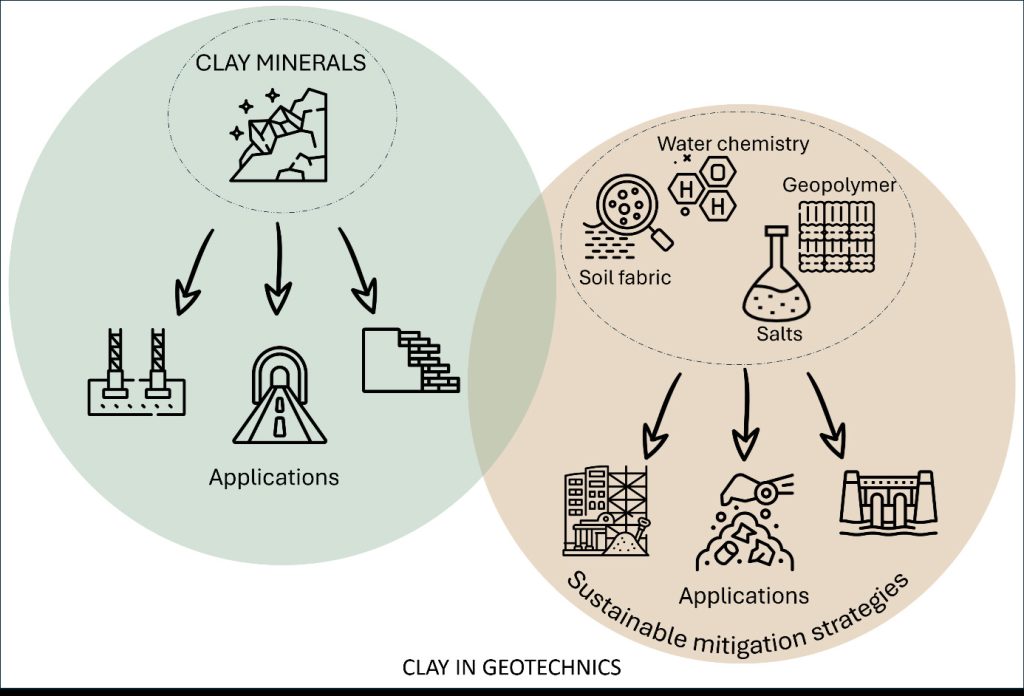
Clays and clay minerals are crucial in geotechnical engineering due to their unique properties, which significantly influence soil behaviour. These properties can be both beneficial but also problematic in applications like foundation engineering, tunnelling, and environmental barriers. Furthermore, the geotechnical properties of clay soils are variable, affected by pore water chemistry and changes in soil fabric. This variability can pose challenges, such as in hydraulic barriers, e.g. in waste disposal, but also allows for targeted property modifications using materials like salts or polymers to related geotechnical application parameters, e.g. in construction engineering and tunnelling. Additionally, issues like pollution's impact on geotechnical sediment properties and the stability of tailing dams highlight the need for sustainable mitigation strategies.
Contributions to this broad field from characterisation to modification of clays and mitigation procedures in geotechnical and geo-ecological applications are welcome.
Advances in Calcined Clays as Supplementary Cementitious Materials in Blended Cements
Karen Scrivener, EPFL, Switzerland. [email protected]
Shashank Bishnoi, IIT Delhi, India. [email protected]
Alastair Marsh, EPFL, Switzerland. [email protected]
Reducing the embodied carbon of cement and concrete is a major challenge to achieving net-zero anthropogenic carbon emissions. Calcined clays have been used in cementitious materials since the early 20th century, but have recently received much more attention given their effectiveness to replace clinker in blended cements. Nonetheless, there remain numerous outstanding scientific questions and industrial challenges for the adoption of calcined clay blended cements. To facilitate design of reliable and robust systems, we need to improve understanding of the processing-structure-properties-performance relationships between: the mineralogy and chemistry of clays, calcination conditions, the structure and reactivity of calcined clays, and the workability and strength development of calcined clay blended cements. This session welcomes advances in the use of calcined clays in blended cements, including (but not limited to): understanding the reactivity of calcined non-kaolinitic clays, interactions between clay minerals and associated minerals during calcination, controlling the rheology of calcined clay blended cement pastes using admixtures, and practical experiences of different calcination processes.

Sustainable and eco-friendly clay-based materials
Nathalie Fagel, University of Liège, Belgium. [email protected]
Meriam El Ouahabi, Ecole Supérieure des Arts Saint-Lu, Belgium. [email protected]
As the demand for sustainable construction and manufacturing materials rises, clay-based materials have emerged as a promising solution due to their abundance, recyclability, and low environmental impact. This session will focus on the development, applications and performances of clay-based materials within a framework of sustainability. Topics will include the use of natural clays and modified clay composites in construction, and the environmental benefits they offer. Participants will gain insights into the properties and performances of these materials in terms of thermal, mechanical and/or durability characteristics. Case studies and real-world applications will be presented to highlight the practical implications and benefits of these materials in reducing environmental impact and promoting sustainability. Special attention will be given to the reduction of energy consumption during production processes, the potential for carbon sequestration, and the reuse of waste materials in clay-based products. The session will bridge the gap between research and industry by presenting cutting-edge innovations and encouraging interdisciplinary collaboration.

Mechanical and Mechano-chemical Activation of Clays
Ilda Tole, University of Bath, UK. [email protected]
Susan Bernal, University of Bath, UK. [email protected]
Alastair Marsh, EPFL, Switzerland. [email protected]
Xinyuan Ke, University of Bath, UK. [email protected]
Matej Balaz, SAS, Slovak Republic, [email protected]
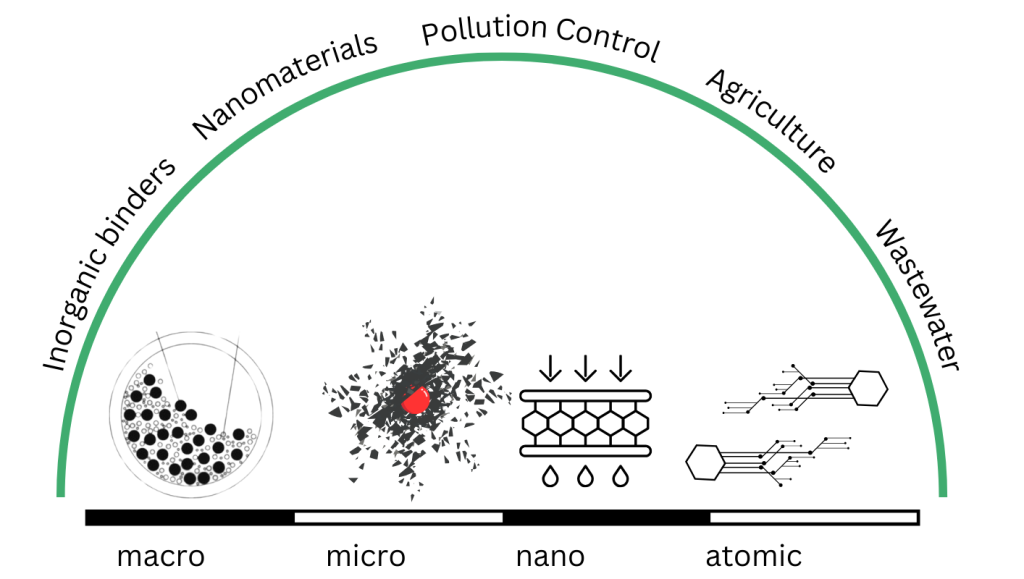
Mechano-chemical activation is a process in which high-intensity grinding induces structural and property changes in materials. In the case of clay minerals, this high energy grinding can induce amorphization, Al surface enrichment, alterations in surface hydroxyl groups and O-Si-O structure, and a significant increase in specific surface area. The different effects of this process on clay minerals have attracted increasing research interest across numerous applications. A session in this topic could gather contributions from different research areas such as: • inorganic binders (Portland cement replacement, alkali activated systems, etc.) • nanomaterials synthesis, • pollution control, • slow-release fertilizer and other agriculture uses, • removal of pathogens and heavy metals from groundwater, • fluoride sorption in drinking water, • intercalation of organic molecules, etc. These applications highlight the process's potential in addressing environmental and industrial challenges. However, there are many open questions, including: understanding the underlying mechanisms, as well as the behaviour of different clay minerals; kinetics of the reactions during and after grinding; in-situ monitoring of the changes in clay mineral structure during the mechanical treatment; understanding the embodied energy of mechano-chemical activation; scaling up beyond lab-scale processes.
Synthesis of geo-inspired clay minerals and associated hybrids
Pierre Picot, CEA Paris-Saclay, France. [email protected]
Sabine Petit, Université de Poitiers, France. [email protected]
Liva Dzene, Université de Haute-Alsace, France. [email protected]
Vanessa Prévot, Institut de Chimie de Clermont-Ferrand, France. [email protected]
Chun-Hui Zhou, Zhejiang University of Technology, China. [email protected]
Hongping He, Chinese Academy of Sciences, China. [email protected]
Makoto Ogawa, VISTEC, Thailand. [email protected]
Antoine Thill, University Paris-Saclay, France. [email protected]
Kirill Shafran, BYK Additives Ltd., Widnes, UK, [email protected]
Jocelyne Brendlé, Université Haute-Alsace, France, [email protected]
Clay minerals, including layered double hydroxides, belong to the family of versatile 2D nanomaterials. Their synthesis has developed concomitantly with the progress of study and knowledge about naturally occurring clay minerals and have enabled a deeper understanding of the geological process. In addition, geo-inspired synthetic clay minerals offer new opportunities for designing layered solids with tailored properties and widening applications. The field has seen the emergence of new experimental tools (cryo-microscopy, synchrotron techniques…). Artificial intelligence and machine learning techniques carry the promise of accelerating discoveries.
Reproducing natural pathways of clay formation can be prohibitively expensive from industrial standpoint, as they require immense time scales and energy. Intelligent reaction design enabled by deep understanding of underlying clay formation mechanisms together with advanced process technologies will result in economically feasible routes to synthetic clay production.
This session will bring together research teams active in bottom-up syntheses of clay mineral and hybrids (excluding modifications of natural minerals). We will welcome abstracts on: *Synthesis methods *Hybrids derived from synthetic clay minerals *Tools for accelerating the understanding of synthesis and structure of synthetic clay minerals (AI, ML). *Numerical tools (DFT, MD). *Coupling of experiments and calculations at different scales, to suggest new and optimized synthesis strategies.
*New theories (thermodynamics, statistical physics, nanomechanics, etc.) aiming at shedding light on the formation mechanisms.

The Role of Clays in Human Health and Biomedical Sciences
Cesar Viseras, University of Granada, Spain. [email protected]
Saverio Fiore, Italian National Research Council, IMAA, Italy. [email protected]
Serena Riela, University of Catania, Italy. [email protected]
This session invites innovative and multidisciplinary studies focused on the use of clays, both natural and modified, with direct or indirect implications for human health. We welcome contributions exploring aspects of the interaction between clays and biological systems, including studies on how clays interact with cells, tissues, and biomolecules, as well as their potential use in the design of medicinal products, medical devices, and biomaterials. Another important area of interest involves the use of clays in agriculture, where they can play a critical role in improving soil quality, promoting plant health, and, indirectly, enhancing food security and human nutrition. Additionally, this session will explore the growing use of clays in the food and cosmetic industries. We invite contributions that analyze the effectiveness of these applications and their impact on human health. We welcome both theoretical and experimental studies, as well as applied research and case studies, that can help deepen our understanding of the benefits of clays and their broad potential for improving human well-being.

Clay Materials in Healthcare Technologies
Huaming Yang, China University of Geosciences, Wuhan, China. [email protected]
Menghan Yu, China University of Geosciences, Wuhan, China. [email protected]
Hao Wang, China University of Geosciences, Wuhan, China. [email protected]
Clay minerals are increasingly used in healthcare technologies due to their unique properties and versatility. Their applications span drug delivery, hemostasis, anti-inflammatory, tissue engineering, and antimicrobial therapies, supported by attributes such as chemical stability, biocompatibility, and modifiability at the atomic-molecular level. Nanoclay, in particular, can be engineered to optimize drug adsorption and controlled release, enhancing therapeutic outcomes. The surface and interlayer properties of clay minerals also allow customization for specific biomedical applications, including targeted delivery and tissue repair. Moreover, interactions between clay minerals and biomolecules influence drug stability, release kinetics, antimicrobial efficacy, and tissue regeneration. Despite these advancements, optimizing the performance of clay materials in healthcare applications remains a significant challenge. This study investigates the key properties and biosafety of clay minerals, providing a strategic framework for their integration into advanced healthcare applications, such as diagnostics, therapeutic delivery, and regenerative medicine.

Navigating the Regulatory Landscape in the Global Clay Industry
Roger Doome, European Bentonite Association, [email protected]
Noémie Elleboudt, IMA-Europe, [email protected]
Andy Price, Sibelco, [email protected]
The global clay industry operates within an evolving and complex regulatory framework, influencing production, product safety, environmental impact, and market access. This symposium invites presentations exploring how companies engage with regulatory challenges, share common practices, and develop strategies to ensure compliance while fostering innovation. Topics may include navigating international standards, addressing environmental and safety regulations, adopting sustainable practices, and preparing for future regulatory shifts. Contributions from industry leaders, policy experts, and researchers are welcome to spark dialogue on shared experiences and forward-looking approaches shaping the regulatory landscape of the clay industry.

Joint sessions 38+42: Chemical reactions with clay minerals: implication for environmental challenges and remediation strategies
Emmanuel Tertre, Université de Poitiers, France, [email protected]
Valentin Robin, Université de Limoges, France, [email protected]
Thorsten Schaefer, Friedrich Schiller University Jena, Germany, [email protected]
Anke Neumann, PSI, Switzerland, [email protected]
Binoy Sarkar, University of South Australia, Australia, [email protected]
Jonathan Suazo Hernandez, Universidad de la Frontera, Chile, [email protected]
Chemical reactions operating at the clay/water interface, for example dissolution/precipitation, ion exchange and surface complexation, can affect individual particle’s properties as well as the properties of clayey porous media. At the scale of individual particles, affected properties may be the crystal chemistry, morphology, or surface properties, while at the scale of porous media, the spatial organisation of the particles in the compacted system may be impacted. These modifications, of biotic or abiotic origin, can, in turn, strongly alter the hydration, mechanical, chemical, and transport properties (of both gas and/or liquid) of these porous media. These alterations have also been utilised in natural and engineered environments for contaminant remediation or (waste)water treatment, not least because clays and clay minerals are inexpensive and occur ubiquitously across the world.
This session focusses on studies devoted to the unique surface properties and (redox) reactivities of natural clays and clay minerals, as well as their interactions with other environmentally relevant components such as microorganisms, natural organic matter, or non-clays/clays minerals. Studies combining experimental and simulated data using different numerical models, at scales from the individual particle to the porous media, as well as recent advances in using non-modified clays and clay minerals for the remediation and treatment of legacy and emerging contaminants such as persistent organic compounds and metals/metalloids will be presented.

The Role of Minerals and Mineral weathering in Carbon Sequestration in Soils
Balwant Singh, University of Sydney, Australia, [email protected]
Georg Guggenberger, Leibniz Universität Hannover, Germany, [email protected]
Ines Mulder, Ruhr-Universität Bochum, Germany, [email protected]
Robert Mikutta, Martin-Luther-Universität Halle-Wittenberg, Germany, [email protected]
Katharina Lenhardt, Martin-Luther-Universität Halle-Wittenberg, Germany, [email protected]
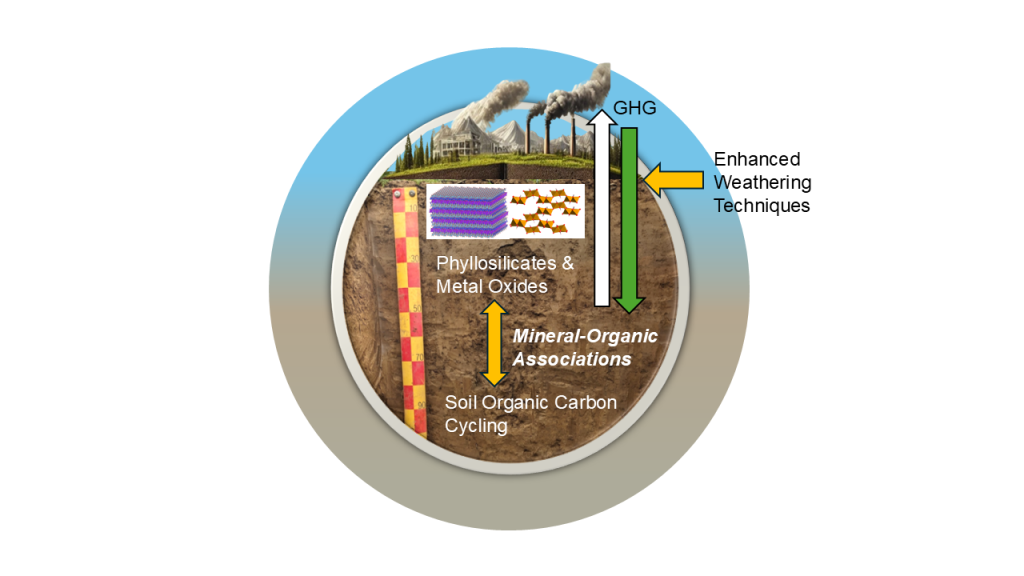
Soils the largest terrestrial carbon (C) reservoir and thus have a significant influence on global C cycle. Recent developments emphasize the role of phyllosilicates, pedogenic oxides, poorly crystalline aluminosilicates and redox active metals in stabilizing organic C in soils. In addition, enhanced rock weathering (ERW) a developing technology, which involves land application of crushed rock such as basalt to capture CO2 from the atmosphere, has gained significant attention and it has been suggested that ERW technology can make a significant contribution to climate change mitigation.
The objective of this symposium is to provide a forum to review the role of soil minerals in the context of climate change. The symposium will bring together key papers on this subject including an invited presentations that will provide an overview on the topic. We will expect contributions on climate-induced accelerated weathering of soil minerals; soil organic matter preservation (and associated processes and mechanisms) in association with different minerals; efficiency of enhanced rock weathering for carbon sequestration under different environmental conditions and other related topics in the symposium. It will provide a platform to exchange updates and novel research on this topic and stimulate discussion for future research directions.
Clays in Mining
Heather Kaminsky, Northern Alberta Institute of Technology, Canada. [email protected]
Andrew Vietti, Vietti Slurrytec, South Africa. [email protected]
Daniel Dodoo, University of Melbourne, Australia. [email protected]
Clays can cause issues in both underground and surface mining, ranging from challenges around mine stability, from mining to mineral processing and tailings management, and finally challenges in returning the land to a desired end state. This session invites topics related to clays in mining, mineral processing, and tailings management, from studies on how various clays could be used to find a resource to studies on how different clays impact a mining operation. Papers on improved techniques in characterising, understanding, and predicting clay behaviours in all mining operations are also encouraged. Finally, we welcome papers explaining the role of clay in geotechnical and geochemical properties that may be relevant in reclaiming a mine site.

Clays and Climate: Past, Present, Future
Pete Ryan, University of Vermont, USA, [email protected]
Elisa Laita, Univ of Jaén, Spain, [email protected]
Blanca Bauluz, Univ of Zaragoza, Spain, [email protected]
Clays and related minerals are intimately connected with climate, from applicability to paleoclimate analysis to their burgeoning role in carbon sequestration for climate mitigation. Marine or terrestrial sediments and paleosols often contain clays or hydroxides and related minerals that preserve signals of past climates, thus enabling interpretation of ancient Earth or Martian environments. The clay mineralogy of modern soils varies as a function of climate, and knowledge of how soils clays respond to climate change will be essential in adapting to increasingly extreme weather. There is pressing need to transfer carbon from atmosphere to soils or lithosphere and clays and related minerals will play a significant part in carbon sequestration (negative emission technologies); for example, soil clays with high surface area have the potential to sorb carbon sequestered in soils, and the reactivity and hydraulic conductivity of clays in sedimentary basins will influence the stability of CO2 fixed into the lithosphere. Modified or synthetic clays may also factor into engineering solutions. Accordingly, this session seeks submissions that focus on clays and their association with climate, from paleoenvironmental analysis to modern and future climate change.

Clay Minerals and Soil based Ecosystem Services
Ranjan Paul, ICAR-National Bureau of Soil Survey and Land Use Planning, India, [email protected]; [email protected]
Raj Mukhopadhyay, ICAR-Central Soil Salinity Research Institute, India; Present address: Carnegie Mellon University, Pittsburgh, USA, [email protected]
D.K. Pal, ICAR-National Bureau of Soil Survey and Land Use Planning, India, [email protected]
Clay minerals provide and maintain soil ecosystem services and balance due to their unique properties, such as high specific surface area cation exchange capacity, multiple functional groups, and high-water retention capacity. They also enhance soil fertility, nutrient use efficiency and support plant growth through retention and slow release of essential nutrients. Water retention capacity of clay minerals improves soil moisture retention capacity which is vital for sustaining plant growth during drought condition. Clay minerals bind with soil organic matter, prevent its decomposition and sequester carbon in soils, contribute to regulate greenhouse gas emission and climate change mitigation. Naturally available clay minerals and their modifications with organic surfactants, polymers, inorganic salts, bio-wastes (kitchen waste, sludge, crop residues, etc.) and microorganisms play crucial role in soil, wastewater and groundwater remediation through adsorption and degradation. These important roles of clay minerals in environmental remediation, enhancing soil quality, supporting soil biodiversity, and promoting sustainable agriculture highlight their importance for environmental sustainability and food security. Therefore, clay minerals are essential in maintaining ecosystem balance and providing critical services for both natural environments and human well-being. We encourage submissions from the broad community on all of aspects detailed above.

Synthesis and Applications of Modified Clays in Environmental Remediation
Bhabananda Biswas, University of Newcastle, Australia, [email protected]
Bénédicte Prelot, Institut Charles Gerhardt Montpelier, France, [email protected]
Laurence N. Warr, University of Greifswald, Germany, [email protected]
Himanshu Yadav, Indian Institute of Technology, India, [email protected]
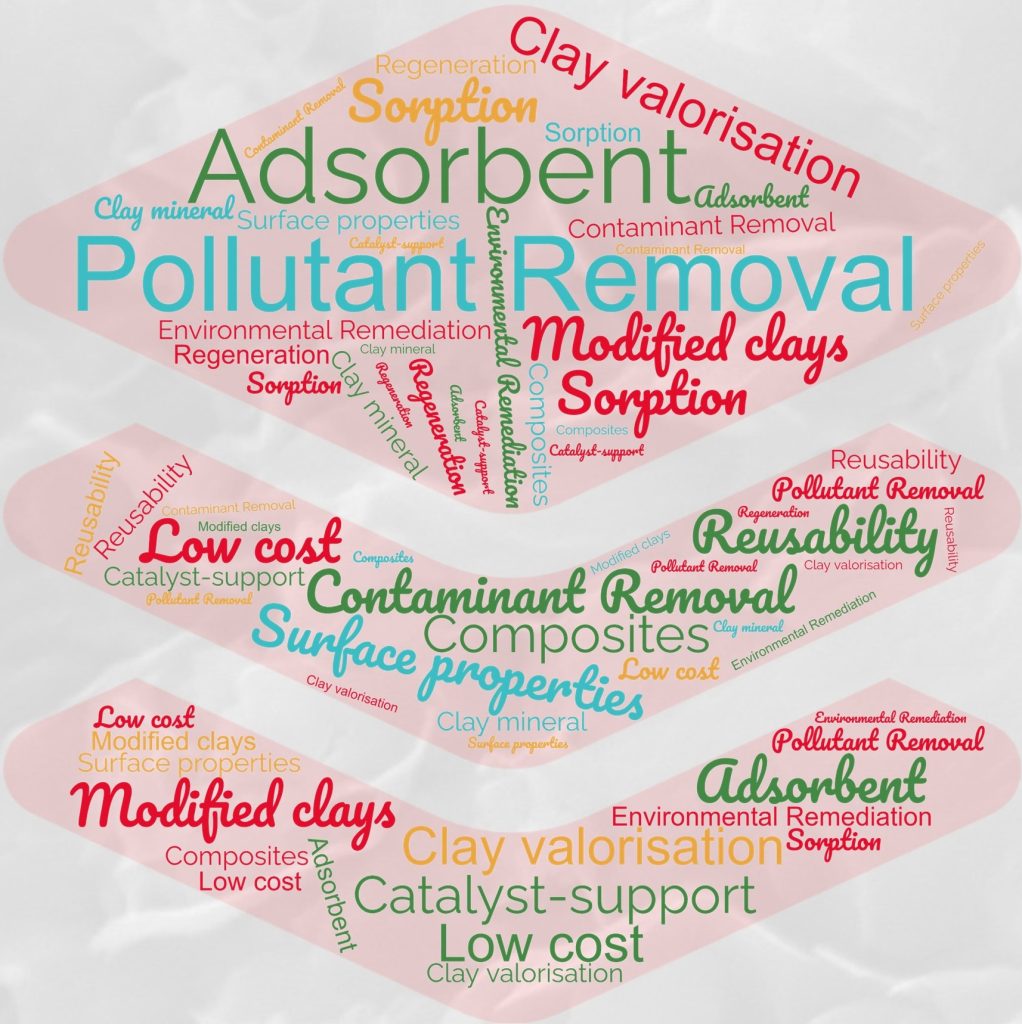
Clay minerals are abundant in soil, sediment, and rock on the Earth's surface and brittle upper crust. They are functional materials increasingly used to develop diverse new applications. These minerals can adsorb a wide range of substances, including environmental contaminants and decontaminating agents (e.g., catalysts). To achieve effective contaminant remediation, raw clay may require modification. This includes heat, acid or alkali activation, use of surfactant, cation saturation and pillaring. These modifications can also be used to develop polymer and other bio-nanocomposites and nanomaterials hybrids. Real-world contaminants are complex, with emerging pollutants and high costs further complicating remediation. Therefore, understanding the precise mechanisms of specific contaminant removal remains important. Key research aspects include low-cost synthesis of modified clays, the surface and charge properties of them, mechanism of the adsorption and catalytic degradation of pollution. In the wake of sustainability, it is also important to consider the low chemical footprint of synthesizing modified clays. If effective, these materials should also be evaluated for reusability, regeneration, and nontoxicity. This session aims to showcase cutting-edge analytical, experimental, and modelling studies to identify the most efficient modified clays for remediating inorganic, organic, or mixed pollutants and their transport in Earth surface environments.
Analytical Challenges in the Clay Industry
Alex Newns, Imerys Minerals Ltd, [email protected]
Francisco de Juan, Tolsa, [email protected]
Ingeborg Pensis, Sibelco, [email protected]
The clay industry faces a diverse range of analytical challenges that require innovative solutions to ensure product quality, regulatory compliance, and sustainable practices. This symposium invites presentations on the latest developments and methodologies addressing critical analytical issues, including but not limited to: determination of asbestos in clay products, characterization and quantification of nanomaterials, measurement of soluble aluminum, quantification of particles less than 10 µm, and analysis of less-crystalline or amorphous materials. Contributions highlighting novel approaches, emerging technologies, or case studies in tackling these and other relevant challenges are encouraged. Join us in fostering cross-disciplinary dialogue to advance analytical capabilities in this vital industry.

Studying the Mineralogy of Clays to Meet the Current and Future Challenges of the Critical Zone
Fabien Hubert, IC2MP-HydrASA Team, France, [email protected]
Qian Fang, China University of Geosciences, Wuhan, China, [email protected]
Artur Kuligiewicz, Institute of Geological Sciences, Polish Academy of Science, Poland, [email protected]
Urmi Ghosh, James Hutton Institute, UK, [email protected]
Qi Tao (Guangzhou Institute of Geochemistry, Chinese Academy of Science, China) [email protected]
Clay minerals are ubiquitous in the critical zone. They play an essential role in the various cycles associated with the zone (water, carbon, nutrients, etc.), which are at the core of today's and tomorrow's challenges, such as water resources, food supply and soil erosion.... The description of clay mineralogy has progressed considerably in recent years, both in terms of refining the identification of clay minerals and our ability to quantify and spatialize them, from microscopic to regional scales. This session aims to bring together contributions that demonstrate the benefits of describing the clay mineralogy of the critical zone to improve our understanding of the mechanisms of today's major challenges and/or to improve decision-making. We invite contributors whose studies focus on the identification and/or quantification and/or spatialization of the mineralogy of clays in the critical zone, whatever the spatial scale of investigation, and whose topics address the major challenges of preserving resources and/or providing solutions to environmental threats in the critical zone.

Interactions of Iron-rich Clays and Iron Oxides with Organics and Heavy Metals: Implications for Iron/Carbon/Metal Cycling
Thomas L. Gout, Peking University, China, [email protected]
Yandi Hu, Peking University, China, [email protected]
Hailiang Dong, China University of Geosciences, China, [email protected]
Interactions between organics/metals and phase assemblages of iron mineral weathering products, such as iron-bearing clays and (oxyhydr)oxides, can influence the cycling of iron, metal contaminants, and carbon. This includes interactions occurring homogeneously with dissolved organics/metals and heterogeneously at solid-liquid interfaces, such as at soil surfaces. During such processes, organic matter can control the kinetics of iron coprecipitation with metals and the products of transformation, whilst adsorption and redox reactions with iron-bearing phases can control organic matter degradation and metal immobilization. Here, this session aims to facilitate discussions of recent advances in our understanding, both mechanistic and applied, of interactions between organics/metals and iron-rich weathering products, including clays and related iron (oxyhydr)oxides, and the associated behavior of contaminants, nutrients, and carbon during these processes. Contributions may include field studies investigating iron-rich clay or (oxyhydr)oxide-organic-metal interactions; studies that aim to elucidate the mechanisms underpinning these interactions or understand such interactions in specific or idealized environments; nanoscale studies at solid-liquid interfaces; the influence of pore or confined environments; or studies of isotope fractionation during these organic/metal interactions.

HOW TO BE A GOOD REVIEWER: PANEL DISCUSSION
"How to Be a Good Reviewer?"
Have you ever wondered how the reviewing process is organized and how to become a reviewer yourself? Maybe you've been invited to review a paper for the first time and are unsure where to begin or what to include in your review. Perhaps you’ve received a very valuable review of your own paper and would like to learn how to provide the same experience to others. Or maybe you’ve encountered unhelpful reviewer comments and want to know how the quality of reviews can be improved.
Come and join us for this early-career clay scientist event!
The session will begin with an introduction featuring tips from Kevin Murphy on the topic: "How to Be a Good Reviewer." It will be followed by brief presentations of the journals Clay Minerals, Clays and Clay Minerals, and Applied Clay Science by their Editors-in-Chief. The discussion will continue with the Editors of the three journals, focusing on what helps journal editors decide whether to accept a paper for publication. The panel discussion will be moderated by Liva Dzene, Chair of the AIPEA ECCS Committee.
WHEN : Friday, July 18th at 14:00
WHERE : Emmett Lecture Theatre
