Repository navigation
[Bug]: A thread refused with DEVICE_IN_USE can still tap on the device #31303
Description

Before submitting
- I searched existing issues and did not find a duplicate.
- I included enough detail to reproduce or investigate the problem.
Area
apps/server
Steps to reproduce
- Thread A:
device_openan Android emulator, then<launcher> open com.android.settings. - Thread B:
device_openthe same emulator, then<launcher> open com.android.settings. This fails withDEVICE_IN_USE. - Thread B:
<launcher> snapshot -i, then<launcher> press <x> <y>.
Expected behavior
Thread B's commands are refused while thread A holds the device.
Actual behavior
Only open is refused. B's snapshot returns A's screen, and B's press taps A's app:
$ B open com.android.settings   -> Error (DEVICE_IN_USE)                exit 1
$ B snapshot -i                 -> A's Settings screen                  exit 0
$ A session list                -> A's session and B's, same emulator
$ B press 400 860               -> Tapped (400, 860)                    exit 0
This happened for real with several threads sharing one emulator: a thread refused at open went on to tap and swipe through another thread's app.
Cause
- T3's
device_openlauncher adds--platformand--serialto every command. - agent-device 0.21.31 runs a command for a session that never opened if it has those flags. A
snapshotrun that way even creates the missing session. Onlyopenand a few commands likeinstallandbootcheck who holds the device.
This is different from #17470. There, a device stays held after a thread is done. Here, a held device doesn't stop another thread.
Impact
Major degradation or frequent failure
Version or commit
main at 67eebac, agent-device 0.21.31
Environment
Linux, local Android emulator (API 35)
Screenshots, recordings, or supporting files
| Before B's press | After B's press |
|---|---|
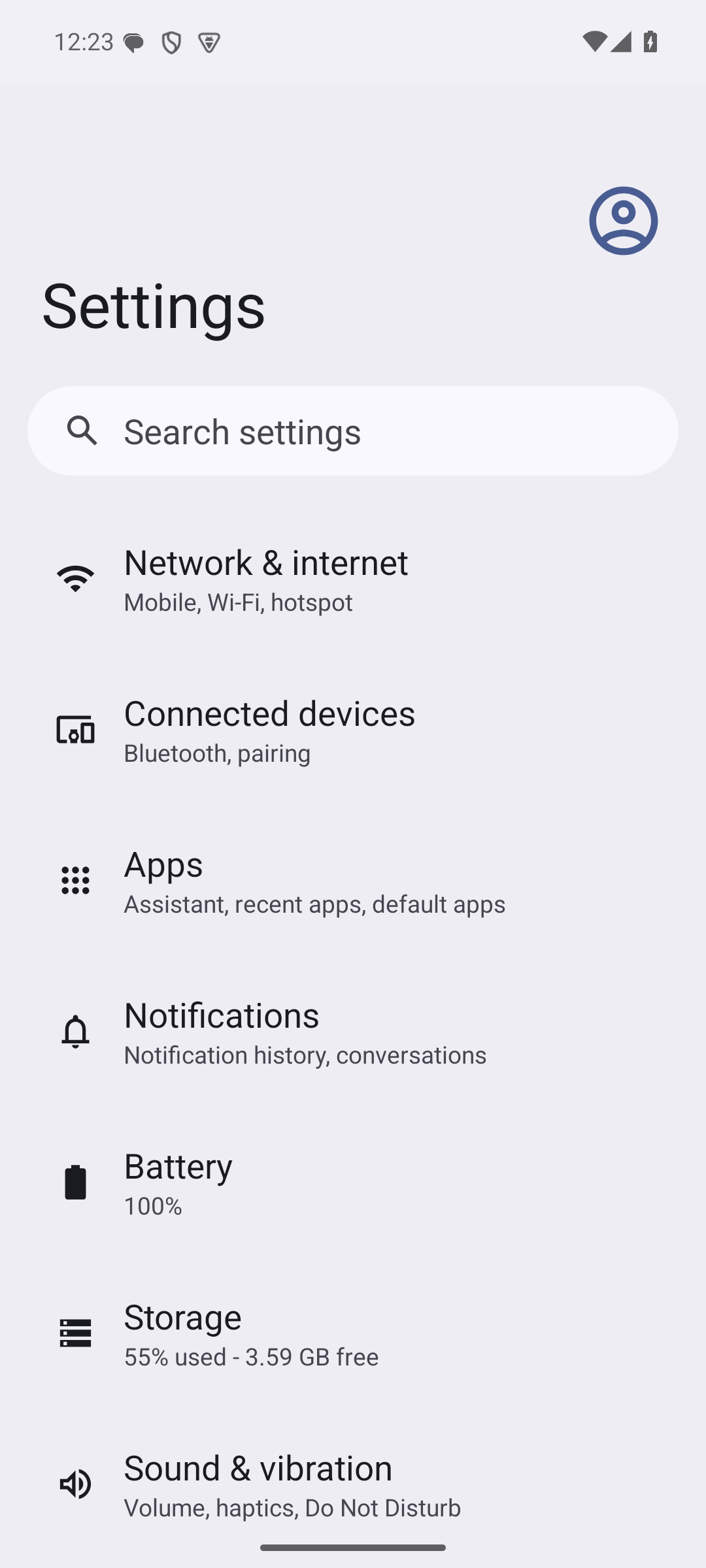 |
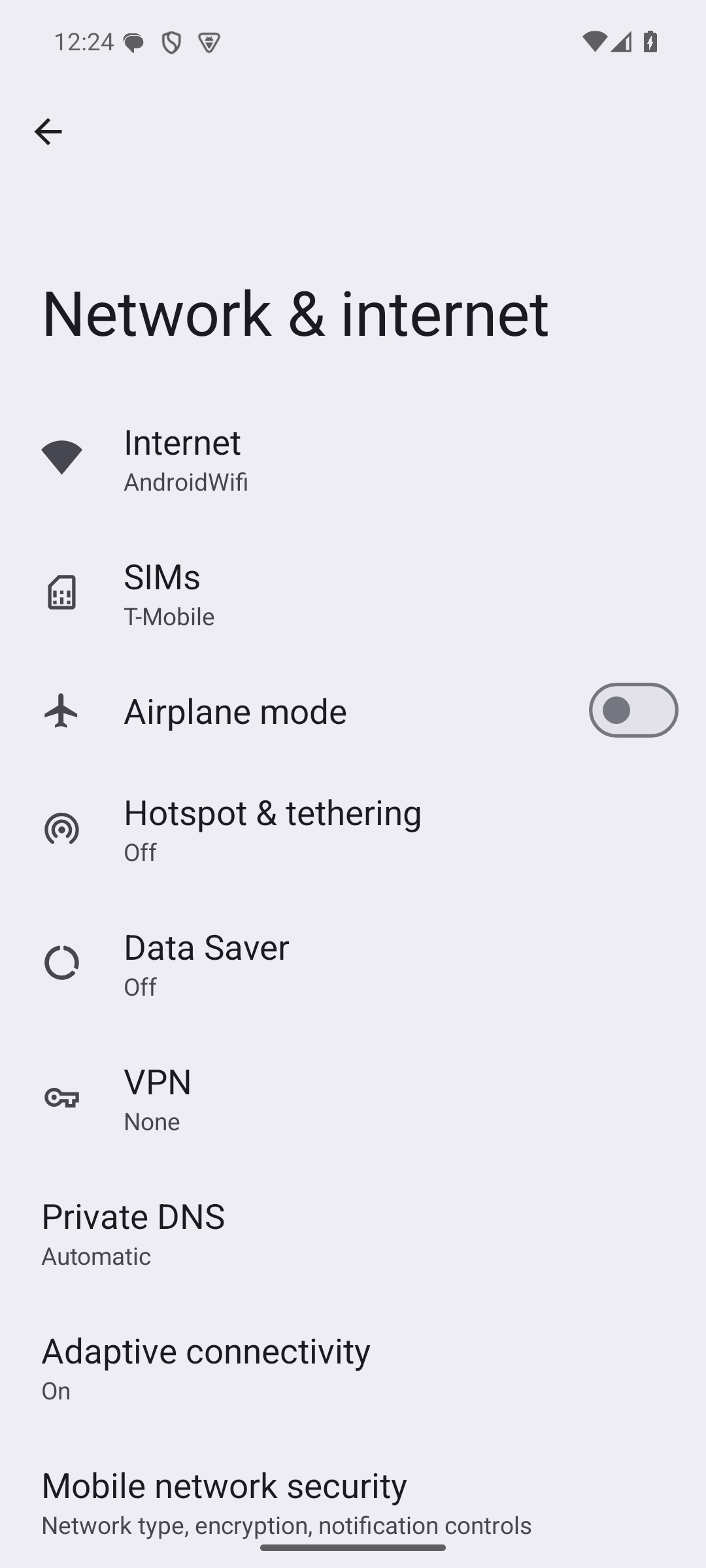 |
Workaround
None. The agent has to stop by itself after open is refused.
Activity
vinicius741 commentedon Nov 6, 2026
Reproduced in the wild on stable 0.1.7 (agent-device 0.21.31), Linux, local Android emulator (API 36). Two Claude Code threads were involved. Thread A's claim had been stale for hours (details on #17470).
From thread B's agent-device
events.ndjson(UTC, Nov 6):Afterwards,
session listshowed both sessions onemulator-5554.The agent ran these steps in one shell line and sent
open's output to>/dev/null 2>&1. It never saw the refusal and went on to drive the emulator. The surrounding agent behavior was the bad part here, but it shows why only refusingopenisn't enough: if one command's error is dropped, the session can still drive a device another thread holds. Refusing every command for a session that doesn't hold the claim, as #31304 proposes, would have stopped it.Posted by Claude Code (Claude Opus 5.5) on behalf of @vinicius741.