


Education for a Better World
Issue: 27 | September 15, 2026
From the Editors
At a time when our world is changing at a breathtaking pace, the question of how we educate our children takes on new urgency. That is why we decided to dedicate this issue to exploring what it means to educate for a better world. What do we truly need in order to meet an uncertain future? How can education provide not only the knowledge and skills we need, but also the deeper gifts, capacities, and sense of purpose that will carry us forward?
We spoke with three remarkable educators and visionaries who each offer a unique perspective on what it might mean to educate for a better world.
Flowing into a Better Future is an interview with Jocelyn Stevenson, who has spent more than fifty years creating groundbreaking media for children, from Sesame Streetand Fraggle Rock to The Magic School Bus. She reflects on the power of storytelling to awaken curiosity, wonder, and connection, and shares how these same principles have found new expression in her recent book series: The Waterubas Through the metaphor of water, she invites children to experience themselves as part of a living, interconnected world and to discover the possibility of meeting life with greater openness, fluidity, and trust.
Love Each Child into Being is an interview with Phil Moore, who spent forty-three years as director of Upland Hills School in Michigan, and offers a compelling vision of what he calls a love-based education. Rather than ranking, judging, and comparing children, he believes education should protect, nourish, and nurture the unique genius within each child. His work challenges us to imagine schools less as institutions and more as villages of beauty, trust, cooperation, creativity, and deep human relationships where every child can feel seen, heard, honored, and loved.
The Heart of Education is an interview with Michael Meade, who talks about insights from his new book The Heart of Transformation and brings the perspective of a mythologist and storyteller to the question of education. He reminds us that the original meaning of education is “to lead out,” suggesting that the deepest purpose of education is to draw forth the genius already present within each young person. He speaks about the importance of story, mentorship, rites of passage, and elders in helping young people discover who they are and what they have come to give. At a time of profound cultural uncertainty, he suggests that the dreams and gifts of the young may contain precisely what our world needs in order to renew itself.
Our featured artist for this issue is Brian Froud, the internationally renowned fantasy artist and illustrator whose extraordinary work has helped bring imaginary worlds and their inhabitants to life for generations. Brian created the original artwork for Jocelyn Stevenson’s book series: The Waterubas, giving visual form to these mysterious beings made of water. His art is a fitting complement to an issue devoted to education because it reminds us that imagination and wonder are essential ways of knowing.
Together, these conversations show us that educating for a better world is not simply about preparing children to succeed in the world as it is. It is about helping young people become fully themselves so that they can participate in creating the world that is still waiting to emerge.
We hope you enjoy the issue.

Editor
Jeff Carreira

Editor
Chandra Edwards
Editor
Robin Beck
Features
- /
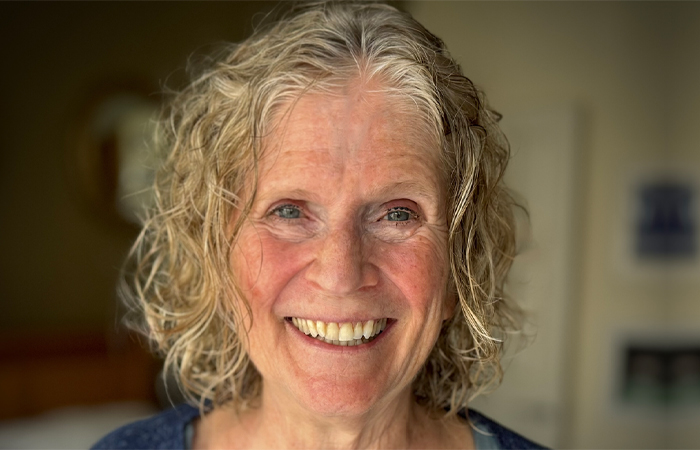
Flowing into a Better Future
Interview with Jocelyn Stevenson by Robin BeckIn this interview with Robin Beck, Jocelyn draws on that lifetime of experience and on her own practice of somatic embodiment to explore what it really means to educate a child not just in facts, but in wonder, connection, oneness, and the courage to flow with what cannot be controlled.
- /
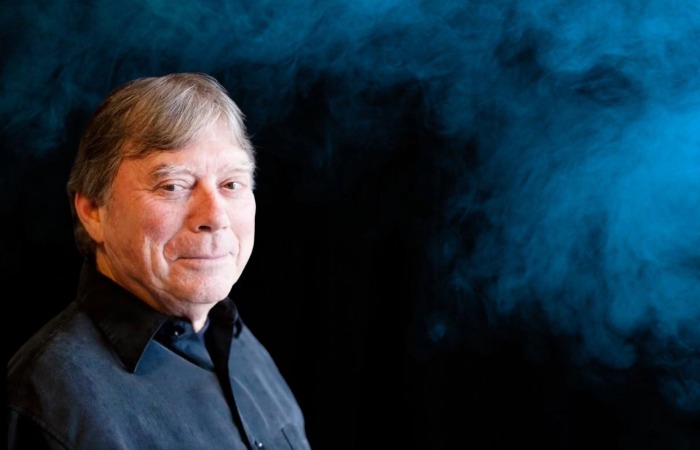
The Heart of Education
Interview with Michael Meade by Robin BeckMichael Meade is a mythologist, storyteller, and author who has spent five decades translating myth, folktales, and depth psychology into a practical set of guidance for individuals and communities in crisis. In this interview with Robin Beck, Michael reflects on education as a “leading out” of each person’s inborn genius, the vanishing rites of passage that once carried the young into adulthood, and what it might mean to reawaken elders and mentors in a culture that has largely forgotten them. Michael articulates a vision of humanity’s transformation not as something to fear, but as the very nature of the soul, and of the world we are all being called to help renew.
- /
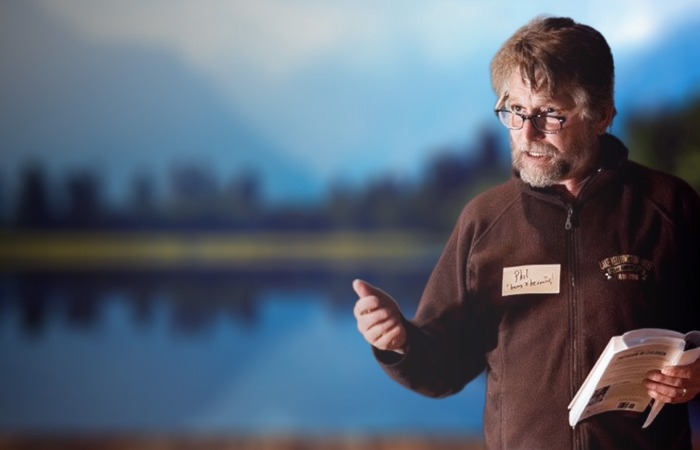
Love Each Child into Being
Interview with Phil Moore by Chandra EdwardsIn this conversation with Chandra Edwards, Phil Moore traces that philosophy from Upland Hills’ earliest, chaotic years through a remarkable, decades-spanning story of how it found its way to a new school on the Pine Ridge Reservation. Their conversation explores what education for children can be like when each child is treasured for their innermost being, and how one school can become an inspiration for another, stitching magical connections together across time.
- /
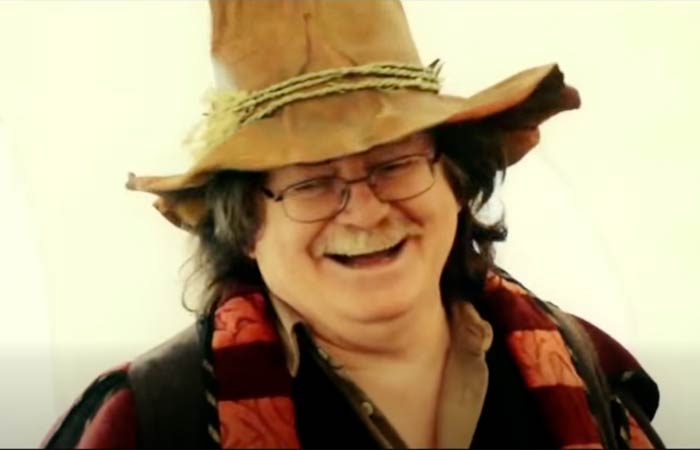
Brian Froud
by The Artist of PossibilityBrian Froud has created some of the most respected and highly acknowledged folklore/mythic artwork of our time. In the 1970’s, he and Jim Henson collaborated to create The Dark Crystal and Labyrinth. With over thirty books in publication and over eight million books sold to date, Brian continues to discover and visually manifest transdimensional worlds today.
From our Members
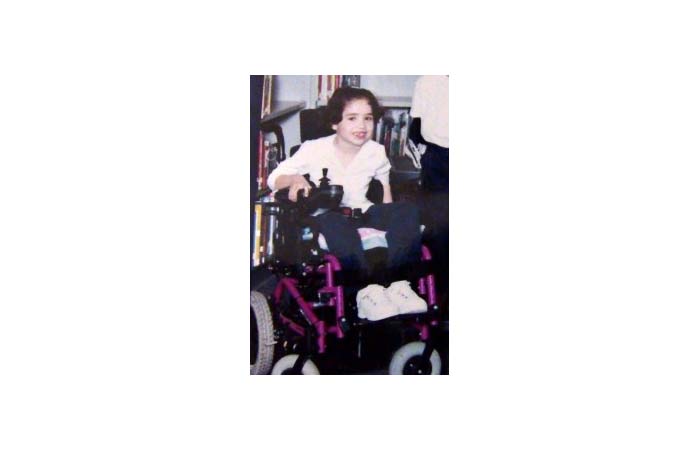
Earth Angel
by Joy Rigberg
The year was 2004. I was working as a first-grade bilingual teacher at Cartwright Elementary School in Phoenix, Arizona. I was informed that I had...
Education for Our Future
by Onia Wellman
When I attend social gatherings with parents of young children, the parents often ask me what I might suggest as the best early childhood education...
The Bridge Goes Both Ways
by Adriana Colotti Comel
What if one of the capacities we most need to educate for today is the capacity to encounter another world without either conquering it or...
The living me’ka’n’iks of/as consciousness
by Supriya Kini
E’D’YOU’KA’TE. Look closely at the word itself and we begin to sense the nature of its being: I am that which is densifying, appearing, drawing...
The Mirror
by Judith Marsden
Education is the process through which human beings acquire and share knowledge, skills, values, wisdom, and habits. While it is commonly associated with schools, colleges,...