-
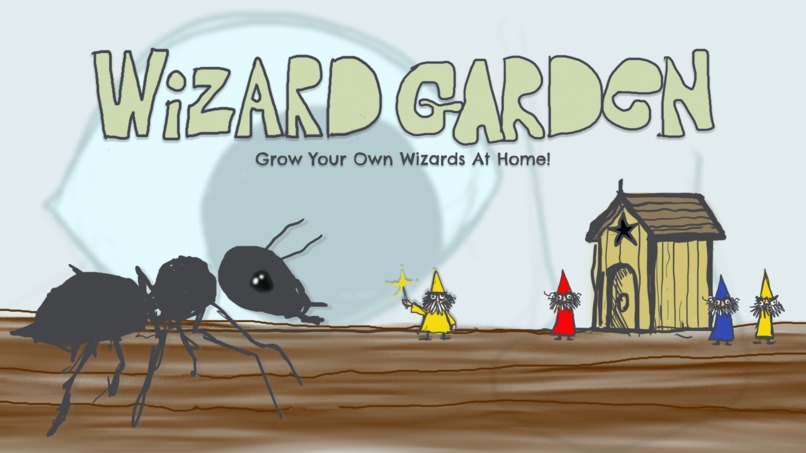
Wizard Garden
-
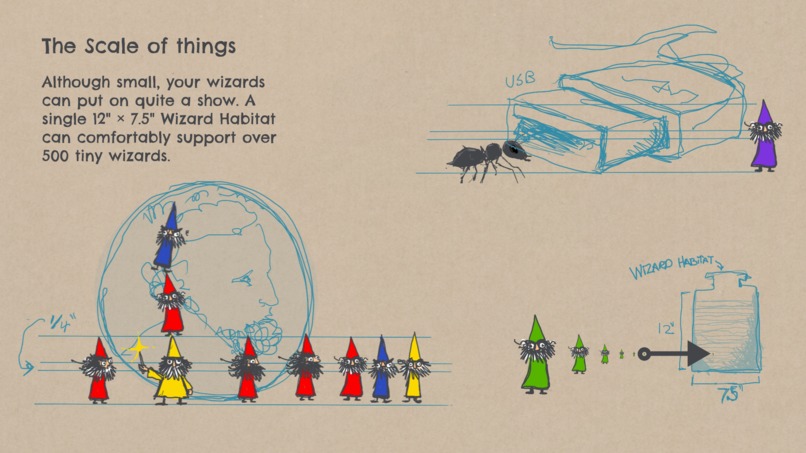
Sizes Matters
-
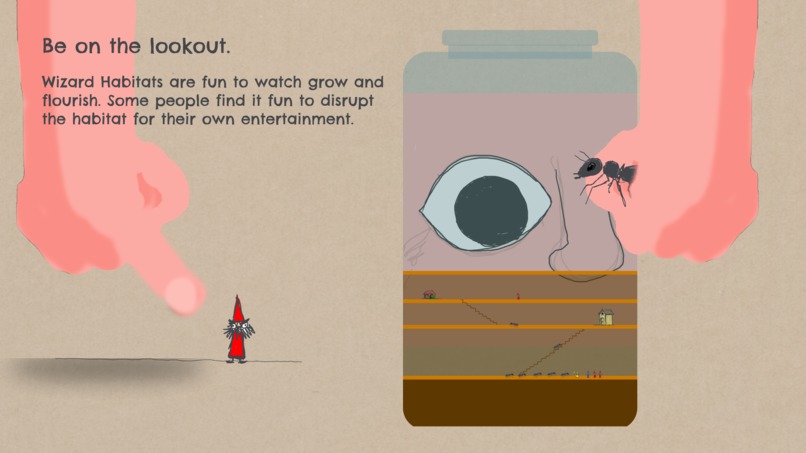
That kid is trouble!
-
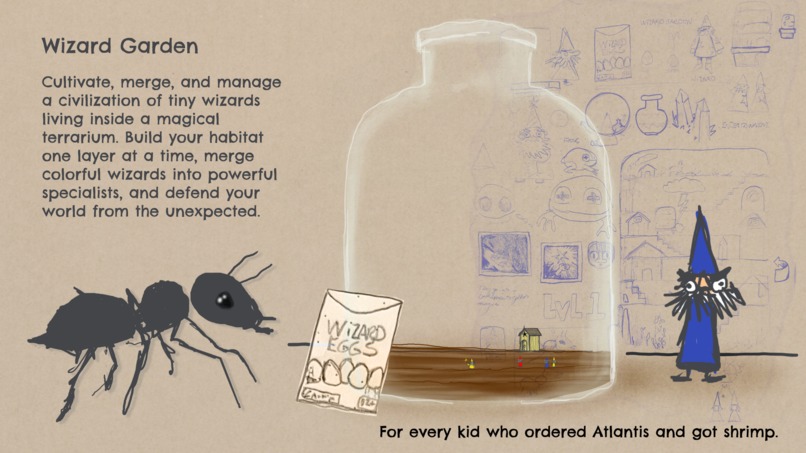
The small world we imagined.
-
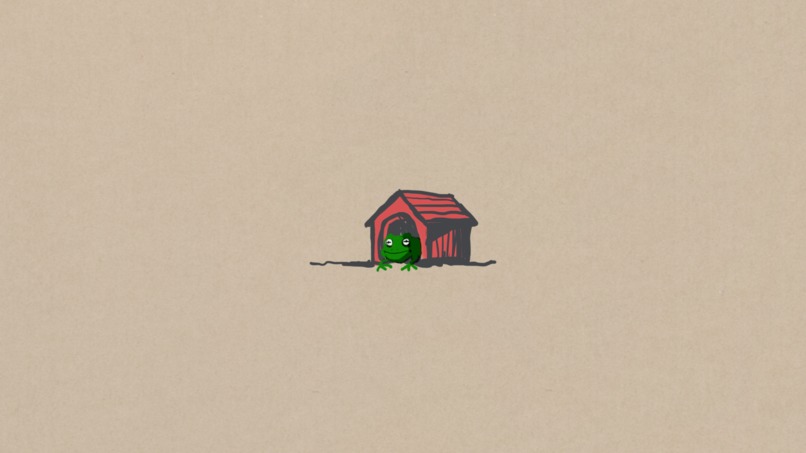
Frog House


Inspiration
Wizard Garden was inspired by the wonder of Sea Monkeys, ant farms, doll houses, and cozy strategy games. I wanted to capture the feeling of watching a tiny civilization grow inside a container while adding the tension and decision making of a strategy game.
I was fascinated by the idea that giant children observing the terrarium could unknowingly shape the fate of the tiny wizards living inside. The goal was to create a game that feels whimsical, surprising, and full of discovery.
What it does
Wizard Garden is a mobile strategy game where players cultivate, merge, and defend a civilization of tiny wizards growing inside a magical terrarium. Players hatch new wizards, discover combinations through merging, defend against threats introduced by curious children, and expand their settlement over time. As players progress, they unlock the Wizard Cottage, a mysterious cosmic realm where experimentation, planning, and magical discovery continue beyond the physical bottle.
How we built it
Wizard Garden was developed as a pre-production design project. I recently have been applying the Harada Method (or my version of it) to game design. It’s been extremely helpful for me to identify, discover and execute on ideas. Wizard Garden is the strongest of game concepts that I explored using this process.
My tendency is to design with emotion first and then build an experience around that.
I focused on defining the player journey, progression systems, core loop, retention hooks, and visual identity. The design combines elements of tower defense, management, and collection games into a single experience centered around wonder and discovery. Hand-drawn visual exploration, world building, and system design were used to communicate the vision and create a clear production plan.
Challenges we ran into
One of the biggest challenges was balancing multiple genres. Wizard Garden contains elements of strategy, simulation, and resource management, and it was important to make sure the game still felt focused and easy to understand. Another challenge was designing progression systems that supported long-term engagement without overwhelming players with complexity. A lot of effort went into simplifying the core loop while preserving the feeling of discovery and wonder.
Accomplishments that we're proud of
We're proud of creating a world that feels unique and memorable. The relationship between the tiny wizards and the giant children gives the game a playful identity, while the Wizard Cottage introduces a surprising layer of mystery and imagination. We are especially proud of building a strong emotional player journey that transforms the experience from simply growing tiny wizards into discovering an entire magical universe.
What we learned
We learned that emotional progression is just as important as mechanical progression. Throughout the design process, we discovered that players remember moments and feelings more than systems. Focusing on wonder, discovery, tension, and awe helped us make better design decisions and create a stronger overall experience.
What's next for Wizard Garden
The next step is building a playable prototype focused on the core loop: growing wizards, merging them into new forms, defending against threats, and expanding the terrarium. Future versions would introduce new wizard types, buildings, creatures, and connected magical habitats. The long-term vision is to create a living ecosystem where every player's Wizard Garden evolves into a unique civilization with its own stories and surprises.
Built With
- chatgpt
- drawing
- figma
- google-docs
- paper
- pencil
- sketching
- typescript


Log in or sign up for Devpost to join the conversation.