-
-

main page
-
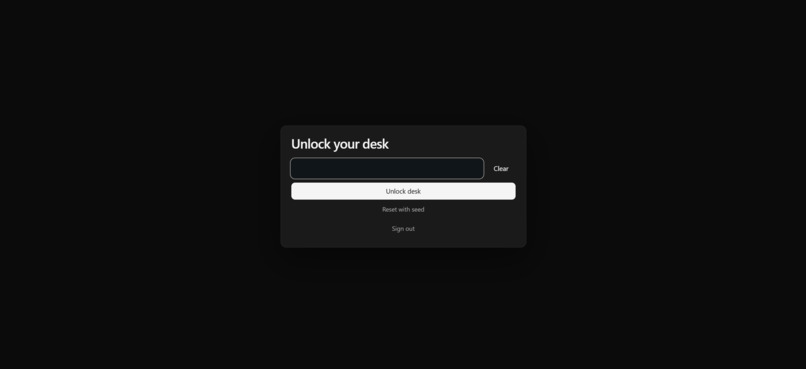
lock page
-
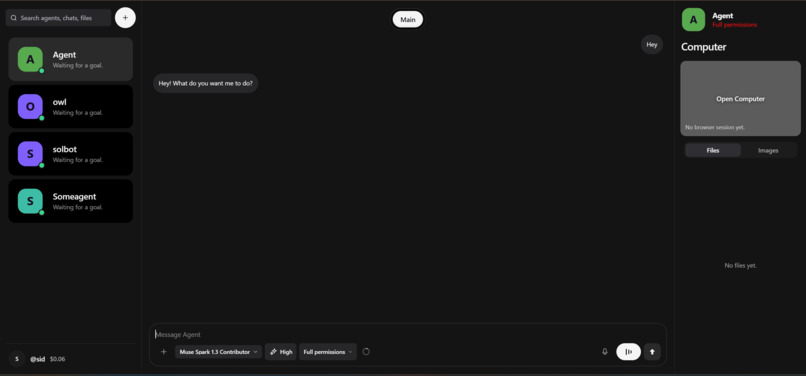
agents view
-
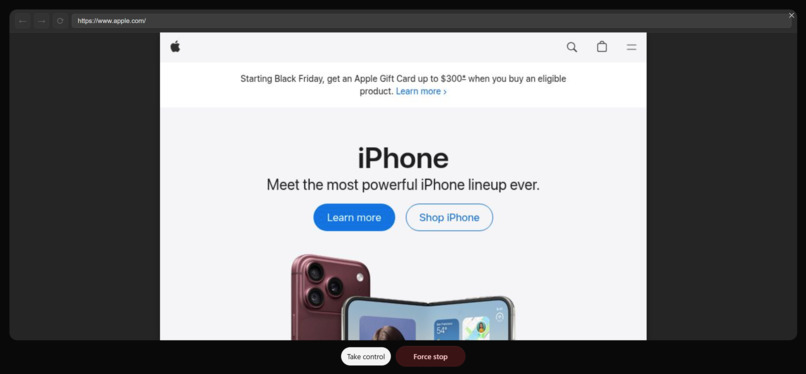
agents browser navigation
-
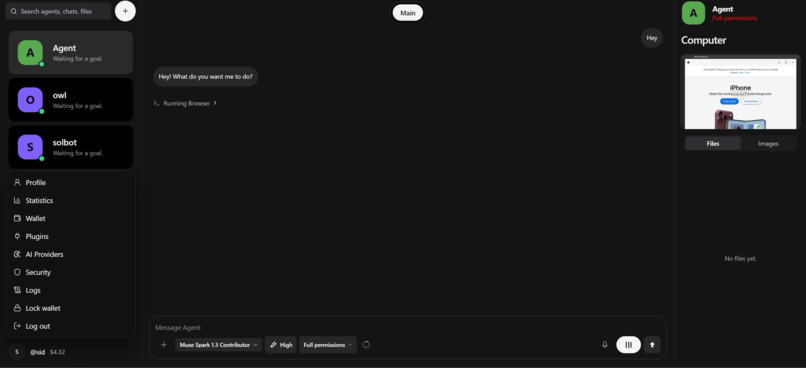
main UI
-
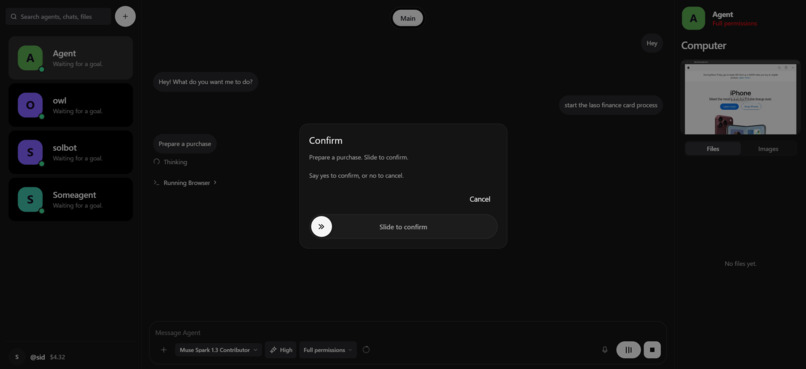
confirm modal
-
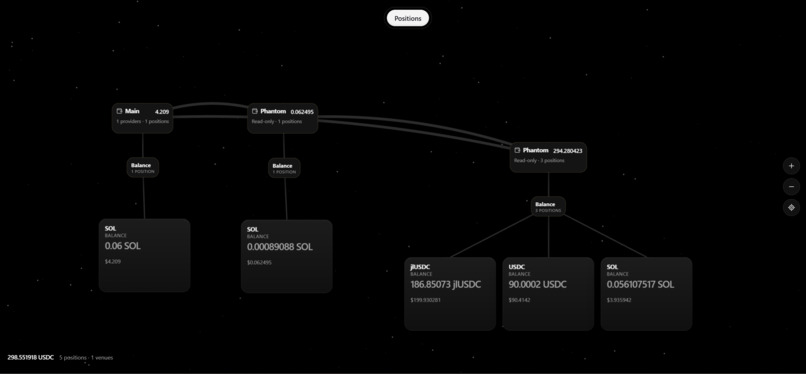
unified positions view for all wallets
-
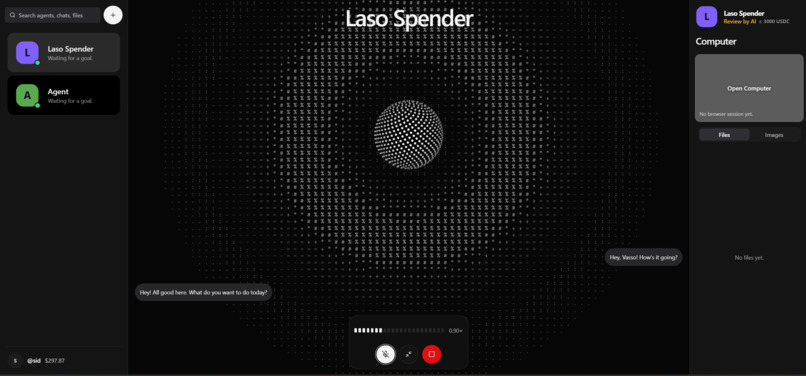
voice view
-
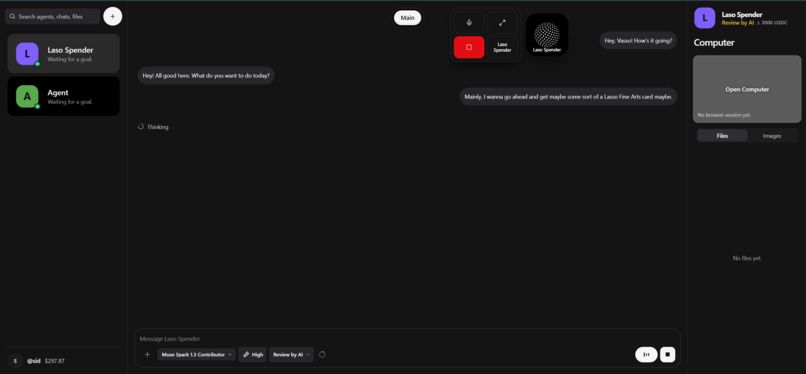
minimized voice view


Inspiration
We wanted AI agents that could do more than recommend what to buy. We wanted them to make the purchase. The catch was trusting one with a wallet.
A useful agent needs room to act, but a bad decision shouldn't put all your money at risk. We built Maelstrom to make that control part of the payment flow.
What it does
Maelstrom lets you run named AI bots, each with a goal and a Solana wallet. They can research purchases and shop with USDC, pay for data, or track paper trading positions using live prices.
- Set the limits. Configure total spend and per-transaction caps, or maximum loss for position bots. Choose Fully Automatic, Capped Automatic, or Ask.
- Approve payments. Transaction previews show what a bot wants to send. When it hits a budget, approve the purchase once or raise the limit.
- Follow the work. Watch its cloud browser through Live View and talk to it through ElevenLabs Agents. Decision records and payment history let you look back at what happened.
- Step in anytime. Pause an individual bot or stop the whole fleet. Freezing a wallet blocks spending for every bot assigned to it.
Before signing, the payment pipeline checks trust and verifies the proposed facts, then checks freezes, budgets, and the bot's approval mode. Verification allows up to five attempts before unresolved disagreements go to manual review. A hashed decision memo links the transaction to its approved decision.
Bots pay per request through x402, including purchases from our devnet store. QuickNode Streams feed wallet activity back into the bot loop, while SNS resolves .sol payment destinations. The Laso Finance integration prepares a card purchase for owner approval.
How we built it
Next.js and OpenNext power the Cloudflare-hosted interface. Cloudflare Workers run the backend, with a Durable Object per bot for checkpoints and browser sessions. Supabase Postgres holds the durable records, including wallets, approvals, payment history, and the spending ledger. Cron Triggers handle scheduled position checks and provide a fallback when Streams go quiet.
Privy provides embedded Solana wallets and server-side signing, keeping signing keys out of model context. QuickNode supplies devnet RPC and Streams. Firecrawl handles research, and ElevenLabs Agents provides voice. Text and voice share the same tools and permissioned payment APIs.
We integrated Meta Muse through the Meta Model API, with OpenRouter as a fallback. Grok Bot helped us plan the build, research integrations, and coordinate work throughout the week.
Devnet execution, mainnet pricing: transfers use devnet USDC; paper positions use real market prices.
Challenges we ran into
The hardest part was making an approval mean something precise. It needs to cover the actual proposal—a bot shouldn't be able to change the amount or destination after the owner agrees. Balances and budget reservations also have to come from the ledger, regardless of what the model says.
Verification needed a stopping point. We capped it at five attempts so disagreements reach a person instead of keeping the bot stuck indefinitely.
Laso has no sandbox and requires mainnet USDC, so we kept automated shopping on our devnet x402 store and stopped the card flow at owner approval.
What we learned
Connecting an agent to a wallet is straightforward. Giving it useful autonomy takes more work: spending limits, verification, and approvals have to sit between the model's decision and the signature.
A transaction preview is just as important as the backend checks. The owner should understand what they're approving without reading the bot's entire conversation.
What's next
We want to enforce spending caps on-chain and finish more end-to-end purchase flows. Mainnet execution comes after further testing.
Built With
- circle
- cloudflare-browser-rendering
- cloudflare-workers
- durable-objects
- elevenlabs
- firecrawl
- grok
- laso-finance
- next.js
- openrouter
- playwright
- postgresql
- privy
- quicknode
- react
- sns
- solana
- spacexsi
- supabase
- typescript
- usdc
- vercel
- x402
