-
-
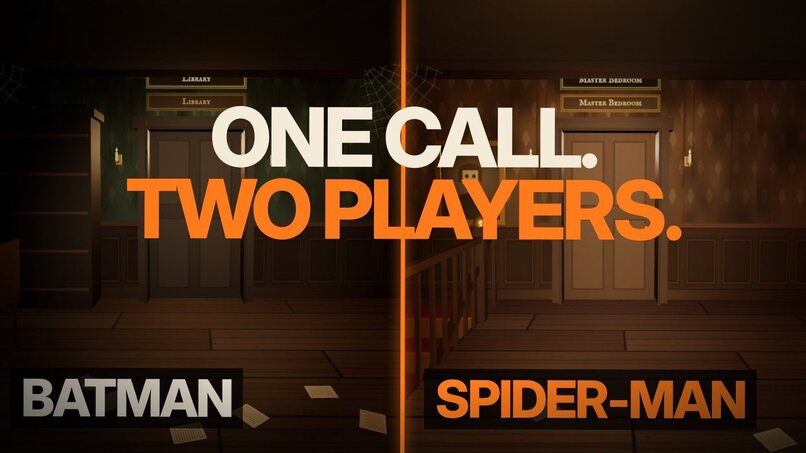
Chert shares his screen for two players at the same time and each screen is controlled by individual player.
-
-
-

-

-



Inspiration
Chert turns a FaceTime call into an open canvas: an agent can see, hear and show anything inside the call. We wanted to find out how far that canvas goes. Most FaceTime agents are still a voice with a face. They hear you and talk back, and the camera just sits there. So we kept asking one question: what can an agent do on FaceTime that it couldn't do on a phone call or from a photo?
The answer had to be live and visual. Something that watches you in the moment, reacts to what your body does, and sends something back into the call that you could never get from a text chat. Chert gave us both halves: an agent that can see what you show it and show you what it wants you to see through its own video. When group calling turned on, we realized we could put several people in the same call and let the agent read each of them separately.
Horror was the perfect test. A ghost only works if it can see you: whether you flinch, look away, or move when you shouldn't. And nothing hits harder than seeing her standing behind you in your own camera.
What it does
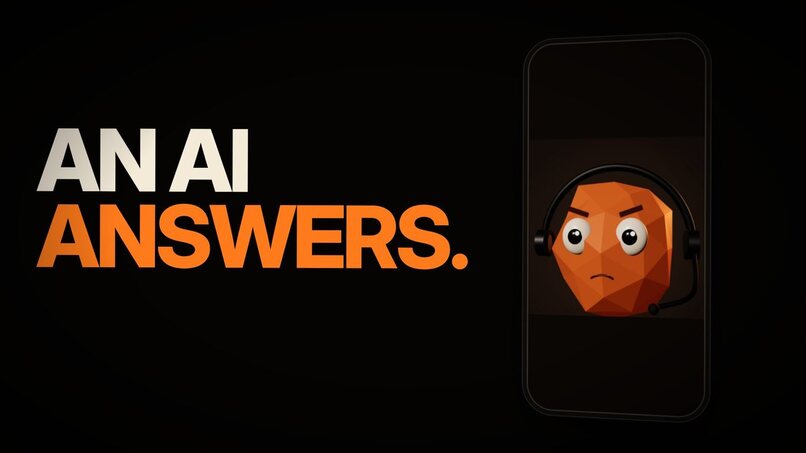
You FaceTime a number and Chert answers, a nervous orange stone voiced by an AI. Mabel, a 1926 switchboard-operator ghost, stole his spark stone and sealed it upstairs. Chert tells you the story, answers anything you ask, and when you agree to help, his video becomes the game: a 3D haunted house played live inside the call.
Everything that matters comes from what Chert sees:
- Group FaceTime → multiplayer. A friend joins and the screen splits into Batman and Spider-Man. The agent finds each caller's camera in the call and tracks them separately, so two people race through the house independently.
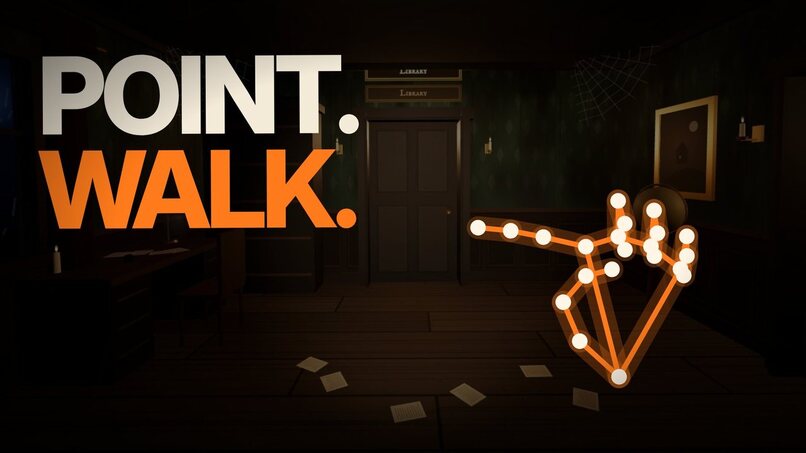
- Your body is the controller. Point to walk, make a fist to search, hold up a palm to stop Mabel, thumbs up to start. Each player's hand only moves their own character, because it's read from their own camera.
- The camera decides if you survive. When Mabel finds you, she tests you: don't move, or hold your palm up to push her back. The agent checks your camera live, and you pass or you don't.
- She steps into your real room. If she catches you, your half of the screen cuts to your own camera with Mabel standing behind you, cut out so you stay in front of her.
- A host you can talk to. "Batman, left" moves you. "Chert, where's the key?" gets a real answer from the AI, with hints that get sharper the longer you're stuck.
- Built for a live demo. A full game fits inside one five-minute call, with a countdown and spoken warnings, and plays end to end with no cuts.
How we built it
- Chert's FaceTime CLI bridges the call into LiveKit. Our Node.js agent joins as Chert.
- What Chert shows you: a three.js haunted house runs in a hidden Chromium window (Playwright). Its frames are published as Chert's camera, so the game is Chert's video in the call.
- What Chert sees: the group call arrives as one capture of the FaceTime window. We built a tile detector that finds every caller's box, even when FaceTime puts them side by side with a hairline gap, and crops each into its own feed.
- Vision: MediaPipe face mesh, hands and segmentation on each caller. We classify gestures from 21 hand landmarks, measure stillness for "don't move," and use the person mask to place Mabel behind the right player.
- Ears and brain: voice detection plus OpenAI transcription. An OpenAI model with tools and the live game state runs Chert: telling the story, starting the game when you agree, and giving real hints.
- Voice: ElevenLabs voices for Chert and Mabel, cached and synced with captions and Chert's mouth on screen.
Challenges we ran into
- A group call is one picture and one voice. We expected separate streams per caller. Instead, the whole call arrives as one window capture and one mixed audio track. Splitting players by their camera tiles became the core of the project. Our first version merged two callers into one box because the gap between tiles was thinner than our scan grid.
- One mixed voice can't tell people apart, so we made the camera the per-player controller: gestures move you independently, and voice uses the hero's name.
- Chert heard himself. Two phones near each other fed Chert's voice back into the call. He answered himself and even started the game on his own. We added an echo filter and only start on a real player's agreement.
- The 10-second rule. The line ends the call if the agent stays silent 10 seconds after FaceTime connects, and a 3D game takes longer than that to load. We reordered startup to greet first and load the game behind it.
- Tiny, compressed hands. Each caller's box is about 210 pixels after FaceTime compression. A resting fist read as a thumbs up, and a drooping point sent players back downstairs. We tightened the classifier and added hold times.
- Five minutes, limited test minutes. We built a webcam preview to test everything offline and saved real calls for the moments that mattered.
Accomplishments that we're proud of
- Two people playing one game inside one FaceTime call, each controlling their own character with their own body.
- The moment Mabel appears behind you in your own camera. It gets the same reaction from everyone who tries it.
- A full session that plays end to end inside a single call, live, with no app installed.
What we learned
- The camera is the most underused part of a FaceTime call. Faces, hands, stillness and presence can all be inputs, and that's where the magic is.
- Designing around the real constraints (one mixed feed, five-minute calls, a 10-second greeting window) pushed us to our best features.
- Real-time AI is mostly about timing: what to say first, what to cache, and what to ignore.
- Testing on a real call early mattered more than anything we did offline.
What's next for Chertbusters
- Per-caller audio, so everyone can move by voice without saying a name.
- Chert calling you back, and texting you a snapshot of Mabel behind you after the game.
- Party mode for 3 to 4 players in one group call, and more ghosts that react to different things they see.
Built With
- chert
- chromium
- elevenlabs
- facetime
- html
- livekit
- mediapipe
- openai
