New Study Outlines How Countries Can Build Effective DNA Barcoding Networks

New research in Metabarcoding and Metagenomics provides a blueprint for building a robust, globally adaptable network of DNA barcoding practitioners. 

Aligning with the International Day for Biological Diversity‘s theme of “Acting locally for global impact,” researchers have released a comprehensive blueprint for building a robust, globally adaptable network of DNA barcoding practitioners. 

Heat map illustrating the heterogeneity in the number of available DNA barcode records with species assignment.
Heat map illustrating the heterogeneity in the number of available DNA barcode records with species assignment. Data were retrieved from the BOLD Systems data portal in November 2025. Credit to Kaitetzidou et al., 2026.

DNA barcoding has become a cornerstone for modern species identification and biodiversity monitoring, proving vital for applications ranging from ecological research to conservation and environmental policy. Since its inception, the DNA barcoding community worldwide has been convening under the aegis of the International Barcode of Life (iBOL), which provides necessary global coordination. To implement barcoding at scale, build local capacity, and translate scientific advances into actionable practice, iBOL national nodes have been established since the 2010s

Published in the open-access journal Metabarcoding and Metagenomics, the article “Empowering national capacity for a DNA-based approach to species identification and biodiversity monitoring” by E. Kaitetzidou et al. provides strategic advice on establishing iBOL national nodes. 

Drawing on a survey and workshop conducted under the Horizon Europe Biodiversity Genomics Europe project, this research synthesises experiences from 20 countries, including 17 in Europe, and examines how national nodes are initiated, governed, and sustained. Common challenges included defining scope, securing sustainable funding, harmonising methodologies, and engaging stakeholders. For example, a particularly striking finding was how rarely node coordinators sought guidance from established networks before setting up their own.

The decision-making process and steps taken were almost entirely based on intuition and the experience from other within-country activities, as well as their perceptions of the activities of other nations’ barcoding nodes,

the researchers note. 
Countries are highlighted whose representatives of a national initiative responded to the questionnaire (yellow), attended the workshop (green) or both (yellow–green stripes).
Countries are highlighted whose representatives of a national initiative responded to the questionnaire (yellow), attended the workshop (green) or both (yellow–green stripes). Peru and South Africa are not displayed on the map; however, representatives of their national nodes took part in the survey and the workshop, respectively. Credit to Kaitetzidou et al., 2026.

Central to the paper are ten practical recommendations to ensure the establishment and long-term success of national DNA barcoding nodes. The authors emphasise several key priorities, primarily the construction of comprehensive DNA barcode reference libraries and the critical need to align scientific activities with practical biomonitoring requirements.

Furthermore, they strongly advocate for promoting FAIR (Findable, Accessible, Interoperable, and Reusable) and CARE data principles, alongside implementing focused strategies for capacity building, methodological standardisation, communication, and diverse stakeholder engagement.

Stronger national infrastructures will enhance Europe’s capacity for DNA-based biodiversity monitoring and support metabarcoding and metagenomic research. Building on milestones such as the establishment of iBOL Europe in 2022, these local efforts add up to real progress on species discovery, conservation, and environmental management worldwide. 

This paper has been published with the support of the Biodiversity Genomics Europe project, funded through Horizon Europe, the UK Research & Innovation Fund and the Swiss Confederation (https://biodiversitygenomics.eu/). 

Original source:

Kaitetzidou E, Gadawski P, Goodall-Copestake WP, Dankova G, Gkagkavouzis K, Holak S, Rewicz T, Bącela-Spychalska K, Mamos T, Fantoni K, Jabłońska A, Tończyk G, Trębicki Ł, Aravanopoulos FA, Bruschini C, Bonchev G, Dagher Kharrat MB, Čiampor F, Costa FO, Dapporto L, Ekrem T, Ferreira S, Geiger M, Hausmann A, Hebert PDN, Kalamujić Stroil B, Kamenova S, Kautmanova I, Keskin E, Kučinić M, Lipinskaya T, Mutanen M, Papakostas S, Price B, Ramírez R, Rougerie R, Rulik B, Szucsich N, Van Der Bank M, Triantafyllidis A, Hollingsworth PM, Grabowski M (2026) Empowering national capacity for DNA-based approach to species identification and biodiversity monitoring. Metabarcoding and Metagenomics 10: e183268. https://doi.org/10.3897/mbmg.10.183268

5000 Students run ‘bee hotels’ across Canada – DNA reveals who’s checking in

Students at the forefront of conservation or how community science helps gather data on cavity-nesting bees and wasps, enhancing our understanding of ecosystem interactions.

Can students be the front lines of conservation? A new Canada-wide study, published in Metabarcoding and Metagenomics, suggests they can. The efforts of some 5000 students produced data detailed enough to reveal complex ecological networks hidden inside a small PVC and cardboard tube home.

A trap nest installed at a Bees@Schools community science location. Multiple tubes nested in are visible.
A trap nest installed at a Bees@Schools community science location. Multiple tubes nested in are visible. Photo credit to Sage Handler.

They invited schools to volunteer across Canada to install standardised ‘trap nests’ – simple PVC pipe and cardboard tube homes that mimic natural cavities where bees and wasps build nests.

Cavity-nesting bees and wasps play key roles in pollination and pest control, yet their distributions and feeding relationships are often poorly known because they can be small, secretive and difficult to observe directly.

As part of the Bees@Schools community science program, researchers Sage Handler (University of Guelph), Nigel Raine (University of Guelph), and Dirk Steinke (University of Guelph) aimed to address this.

Nesting tubes gathered from one trap nest, ready to be cut open and processed.
Photo credit to Sage Handler.

Instead of relying only on traditional identification under a microscope, the researchers used DNA metabarcoding – a method that reads DNA from mixed samples and can detect many species at once.

This allowed the team to identify not only which bee or wasp species built each nest, but also which plant pollen or insect prey were brought back as food. The result was a rich, detailed view of both where cavity-nesting bee and wasp species live and how they interact with plants and other insects.

A key outcome of the study was the creation of tripartite networks: maps linking (1) the nesting bee or wasp, (2) its food (pollen or insect prey) and (3) parasites. This kind of network is extremely difficult to build through observation alone, but trap nests can act like tiny ecological time capsules.

Every brood cell contains biological traces and metabarcoding can recover them. Students weren’t just collecting insects, they were collecting entire ecological interaction datasets: the raw material needed to build food-web maps across a whole country!

A lot of people want to contribute to conservation or learn more about biodiversity, but don’t know how. This shows that a small, practical action, like hosting a trap nest, can contribute real data that researchers can use. Community and citizen science is becoming more common, so keep an eye out for research happening in your neighbourhood.

says Handler, the lead author of the study

Original resource:

Handler S, Coveny K, Braukmann TWA, Raine NE, Steinke D (2026) Welcome to Hotel Hymenoptera: monitoring cavity-nesting bee and wasp distribution and their trophic interactions using community science and metabarcoding. Metabarcoding and Metagenomics 10: e139674. https://doi.org/10.3897/mbmg.10.139674

A forgotten spider rediscovered after 48 Years: First record of Gnaphosa jodhpurensis in Iraq and the Middle East

Important scientific discoveries are still waiting — sometimes, right beneath our feet.

Guest blog post by Dr. Azhar M. Al-Khazali (University of Sumer, Iraq) & Tuqa A. A. Al-Mshrfawy

For nearly half a century, the ground spider Gnaphosa jodhpurensis was known only from India and China, with a doubtful mention from Pakistan. Since its original description in 1977, no photographs, morphological illustrations, or detailed documentation of this elusive species had ever been published again — until now.

Photos of two spiders displayed side by side: A) dorsal view of a reddish-brown spider with a green abdomen; B) underside view showing similar coloration and structure.
Female Gnaphosa jodhpurensis. A. Dorsal view. B. Ventral view

During a biodiversity survey in southern Iraq, as part of the MSc research of my student Tuqa A. A. Al-Mshrfawy at the University of Sumer, we made an unexpected discovery. In the semi-desert landscapes of Dhi Qar Province, we collected several specimens of a ground spider that looked remarkably unfamiliar. Careful morphological examination and DNA barcoding confirmed what we could hardly believe: it was Gnaphosa jodhpurensis — a species never before recorded from Iraq, nor from any country in the entire Middle East region.

Map of Asia highlighting China, India, Pakistan, and Iraq, with geographical outlines and key locations marked.
Known distribution records of Gnaphosa jodhpurensis. Squares = previous records; circles = new records from Iraq.

Our study, now published in the journal Check List, officially reports the first record of G. jodhpurensis from Iraq and the Middle East, extending its known range by thousands of kilometers westward. The paper also provides the first-ever photographic documentation and detailed morphological description of this species since it was discovered 48 years ago.

Gnaphosa jodhpurensis, female. A. Prosoma, dorsal view. B. Same, ventral view. C. Chelicerae and mouth parts, ventral view. D. Ocular region, anterodorsal view.

This finding highlights not only the hidden biodiversity of Iraq, but also the potential for new discoveries even under modest research conditions. Despite the limited laboratory facilities and financial constraints, our determination to explore Iraq’s arachnid fauna has led to multiple scientific contributions and international publications over recent years.

We hope our work will inspire other researchers across the region to investigate the unique ecosystems of the Middle East and to recognize that important scientific discoveries are still waiting — sometimes, right beneath our feet.

Research article:

Al-Mshrfawy TAA, Al-Khazali AM (2025) First record of Gnaphosa jodhpurensis Tikader & Gajbe, 1977 (Araneae, Gnaphosidae) from Iraq and the Middle East. Check List 21(5): 902-908. https://doi.org/10.15560/21.5.902

First Bulgarian DNA barcoding symposium brought over 120 researchers

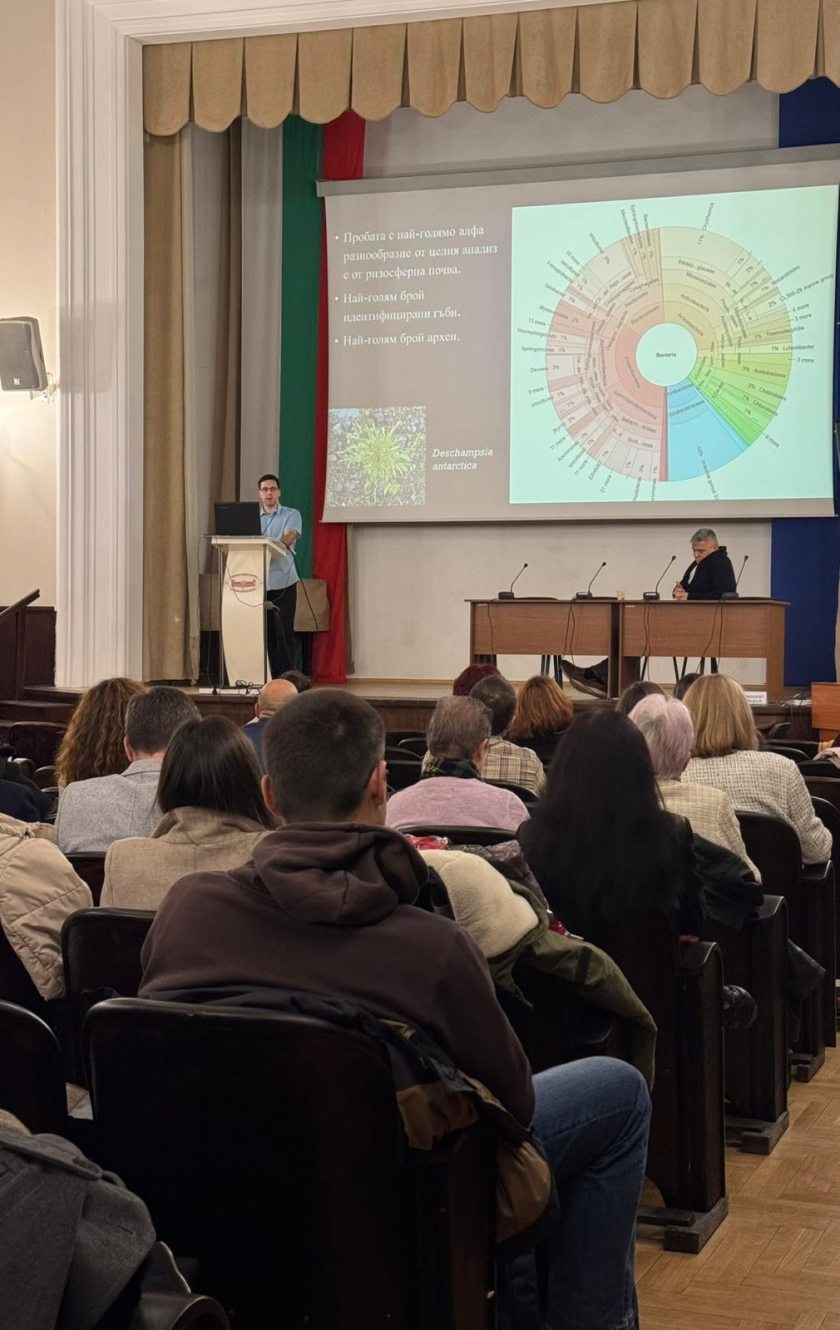
The symposium took place on 5 December 2025 at the Headquarters of the Bulgarian Academy of Sciences, organised by the Bulgarian Barcode of Life.

The first national symposium on DNA barcoding took place on 5 December 2025 at the Headquarters of the Bulgarian Academy of Sciences, where it was attended by renowned Bulgarian scientists in the field, in addition to early-career researchers and PhD students representing different institutions.

The event was organised by the Bulgarian Barcode of Life (BgBOL): a national node, part of the International Barcode of Life, which was established in October 2023 by  the Institute of Plant Physiology and Genetics (BAS), Institute of Biodiversity and Ecosystem Research, National Museum of Natural History (BAS), Sofia University “St. Kliment Ohridski”, AgroBioInstitute (Agricultural Academy), University of Forestry, and Pensoft in its role of a scientific publisher and tech innovator well-known in the field of biodiversity science.

The event saw a day-long series of lectures and a poster session, during which the participants had the opportunity to get acquainted with the work of their colleagues in various fields of biology. 

Amongst the topics were the development of the Bulgarian molecular laboratory in Antarctica; the study of the invertebrate fauna currently underrepresented in DNA reference libraries; the return of the beaver to Bulgaria; and research on phytopathogenic fungi on agricultural crops.

During the coffee breaks sponsored by the National Museum of Natural History, the delegates had the chance to network and exchange experience between institutions and fields of expertise.

Teodor Georgiev, CTO at Pensoft held a presentation about the 2.0 version of the ARPHA Writing Tool. In its greatly improved version, it will feature many new, refined and elaborated workflows that help and simplify data publishing, discoverability, reusability and overall FAIRness. 

The event was opened and closed by Prof. Dr. Lyubomir Penev, who was elected as the Chair of the Governing Board at the Bulgarian Barcode of Life last year. He is also the founder and CEO of Pensoft.

In his closing speech, Penev expressed his hopes for the development of BgBOL and confirmed the plans of the consortium to turn the symposium into an annual tradition. Congratulations were extended to BgBOL’s newest member: the Institute of Oceanology “Fridtjof Nansen” at BAS. 

He also announced the launch of a new special collection in the Biodiversity Data Journal, which will welcome scientific papers related to the Bulgarian and Balkan biota and using DNA barcoding methods. The authors of the first five papers to be submitted and accepted at the collection will take advantage of free publication.

Finally, he thanked the hosts of the Bulgarian Academy of Sciences Headquarters: Stefania Kamenova and Assoc. Prof. Dr. Georgi Bonchev, who are also Vice-Chair and Chair of the Executive Board at BgBOL, respectively. A special thanks went also to Prof. Pavel Stoev, Director of the National Museum of Natural History.

***

You can visit the website of the Bulgarian Barcode of Life (BgBOL) at https://bgbol.org/en and follow the BgBOL consortium on Facebook.

Celebrating scientific excellence: Dr. Paul D. N. Hebert awarded the Benjamin Franklin Medal

Dr. Paul D. N. Hebert, known as “the father of DNA barcoding,” has been honoured with the prestigious Benjamin Franklin Medal, a testament to his trailblazing contributions to biodiversity science.

Dr. Paul D. N. Hebert. Photo credit Åge Hojem, NTNU Vitenskapsmuseet/NTNU University Museum, used under a CC BY 2.0 licence

Dr. Hebert’s innovative work has advanced our understanding of global biodiversity, making the identification of species easier, which in turn helps support global conservation efforts. By devising a method that allows the quick and efficient discerning of species, he has transformed biodiversity science.

DNA barcoding has many applications in the classification and monitoring of biodiversity. It can help protect endangered species, control agriculture pests, and identify disease vectors.

Founder and Director of the Centre for Biodiversity Genomics and Chief Executive Officer of the International Barcode of Life consortium (iBOL), Dr. Hebert is one of the leading voices of today’s biodiversity innovation and research.

Dr. Hebert is also chair of the advisory board of Pensoft’s journal Metabarcoding and Metagenomics. He has authored 13 papers in ZooKeys, substantially contributing to untangling the taxonomy of braconid wasps, butterflies, and other insects.

Acylomus ergoti, one of the many insect species Dr. Hebert has worked on.

His work has also appeared in other Pensoft-published journals, such as Biodiversity Data Journal, Nota Lepidopterologica, and Deutsche Entomologische Zeitschrift.

His innovative approach has sparked discussions and debates around the role of novel methodologies in taxonomy.

Dr. Hebert’s recognition with the Benjamin Franklin Medal demonstrates the critical role of biodiversity studies in dealing with global challenges such as the biodiversity crisis. He has inspired a generation of scientists to push the boundaries of knowledge and drive innovation in research technology.

We at Pensoft extend our heartfelt congratulations to Dr. Paul D. N. Hebert on this well-deserved recognition. He continues to lead the way in unravelling the complexities of global biodiversity.

Hidden biodiversity underfoot: DNA barcoding of Taiwanese forest beetles

The intricate world beneath our feet holds secrets that are only now being unveiled, as researchers embark on a groundbreaking project to explore the hidden diversity of forest leaf litter beetles in Taiwan.

Guest blog post by the research team led by Martin Fikácek and Fang-Shuo Hu, based on their paper published in Deutsche Entomologische Zeitschrift.

Forest leaf litter, often likened to terrestrial coral reefs, supports an astonishing variety of life. Among the myriad arthropods dwelling in this ecosystem, beetles emerge as the most common and speciose group. Despite their abundance, our understanding of leaf litter beetles remains limited due to the challenges posed by their sheer numbers, small sizes, and high local endemism.

Unlocking the Mystery with DNA Barcoding

To overcome these challenges, a team of researchers has initiated the Taiwanese Leaf Litter Beetles Barcoding project. Leveraging DNA barcoding, the project aims to create a comprehensive reference library for these elusive beetles. DNA barcoding, a technique using short mitochondrial fragments, accelerates the analysis of entire faunas and aids in the identification of species. The goal is to provide a valuable resource for researchers, ecologists, conservation biologists, and the public.

DNA voucher collection. Hu et al.

A Collaborative Journey with Taxonomists

The success of the Taiwanese Leaf Litter Beetles Barcoding project hinges on the invaluable contribution of taxonomists, who play a pivotal role in this groundbreaking research. Recognizing the specialized knowledge required for precise genus and species identifications, the researchers diligently consulted with specialists for each family represented in the extensive dataset.

In cases where these taxonomic experts provided crucial assistance, they were not merely acknowledged but offered co-authorship, acknowledging the significant commitment and expertise they bring to the project. Many taxonomists devote their entire lives to the meticulous study of specific beetle groups, and this collaboration underscores the importance of their dedication. The researchers emphasize the fairness of extending co-authorship to these taxonomic experts, acknowledging their indispensable role in advancing our understanding of Taiwan’s leaf litter beetle fauna.

Larva of Oodes (Lachnocrepisjaponicus. Hu et al.

Rich Beetle Diversity in Taiwan

Taiwan, nestled in the western Pacific, boasts a rich biodiversity resulting from its location at the crossroads of the Oriental and Palearctic biogeographical regions. Beetles, with over 7,700 recorded species belonging to 119 families, stand out as a particularly diverse insect order on the island. Despite this wealth of species, taxonomic research on beetles in Taiwan has been fragmented, and the study of leaf litter beetles has relied heavily on collections from past decades.

Larvae of Lagria scutellaris (OTU174) associated with adults by DNA. Hu et al.

The current dataset, based on specimens collected in the Huisun Recreation Forest Area in 2019–2021, comprises 4,629 beetles representing 334 species candidates from 36 families. The DNA barcoding approach has not only allowed for efficient species identification but has also provided a glimpse into the intricate world of beetle larvae, enhancing our understanding of their biology and ecological roles. This comprehensive dataset marks a significant step forward in unraveling the mysteries of Taiwan’s diverse beetle fauna.

Project Goals, Progress, and Future Outlook

The Taiwanese Leaf Litter Beetles Barcoding project is dedicated to a three-fold mission: conducting an extensive study of leaf litter beetles, documenting their diversity in Taiwan, and providing a reliable tool for quick identification. The researchers have published the first set of DNA barcodes, unveiling taxonomic insights such as the description of a new species and several newly recorded taxa.

Map of the samples collected in 2019–2023. Hu et al.

While the dataset is geographically limited to a single forest reserve in central Taiwan, it efficiently demonstrates the challenges of studying subtropical and tropical leaf litter beetle faunas. The integration of DNA barcoding and morphology proves instrumental in unraveling the mysteries of this species-diverse ecosystem. Looking ahead, the team plans to expand their sampling across Taiwan, covering diverse regions, altitudinal zones, and forest types.

Continuous updates to the DNA barcode dataset will serve as a valuable resource for future studies, maintaining a balanced approach that recognizes DNA barcoding as an efficient complement to traditional taxonomic methods.

Research article:

Hu F-S, Arriaga-Varela E, Biffi G, Bocák L, Bulirsch P, Damaška AF, Frisch J, Hájek J, Hlaváč P, Ho B-H, Ho Y-H, Hsiao Y, Jelínek J, Klimaszewski J, Kundrata R, Löbl I, Makranczy G, Matsumoto K, Phang G-J, Ruzzier E, Schülke M, Švec Z, Telnov D, Tseng W-Z, Yeh L-W, Le M-H, Fikáček M (2024) Forest leaf litter beetles of Taiwan: first DNA barcodes and first insight into the fauna. Deutsche Entomologische Zeitschrift 71(1): 17-47. https://doi.org/10.3897/dez.71.112278

Follow Deutsche Entomologische Zeitschrift on Facebook and X.

Newly established Bulgarian Barcode of Life to support biodiversity conservation in the country

As the latest national node to join the International Barcode of Life Consortium (iBOL), its main task is to coordinate, support, and promote DNA barcoding research in Bulgaria.

On 27 September 2023, during a specialised symposium on DNA barcoding at the Bulgarian Academy of Sciences, the Bulgarian Barcode of Life (BgBOL), a Bulgarian DNA barcoding consortium, was founded. 

Logo of the Bulgarian Barcode of Life (BgBOL), a Bulgarian DNA barcoding consortium and the latest national node to join the International Barcode of Life Consortium (iBOL).

By becoming the latest national node to join the International Barcode of Life Consortium (iBOL), the main task before BgBOL will be to coordinate, support, and promote DNA barcoding research in Bulgaria, with a primary focus on the study and preservation of the country’s biodiversity.

“The Bulgarian Barcode of Life opens up new horizons and opportunities to study and understand the biodiversity in Bulgaria,”

says Dr Georgi Bonchev, Institute of Plant Physiology and Genetics at the Bulgarian Academy of Sciences (BAS).

DNA barcoding is a method to identify individual organisms based on nucleotide sequences captured from short, predefined and standardised segments of DNA.

Dr Georgi Bonchev explains the DNA barcoding method at the specialised symposium held on 27 September 2023 at the Bulgarian Academy of Sciences. 
Photo by the Bulgarian Academy of Sciences.

The formation of the BgBOL consortium is expected to strengthen the network of collaborations, ultimately contributing to the broader dissemination and popularisation of DNA barcoding research in the region.BgBOL was created by seven academic institutions: Institute of Plant Physiology and Genetics (BAS), Institute of Biodiversity and Ecosystem Research, National Museum of Natural History (BAS), Sofia University “St. Kliment Ohridski”, AgroBioInstitute (Agricultural Academy), University of Forestry, and Pensoft in its role of a scientific publisher and tech innovator well-known in the field of biodiversity science.

Prof. Lyubomir Penev joined the symposium with a talk on the publication, dissemination and management of DNA barcoding data. His presentation also touched on the relevant biodiversity data workflows and tools currently in development at Pensoft with the support of the Horizon 2020-funded project BiCIKL.
Photo by the Bulgarian Academy of Sciences.

As part of the event, Pensoft’s founder and CEO Prof. Lyubomir Penev led a discussion on the publication, dissemination and management of DNA barcoding data. His presentation also touched on the relevant biodiversity data workflows and tools currently in development at Pensoft with the support of the Horizon 2020-funded project BiCIKL (abbreviation for Biodiversity Community Integrated Knowledge Library).

“I’d like to congratulate everyone involved in the establishment of the Bulgarian Barcode of Life! This is a huge step forward in advancing DNA barcoding research in Bulgaria and, ultimately, the preservation of the country’s amazing biodiversity,”

comments Prof. Lyubomir Penev.
Visit the BgBOL website and follow the network on LinkedIn and Facebook, where you might also want to join the BgBOL Facebook group!

***

About the International Barcode of Life:

The International Barcode of Life Consortium is a research alliance undertaking the largest global biodiversity science initiative: create a digital identification system for life that is accessible to everyone.

iBOL is working to establish an Earth observation system that will discover species, reveal their interactions, and establish biodiversity baselines. The consortium is tracking ecosystems across the planet and exploring symbiomes – the distinct fungal, plant, and animal species associated with host organisms. Our goal is to complete this research and establish baseline data for science and society’s benefit.

Austrian-Danish research team discover as many as 22 new moth species from across Europe

The last time so many previously unknown moths have been discovered at once in the best-studied continent was in 1887

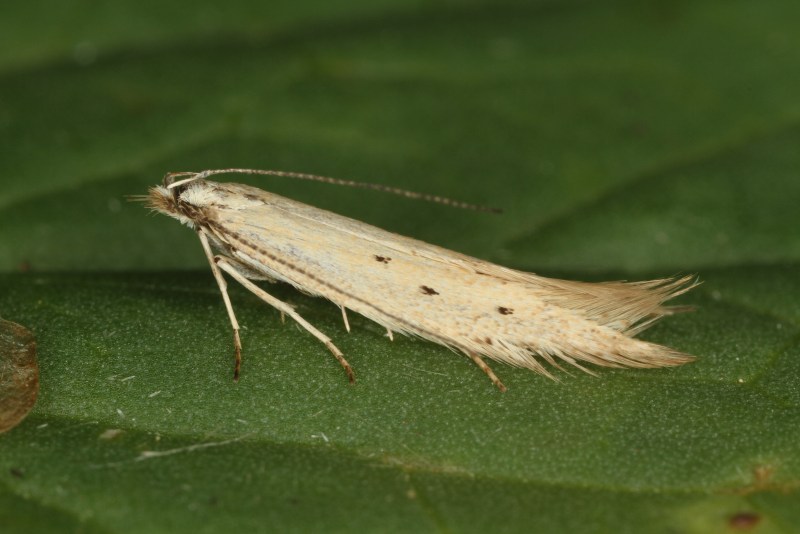
One of the newly discovered moths, Megacraspedus faunierensis, in its natural habitat in the Alps.

Following a long-year study of the family of twirler moths, an Austrian-Danish research team discovered a startling total of 44 new species, including as many as 22 species inhabiting various regions throughout Europe.

Given that the Old Continent is the most thoroughly researched one, their findings, published in the open access journal ZooKeys, pose fundamental questions about our knowledge of biodiversity. Such wealth of new to science European moths has not been published within a single research article since 1887.

“The scale of newly discovered moths in one of the Earth’s most studied regions is both sensational and completely unexpected,” say authors Dr Peter Huemer, Tyrolean State Museum, and Ole Karsholt of the University of Copenhagen‘s Zoological Museum. To them, the new species come as proof that, “despite dramatic declines in many insect populations, our fundamental investigations into species diversity are still far from complete”.


The challenge of taxonomy

Type locality of the new moth species Megacraspedus faunierensis, Cottian Alps, Italy.

For the authors, it all began when they spotted what seemed like an unclassifiable species of twirler moth in the South Tyrolean Alps. In order to confirm it as a new species, the team conducted a 5-year study into the type specimens of all related species spread across the museum collections of Paris, London, Budapest and many in between.

To confirm the status of all new species, the scientists did not only look for characteristic colouration, markings and anatomical features, but also used the latest DNA methods to create unique genetic fingerprints for most of the species in the form of DNA barcodes.


What’s in a name?

A particular challenge for the researchers was to choose as many as 44 names for the new species. Eventually, they named one of the species after the daughter of one of the authors, others – after colleagues and many others – after the regions associated with the particular species. Megacraspedus teriolensis, for example, is translated to “Tyrolean twirler moth”.

Amongst the others, there is one which the scientists named Megacraspedus feminensisbecause they could only find the female, while another – Megacraspedus pacificus, discovered in Afghanistan – was dubbed “an ambassador of peace”.


Mysterious large twirler moths

One of the newly discovered moths, Megacraspedus faunierensis, in its natural habitat in the Alps.

All new moths belong to the genus of the large twirler moths (Megacraspedus) placed in the family of twirler moths (Gelechiidae), where the common name refers to their protruding modified mouthparts (labial palps).

The genus of the large twirler moths presents an especially interesting group because of their relatively short wings, where their wingspan ranges between 8 and 26 millimetres and the females are often flightless. While it remains unknown why exactly their wings are so reduced, the scientists assume that it is most likely an adaptation to the turbulent winds at their high-elevation habitats, since the species prefer mountain areas at up to 3,000 metres above sea level.

Out of the 85 documented species, however, both sexes are known in only 35 cases.

The scientists suspect that many of the flightless females are hard to spot on the ground. Similarly, caterpillars of only three species have been observed to date.

While one of the few things we currently know about the large twirler moths is that all species live on different grasses, Huemer and Karsholt believe that it is of urgent importance to conduct further research into the biology of these insects, in order to identify their conservation status and take adequate measures towards their preservation.

###

Original source:

Huemer P, Karsholt O (2018) Revision of the genus Megacraspedus Zeller, 1839, a challenging taxonomic tightrope of species delimitation (Lepidoptera, Gelechiidae). ZooKeys 800: 1-278. https://doi.org/10.3897/zookeys.800.26292

A primer in access and benefit-sharing for DNA barcoders

New open access book provides essential background for molecular biodiversity researchers on international policy regarding use and transfer of genetic materials

Molecular biology approaches, such as DNA barcoding, have become part of the standard toolkit for a growing number of biodiversity researchers and practitioners, with an increasing scope of applications in important areas, such as environmental assessment, food inspection, disease control and public education.

Globalization and the advent of bioinformatics are rapidly changing the landscape of international scientific collaborations, which now often span multiple jurisdictions and increase the volume of international data exchange and transactions of biological materials. At the same time, researchers engaging in such partnerships are often unaware of the complex policy frameworks governing such transactions, which may carry reputational and even legal liabilities.

The United Nations Convention on Biological Diversity (1992) and its supplementary agreement, the Nagoya Protocol (ratified in 2014), are the most prominent international treaties designed to provide a legal framework for ensuring the fair and equitable sharing of the benefits arising from research activities involving genetic resources. Although often challenging and, at times, frustrating, it is important for researchers to understand the ramifications of these international agreements, to ensure that their scientific reputations are not tainted with allegations of unfair or unethical practices.

The recent book by Canadian ABS consultant and advisor to Botanic Gardens Conservation International, Kate Davis, and University of Guelph, Canada, researcher and international development expert, Alex Borisenko, offers a perspective on the ramifications of the Convention and the Nagoya Protocol on molecular biodiversity research.

Titled ‘Introduction to Access and Benefit-Sharing and the Nagoya Protocol: What DNA Barcoding Researchers Need to Know‘, it is openly available from Pensoft as an advanced book or PDF document under Creative Commons License.

This contribution is specifically geared towards researchers and practitioners working in the field of DNA barcoding – an actively developing field of biology that advances molecular tools for fast, reliable identification and discovery of species by analyzing short standardized DNA fragments, known as ‘DNA barcode regions’.

This approach, lying at the interface between genomics and biodiversity science, is creating the global knowledge base needed to assess ecosystem services and detect emerging environmental threats, while addressing the imperative of preserving the world’s biodiversity. Carrying out this mission demands close partnerships between biodiversity researchers worldwide, and also relies on large molecular facilities to provide timely, cost-effective and high-quality analytical services, thereby involving active international transactions of biological materials.

Furthermore, the utility of DNA barcoding depends on active open data sharing in ways similar to those established by the medical community for human genomic information.

The book is prefaced by the Executive Secretary of the Convention on Biological Diversity, Dr. Cristiana Pa?ca Palmer. It provides a brief introduction to the Convention and the Nagoya Protocol, and reviews some of their key legal definitions (e.g., ‘genetic resources’, ‘access’, and ‘utilization’). These definitions are considered within the context of terms more familiar to researchers (e.g., tissue samples, DNA extracts, PCR products, trace files) and their daily activities (e.g., field collecting, molecular analysis, DNA sequence assembly).

The main chapters provide further insights into the structure and function of the access and benefit-sharing mechanism at the international policy level and its possible ramifications in form of national laws and institutional requirements.

The text concludes with a set of practical guidelines for researchers and practitioners on the steps that should be taken to ensure due diligence when working with internationally-sourced biological samples. Adhering to these best practices would help build trust and sustain research collegiality among partners involved in international collaboration.

###

Original source:

Davis K, Borisenko A (2017) Introduction to Access and Benefit-Sharing and the Nagoya Protocol: What DNA Barcoding Researchers Need to Know. Advanced Books. https://doi.org/10.3897/ab.e22579

A genus of European paper wasps revised for the first time using integrative taxonomy

The European and Mediterranean species of the paper wasp genus Polistes were recently revised by scientists at the SNSB-Zoologische Staatssammlung München (ZSM).

For the first time for this group scientists applied an integrative taxonomic approach which combines traditional morphological methods with modern DNA barcoding.

As a result, the researchers were able to identify a new species from Morocco. For this well-researched wasp group, this is an actual sensation.

The study is published in the open access journal ZooKeys.

The Munich researchers analysed more than 260 wasp specimens collected from across the study area with the help of DNA barcoding.

They managed to identify all species and determine their distribution. In addition, based on the genetic data, they were able to evaluate morphological characters for each species and created a completely new key for identification.

The wasps of the genus Polistes belong to the family Vespidae. The genus is represented by 17 species in Europe and the Mediterranean, with four species occurring in Germany. Within the genus, 13 species are social, with the queen overwintering and founding a new nest with up to 200 workers. Four species are parasitic and have no workers.

Although Polistes has been well-known in Central Europe for more than 200 years, knowledge of Mediterranean species has so far been scarce. Many species of the genus exhibit only subtle morphological differences and show high levels of colour variation, further complicating their identification.

An important result of this research is the separation of species of the Polistes gallicus species complex into three distinct species. Moreover, the genetic data led to the discovery of a new species, represented by a single specimen from the High Atlas Mountains in Morocco. This was an unexpected result for the researchers. The species was named Polistes maroccanus.

Another very surprising result was the discovery of high levels of genetic variation within Polistes dominula, a species commonly found in Central Europe, indicating the presence of up to three different and hitherto unrecognized species – a case requiring further investigation.

Integrative taxonomy is an approach that combines different scientific methods to reliably differentiate species. In particular, DNA barcoding has proven to be a useful technique for the identification of species and for the discovery of new species. The method allows to identify most species quickly and accurately, even those species that are difficult to identify using traditional methods based on morphological characters.

DNA barcoding uses a short gene fragment that differs in almost all species worldwide. The sequences are stored in an online database and can be used for identification. The method derives its name for being reminiscent of the barcodes similar to those found on products in supermarkets that allow quick and error-free identification at the checkout.

DNA barcoding is part of a global research initiative led by the Canadian scientist Paul Hebert from the University of Guelph. The ZSM is a project partner and involved in assembling DNA barcodes of the German animal species. In addition to ZSM researchers, scientists from Switzerland and the Netherlands contributed to the Polistes project.

###

Original source:

Schmid-Egger C, van Achterberg K, Neumeyer R, Morinière J, Schmidt S (2017) Revision of the West Palaearctic Polistes Latreille, with the descriptions of two species – an integrative approach using morphology and DNA barcodes (Hymenoptera, Vespidae). ZooKeys 713: 53-112. https://doi.org/10.3897/zookeys.713.11335