This tiny nudibranch, which measures less than three millimetres in length, was first spotted by lead author Ho-Yeung Chan during a recreational dive in 2019.
“Taiwanese divers call it ‘sesame’ in Chinese and it is also small like a sesame seed, hence the name,” the research team explained regarding their decision to honour the local nickname in the scientific nomenclature. This tiny nudibranch, which measures less than three millimetres in length, was first spotted by lead author Ho-Yeung Chan during a recreational dive in 2019.
Thecacerasesama sp. nov. Details of appearance and morphological features, hand-drawn on a tablet PC by Chen-Lu Lee.
The discovery was a stroke of luck that began during Chan’s undergraduate studies:
“During a recreational dive in the summer during the undergraduate study of HY Chan in 2019, he accidentally discovered Thecacera sesama sp. nov. in northern Taiwan waters.”
The Research Team
Despite its unique appearance, the importance of the find was not immediately obvious. In a modern twist on traditional taxonomy, Chan “never realised Thecacera sesama was a new species until he consulted the sea slug expert ‘Hsini Lin teacher’ on Facebook.”
Living specimens of Thecacerasesama sp. nov. Image credit: Ho-Yeung Chan et al.
Documenting the species proved to be a significant logistical feat due to the volatile environment of the Keelung coast. The research team noted that the most challenging part of the study was the unique weather conditions of the region.
Taiwan experiences frequent typhoons in the summer and large waves during the winter monsoon season, with sea temperatures often dropping below 16 degrees Celsius. These factors mean that diving for nudibranch research is only possible for about four months of the year, making sightings of such tiny creatures entirely a matter of chance.
Living specimens of bryozoan with Thecacera species. Image credit: Ho-Yeung Chan et al.
The life of T. sesama is remarkably focused, as the researchers observed that the species exhibits only four primary behaviours: feeding, searching, mating, and laying eggs on bryozoans, which are tiny aquatic invertebrates often called “moss animals”. Interestingly, the specific bryozoan that T. sesama calls home may itself be a species new to science.
From a broader ecological perspective, these vibrant molluscs play a vital role in the marine environment:
“Nudibranchs are one of the key players in the marine food web. They are extremely colourful and can be spotted on coral reef ecosystems. However, many nudibranchs are very small in size and are extremely difficult to spot underwater with the naked eye.”
The Research Team
The researchers believe that the discovery of T. sesama is just the tip of the iceberg for Taiwanese marine biology. Because many species are so small, many more are likely awaiting discovery and formal study. The full research on Thecacera sesama was published in the open-access journal ZooKeys on 11 May 2026.
Published in ZooKeys, a recent study revises the Himalayan pit viper group using a combination of fresh and historical DNA, morphology, skeletal anatomy, and ecological observations.
The high mountain ranges of Asia remain among the least biologically explored regions of the continent. Now, an international team of researchers has shown that one of their most elusive venomous snakes, long treated a single species, is in fact a complex of five distinct species, three of which are new to science.
Published in the open-access journal ZooKeys, the study revises the Himalayan pit viper group using a combination of fresh and historical DNA, morphology, skeletal anatomy, and ecological observations. The data reveals that what scientists had long treated as a single widespread species, the Himalayan pit viper first described in 1864, actually consists of multiple deeply distinct evolutionary lineages.
The analyses identified five clearly distinct species-level lineages, i.e. the Himalayan pit viper in the strict sense, Gloydius chambensis described in 2022, and three previously unrecognised species from different parts of Pakistan and Nepal. Alongside genetic divergence, these lineages exhibit distinct morphologicalandskeletal variations.
Phylogeny and distribution of five pit viper species in the Himalaya and Hindu Kush. Image credit: Dr Daniel Jablonski
“These mountain systems still harbour overlooked vertebrate diversity and hold important clues to the biogeography of Asia,” says Daniel Jablonski of Comenius University Bratislava, who has been conducting extensive research in Pakistan and Afghanistan for many years.
“By combining modern field sampling with data from historical museum specimens, we uncovered evolutionary lineages that had remained hidden for more than a century after the original description of the Himalayan pit viper.”
Daniel Jablonski
A key element of the discovery was the integration of newly collected material with a powerful source of evidence: DNA extracted from museum specimens collected in the 19th and early 20th centuries. This included the original type specimen of the Himalayan pit viper, allowing the researchers to clarify the identity of the species in its strict scientific sense.
The study underscores the enduring scientific value of natural history collections. Indeed, specimens gathered by earlier generations of explorers and preserved in museums are still helping scientists solve modern biological puzzles, especially in regions where fieldwork remains difficult.
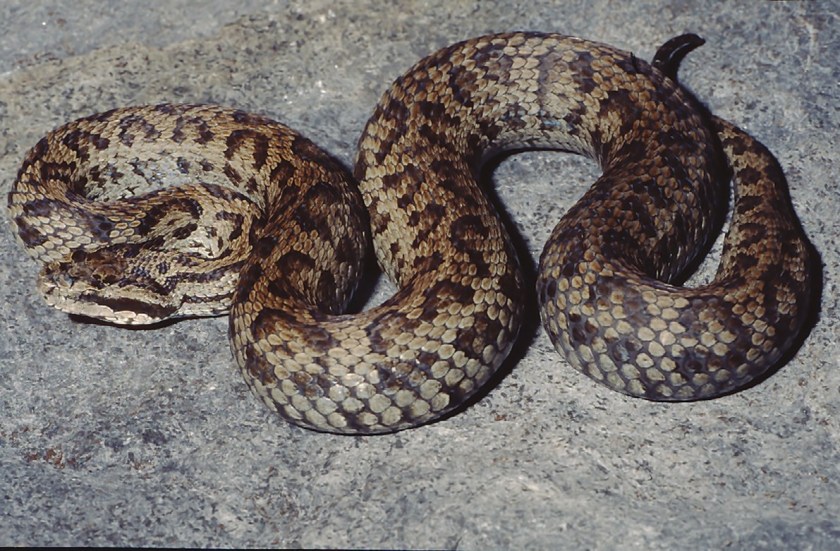
Paratype of the newly described species Gloydius hindukushensis from northwestern Pakistan. Image credit: Dr Daniel Jablonski and Dr Frank Tillack.
Paratype of the newly described species Gloydius nepalensis from Nepal. Image credit: Dr Daniel Jablonski and Dr Frank Tillack.
In fact, part of the discovery had been waiting in plain sight. “Museum specimens are not just records of the past. They are active research tools and essential infrastructure for future science,” says Sylvia Hofmann from the Museum Koenigas part of theLeibniz Institute for the Analysis of Biodiversity Change, who has comprehensively worked in the Himalaya and Tibetan Plateau during the past 20 years.
“Some of the key evidence had been sitting in museum collections for more than a hundred years. We just didn’t have the tools to recognise it. As analytical methods continue to improve, the scientific value of these collections will only grow and revealing biodiversity we didn’t even know was there.”
Sylvia Hofmann
Representatives of the herpetofauna play an important role in the ecosystem, particularly as ecological indicators, within the food chain, and as predators in pest control. A group of top predators in the region consist of pit vipers adapted to mountainous environments, which have so far been studied only very inadequately in the Himalayan region.
“Our work aims to close these gaps in knowledge and to lay the groundwork and provide inspiration for further, in-depth studies on this ecologically and medically relevant group.”
Tillack maintains close ties with Nepalese colleagues and has been collaborating with them for 35 years on projects concerning the biodiversity of herpetofauna in the Himalaya.
An important part of the study is the osteology of these snakes, including the skull anatomy of the lectotype BMNH 1946.1.19.64 of Gloydius himalayanus, collected more than 160 years ago. Image credit: Kristin Mahlow-Tillack.
The study also emphasises how much remains to be discovered in regions that have long been difficult to access for scientific research. “Pakistan’s high mountains are still full of biological surprises,” says Rafaqat Masroor of the Pakistan Museum of Natural History, the country’s leading herpetologists.
“This finding highlights how little we still know about a region long shaped by socio-political instability.”
Rafaqat Masroor
Beyond taxonomy, the findings also carry an important conservation message:
“Each of the newly recognised species seems to occupy a relatively restricted range in fragile mountain environments, highlighting new ecological and evolutionary questions.”
Daniel Jablonski
Without recognising such diversity, it would be impossible to assess it accurately or protect it effectively.
Imagine living in a world where your home can disappear overnight.
For many tiny arthropods, such as pseudoscorpions, this is a reality. They inhabit ephemeral and unpredictable habitats – decaying organic matter, animal nests, or tree hollows – that can quickly vanish or become unsuitable. Without wings, escaping these disappearing habitats poses a serious challenge.
So how do they cope?
The answer lies in a fascinating strategy known as phoresy: hitchhiking on other, more mobile organisms. In the case of pseudoscorpions, these carriers are often flies.
Flies (Diptera) are particularly suitable transport hosts. They are highly mobile, capable of long-distance flight, and frequently visit the same types of transient habitats that pseudoscorpions depend on. By attaching themselves to a fly, pseudoscorpions can effectively outsource dispersal – reaching new habitats they could never access on their own.
Despite its importance, the relationship between pseudoscorpions and flies has remained largely underexplored. Comprehensive syntheses are more than two decades old, and much of the available knowledge has been scattered across individual studies, often published in different languages and difficult to access.
What began as a marginal aspect of our research gradually turned into a much greater effort. As we followed scattered records across the literature, it became clear that no up-to-date overview existed. This led us to examine hundreds of publications from different countries and time periods, critically reassessing old records while adding new data from our own material.
Altogether, we compiled 172 records spanning more than 250 years, from 1761 to 2025 – providing the most comprehensive overview of pseudoscorpion – Diptera phoresy to date now published in the open-access journal ZooKeys.
New records of pseudoscorpion phoresy in Europe. Locality codes are given in Materials and methods. Country abbreviations: CZ – Czechia, FR – France, SI – Slovenia, SK – Slovakia. Image credit: Jana Christophoryová et al.
Our results show that pseudoscorpions have been recorded hitchhiking on at least 74 species of flies across 30 families, while the number of known pseudoscorpion travellers reaches 39 species from seven families. Several new host associations were identified, including seven fly species and three fly families not previously known to serve as carriers. We also documented 11 new cases of phoresy from Europe, including first national records for some species.
Cases of phoresy from Czechia, Slovakia, and Slovenia. A. Ceroxysurticae and Lamprochernes cf. chyzeri (locality 1); B. Pherbelliaannulipes and Pselaphochernesscorpioides (locality 6); C. Fanniacanicularis and P.scorpioides (locality 7); D. Xylophagusater and Chernescimicoides (locality 8); E. Muscaautumnalis and L. cf. chyzeri (locality 9); F. Lonchaeachorea and L. cf. chyzeri (locality 10); G, H. Limonianubeculosa and P.scorpioides (locality 11). Image credit: Jana Christophoryová et al.
Interestingly, most records are linked to a single, familiar species – the house fly (Musca domestica). However, this pattern is likely influenced by historical research bias, as earlier studies focused heavily on this easily observable association. This highlights an important challenge: understanding phoresy requires not only new data, but also careful re-evaluation of past identifications.
Beyond modern observations, fossil evidence preserved in amber reveals that these interactions are far from recent. Pseudoscorpions were already hitchhiking on flies tens of millions of years ago, indicating that this dispersal strategy has deep evolutionary roots.
Cases of phoresy from France. A, B. Scatopsenotata and Pselaphochernesscorpioides (locality 2); C, D. Physiphora sp. and Lamprochernesnodosus (locality 3); E, F. Neolimoniadumetorum and P.scorpioides (locality 4); G, H. Tipulavernalis and Dactylocheliferdegeerii (locality 5). Image credit: Jana Christophoryová et al.
Taken together, our findings show that phoresy is not just an occasional curiosity, but a widespread and long-standing ecological strategy. It allows these tiny, wingless predators to navigate a fragmented and ever-changing world – by quite literally catching a ride.
May 7th marks Deep Day, a global day of awareness and action dedicated to the deep sea. Founded by the Deep Sea Conservation Coalition, it aims to raise awareness of the deep sea’s immense ecological importance and call for its protection against threats like deep-sea mining and destructive fishing.
To celebrate the wonders of our oceans and raise awareness of the incredible biodiversity of the deep sea, we at Pensoft Publishers would like to highlight some of the remarkable marine studies that have recently been published in our scientific journals.
A Global Collaboration to Uncover Deep-Sea Amphipods
The 24 newly described deep-sea amphipod species. Image credit to: Eleanor Frost, National Oceanography Centre
Demonstrating the power of global teamwork, an international group of experts recently discovered 24 new deep-sea amphipod species in the central Pacific Ocean’s Clarion-Clipperton Zone (CCZ). Researchers from institutions worldwide, including the University of Lodz and the National Oceanography Centre, came together for a coordinated taxonomy workshop to achieve this. Their work revealed a completely new evolutionary branch with the discovery of a new superfamily, Mirabestioidea.
Crucially, their findings form part of the International Seabed Authority’s Sustainable Seabed Knowledge Initiative (SSKI) and its ‘One Thousand Reasons’ project, which aims to formally describe 1,000 new species by the end of the decade.
Highlighting the importance of this joint effort, Dr. Anna Jażdżewska from the University of Lodz shared:
This was a truly collaborative process that allowed us to achieve the ambitious goal of describing more than 20 species new to science within a year – something that would not have been possible if each of us worked independently. The team’s findings provide information that is crucial for future conservation and policy decisions.
😯Fascinating new #study recorded 108 morphotaxa from 4,500m down to the #hadal depths of 9,775m, revealing the hidden life of the NW Pacific trenches. 🎥They analyzed 460 hours of video from landers & submersibles across the Japan, Ryukyu, and Izu-Ogasawara trenches. 👇Full study here: https://doi.org/10.3897 /BDJ.14.e182172 📗You can read all about it on Pensoft’s blog 👇 https://blog.pensoft.net/2026/04/06/what-lives-10-km-below-the-surface-a-new-look-at-life-in-japans-deepest-ocean-trenches/ Research center: Minderoo-UWA Deep-Sea Research Centre. Main funders of the expedition: Inkfish, Caladan Oceanic #deepsea#sciencetok#research
Photo and video credit to Minderoo-UWA Deep-Sea Research Centre, Inkfish, Caladan Oceanic, Jamieson et al., 2026
Another recent expedition provided a profound look at life up to nearly 10 kilometers below the surface in the Japan, Ryukyu, and Izu-Ogasawara trenches, cataloging at least 108 distinct organism groups. The research captured rare footage of species interactions at extreme depths – and one baffling, unidentified animal that has left taxonomists worldwide perplexed.
The unknown organism or Animalia incerta sedis. Credit to Jamieson et al., 2026, o Minderoo-UWA Deep-Sea Research Centre, Inkfish and Caladan Oceanic.
Rather than using traditional trawls that can damage fragile organisms, the team utilized crewed submersibles and free-fall baited landers. Explaining the value of this non-destructive method, the research team noted:
This combination enabled us to build the most comprehensive visual baseline yet for abyssal and hadal megafauna in the Northwest Pacific to date.
They added that the study aims to establish a foundation for the future, emphasizing that:
More than anything, the hadal zone remains one of Earth’s least-explored and most intriguing frontiers.
Finally, highlighting a unique way the public can engage with science and taxonomy, a recently found deep-sea chiton was named by the internet after science YouTuber Ze Frank featured it in an episode of his “True Facts” series. Originally discovered in 2024 within the Izu-Ogasawara Trench at a depth of 5,500 meters, this new species belongs to the genus Ferreiraella, a rare and specialized group of mollusks that live exclusively on sunken wood in the deep sea.
From over 8,000 suggestions submitted across social media, the research team selected the name Ferreiraella populi. The epithet populi is a Latin singular noun in the genitive case meaning “of the people”.
Prof. Dr. Julia Sigwart, co-chair of the Senckenberg Ocean Species Alliance (SOSA), emphasized the broader significance of this public discovery:
Ferreiraella populi exemplifies the overwhelming biodiversity of the oceans, the vast majority of which remains unexplored. Many species go extinct before we even know they exist – this is especially true for marine invertebrates.
These studies highlight the vastness of the unexplored frontier that our deep seas and oceans offer. Revealing this hidden life – from entirely new evolutionary branches of amphipods to records of unknown organisms – requires global collaboration, cutting-edge exploration technologies, and the involvement of the general public.
Ultimately, this shared pursuit of discovery provides the fundamental knowledge crucial for conservation and policy decisions. As Deep Day reminds us of the encroaching threats from deep-sea mining, human-derived debris, and destructive fishing, we must work together to understand these fragile habitats so that we can effectively protect them and #DefendtheDeep.
Imagine a fly that decides flying is overrated. Instead, it finds a bat, sheds its wings, drops its legs, and burrows into the host’s skin for the rest of its days. This is the reality of the genus Ascodipteron, a group of highly specialised bat flies that challenge our basic definition of what an insect looks like.
In a recent study published in the open-access journal ZooKeys, researchers led by Haoran Sun of Beijing Forestry University have identified a new member of this strange family in the Yunnan Province of China. It brings some fascinating, if slightly macabre, biological quirks to the table.
The newly discovered species has been named Ascodipteron euryale and was found on the lesser brown horseshoe bat, known scientifically as Rhinolophus stheno. This discovery is particularly significant because it represents the first time a fly from this genus has been documented on this specific species of bat. These flies often show an incredibly narrow host range and a strict preference for where they live on the bat’s body. In the case of Ascodipteron euryale, they prefer the base of the bat’s ear, the tragus, or the ear pinna.
Ascodipteroneuryale sp. nov. and its host Rhinolophusstheno. (Image credit: Haoran Sun et al.).
The life of a female Ascodipteron fly is especially interesting. After a very brief period of seeking out a host, the female undergoes a radical transformation into what scientists call a neosome. It essentially becomes an endoparasite, embedded so deeply in the bat’s tissue that often only its posterior end is visible, protruding slightly so it can breathe and release larvae. This particular species was discovered in Xianren Cave, located in the Simao District of Pu’er City, at an elevation of 2428 meters above sea level.
Ascodipteroneuryale sp. nov., ex. R.stheno – the top two images display the whole neosome. (Image credit: Haoran Sun et al.).
What makes Ascodipteron euryale stand out from its 17 known cousins? The most defining physical trait is the shape of its mesosternum, a part of its underside, which features gently rounded lobes on the back corners. Further, unlike many related flies that are covered in soft skin and easily removed, these neosomes were found encased in a fibrous cyst or shell – this is a reaction from the host bat’s own immune system, creating a protective barrier that makes the parasite very difficult to extract.
Ascodipteroneuryale sp. nov., ex. R.stheno, head and thorax. (Image credit: Haoran Sun et al.).
The naming of the species is a clever nod to Greek mythology. The host bat, Rhinolophus stheno, shares a name with Stheno, one of the three Gorgon sisters who could turn onlookers to stone. The researchers decided to name the new fly euryale after Euryale, another of the Gorgon sisters. In the myths, these two sisters were immortal, and the authors note that this name choice reflects their hope that the deep-rooted biological association between this specific bat and its resident fly continues long into the future.
This research adds a sixth species of Ascodipteron to the records in China, emphasising the impressive biodiversity hidden within the country’s cave systems. It also raises new questions for future study, particularly regarding why some of these flies trigger the formation of fibrous shells while others do not. For now, Ascodipteron euryale remains a testament to the strange and highly specific ways life finds a niche (even if that niche is the inside of a bat’s ear)!
Bats are nocturnal mammals that are critical to healthy ecosystems around the globe; they act as pollinators, seed dispersers, and natural pest controllers. In honour of Bat Appreciation Day (17 April), we are highlighting some of the most interesting bats published in our open-access journal ZooKeys.
The following discoveries, ranging from a species rediscovered after a century to new regional records, emphasise the remarkable diversity of bats and the ongoing efforts of researchers to understand and protect them.
The Strange Big-eared Brown Bat (Histiotus alienus)
Adult male of Histiotus alienus, captured on the municipality of Palmas, Paraná state, Brazil. (Image credit: Cláudio et al.).
For over a hundred years, the strange big-eared brown bat was known only from a single specimen collected in Uruguay in 1916. This elusive species remained unseen by the scientific community for a century, leading to significant uncertainty regarding its biology and true distribution.
However, a study led by Brazilian researchers documents the rediscovery of this bat in the Palmas Grasslands of southern Brazil, providing the first confirmed record for the country. This finding significantly expands the known range of the species and offers researchers the first opportunity to provide a detailed redescription.
Histiotus alienus is distinguished by its large and oval ears that are connected by a low skin fold. Its fur is a deep, dark brown on the back, while the underside is slightly paler. The rediscovery occurred in a unique landscape characterised by high-altitude grasslands and Araucaria forests, a habitat that is increasingly threatened by human activity.
The world of bat taxonomy is constantly shifting as researchers use new tools to differentiate species that look nearly identical. Another study formally documents the first records of the flat-skulled woolly bat, Kerivoula depressa, in China.
Previously, many woolly bats in the region were grouped together under other names, but detailed morphological and genetic analysis confirmed that K. depressa is a distinct part of the Chinese fauna, specifically in Guangdong and Yunnan provinces.
The defining feature of this species is its notably flattened braincase. This physical trait is an evolutionary adaptation that allows the bat to roost in very narrow spaces, such as the hollow internodes of bamboo. The bat has woolly fur that ranges from buff brown to dark brown, and it is relatively small in size.
The presence of this specialist bat in China highlights the complexity of tropical forest ecosystems and the need for further taxonomic work to correctly identify and conserve local biodiversity.
Megadermaspasma. (Image credit: Cook-Price et al.).
Islands often host a high number of unique species, yet their mammalian populations are frequently understudied. A comprehensive survey on Ko Pha-ngan, an island off the coast of Thailand, identifies the lesser false vampire bat, Megaderma spasma, as a new record for the island.
This species is a member of a group known for their distinctive appearance and predatory habits. While its name might sound ominous, it does not feed on blood; instead, it preys on insects and occasionally small vertebrates.
The lesser false vampire bat is easily recognised by its exceptionally large ears that are joined at the base and the absence of a visible external tail. During the survey, researchers found this species in a variety of environments, including national park forests, disturbed forest fragments, and areas with human settlements.
The discovery of M. spasma and eighteen other new records on Ko Pha-ngan demonstrates the importance of conducting biodiversity surveys in tourist-heavy regions to inform better conservation policies.
The Grey-bellied Dwarf Dog-faced Bat (Molossops griseiventer)
Details specimen of Molossopstemminckii. (Image credit: Ramírez-Chaves et al.).
Some species remain hidden until scientists take a closer look at existing museum collections and genetic data. For years, the grey-bellied dwarf dog-faced bat was considered a synonym of the more common Molossops temminckii. However, a recent revision has revalidated Molossops griseiventer as a separate species.
This grey-bellied dwarf dog-faced bat can be identified by its characteristic greyish ventral fur and specific cranial proportions. Beyond its appearance, the revalidation of this species has major implications for its protection. Unlike its more widespread relatives, M. griseiventer is restricted to the inter-Andean valleys of Colombia, a region heavily impacted by agricultural development.
Because it is now recognised as an endangered species, conservationists can advocate for specific protections for its remaining habitat. This case proves that understanding the true diversity of bats is a prerequisite for effective conservation.
The stories of these four species remind us that our understanding of biodiversity is always evolving. Through continued exploration and open-access publishing, we can better appreciate and protect the bats that share our planet.
Once again, Happy Bat Appreciation Day from ZooKeys and Pensoft Publishers!
For more articles on zoology, visit the ZooKeys website and follow the journal on BlueSky and Facebook.
Guest Blog Post by the Research Team of Samar Island’s Herpetofauna
In the darkness of the Samar rainforest, a flash of color stopped the research team in their tracks. Their headlamps illuminated a small shrub on a worn limestone trail, revealing a tiny pink snake. With a quiet sense of triumph, Yñigo del Prado readied his camera and leaned forward to photograph the coiled serpent within the branches of the shrub.
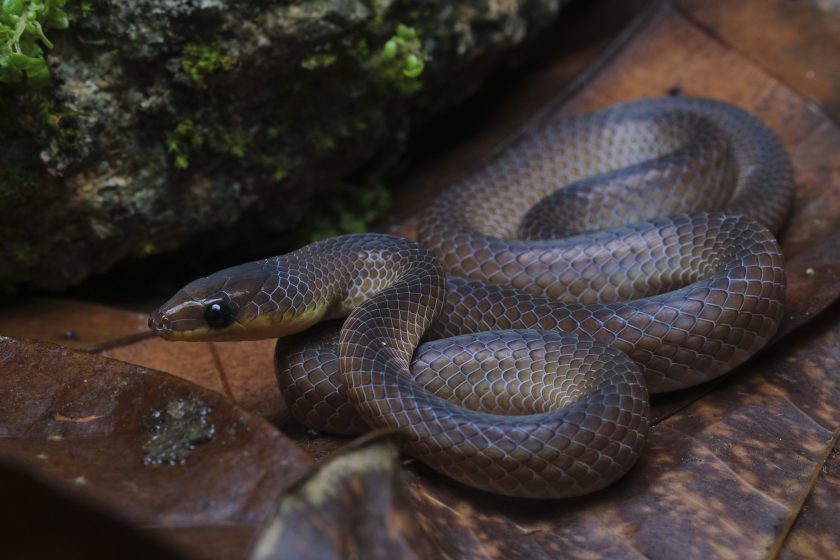
Although unknown to del Prado’s research team at the time, their rediscovery of the rare blindsnake Ramphotyphlops marxi would become one of the significant findings of the most recent comprehensive field study to document reptile and amphibian diversity found in Samar Natural Park (SINP) and Samar Island. Indeed, first recorded by the eminent zoologist Dioscoro Rabor in 1957 and unseen since, the snake is now a key highlight of the the survey, now published in the open-access journal ZooKeys.
The primary goal of the expedition was to generate updated and comprehensive data on the terrestrial vertebrate fauna—from amphibians and reptiles to birds and mammals—that aim to strengthen the scientific foundation for the nomination of SINP to the UNESCO World Heritage List.
The diverse team of biologists was assembled by UST Assistant Professor Mae Diesmos and head of UST–HRC, to spearhead the terrestrial faunal surveys, while project was designed by Professor Eric Zerrudo, also from UST, and the director of the Center for Conservation of Cultural Property and Environment in the Tropics.
Karst rainforest of SINP. (Image credit: Yñigo del Prado).
At an estimated area of ca 1,310,700 ha, Samar and the nearby island of Leyte count as one of the largest islands of the Philippines. While Samar has gradually experienced progressive decline in forest cover over the last couple of decades, its interior still houses one of the largest intact labyrinths of habitats spanning karst rainforest and cave systems.
“The reptiles and amphibians in limestone karst systems have evolved in remarkable ways. Every major survey [we] conducted reveals something new, something previously undetected just hiding under the woodworks. Which tells us that Samar remains one of the most important—and often understudied, biodiversity strongholds in the eastern region of the Philippines.”
Mae Diesmos
Though, perhaps “understudied” is an overstatement. A number of biological surveys have been conducted in SINP, as referenced in the article, with some of the extensive surveys dating back as early as the 1850s.
With the benefit of hindsight, the team integrated historical records into their paper, updating species names and distributions to match current classifications. This process effectively cleared up past confusion over identification. In addition, the larger taxon-based field biologists from UST and UP, allowed for more targeted sampling of several taxonomic groups. Increasing the sampling effort subsequently led to more extraordinary discoveries.
Case in point, the team found an additional 39 new records of reptiles and amphibians that bolstered the listing in SINP to a total of 79 species, and new distribution records of three species previously unknown from the island. And of course, there was the collection of the two specimens of R. marxi, whose existence had only been known from two historical records.
Dog-toothed cat snake. (Image credit: Yñigo del Prado).
Bornean keeled pit viper. (Image credit: Yñigo del Prado).
Philippine shrub snake. (Image credit: Yñigo del Prado).
Striped leaf gecko. (Image credit: Yñigo del Prado).
Acquiring this valuable data was by no means a simple task. The herpetology team was beset by the onset of the monsoon season, meaning that dry transect walks and even dry clothing were rare. The team also faced the strong currents and high rapids of the adjacent Ulot River as they moved from one site to another, and endured sandfly-infested campsites.
Ulot River Stream. (Image credit: Yñigo del Prado).
Encounters with local herpetofauna were always a joy. In the search for unique and cryptic species of lizards and snakes, the herpetology team relied on some tried and tested methods such as targeted microhabitat sampling of decaying logs, forest litter, and stream banks to look for fossorial species. Some methods were largely improvised; collapsible fishing poles became indispensable to shake down arboreal species or at the very least, encourage them to descend from the canopies.
Some species, however, had to be approached differently, as was the case for Platymantis bayani. The species is part of a larger complex of limestone frogs that could be found in karst formations in the Philippines, and each known species is unique to the location where it is found. On more than one occasion, the herpetology team had to search through overgrown limestone crevices; in others, the group descended into the depths of massive limestone caves in the dark to search for these elusive frogs.
But Filipinos are nothing if resilient, as a local adage goes. Certainly, Mae Diesmos and her team had their work cut out for them. The officials of the Samar provincial government were notably also very thorough in their coordination and movement across study sites, to ensure the safety of the team. This highlights the importance of collaborative work between research institutions and local government units and stakeholders. Research is considerably more difficult without proper funding and local coordination.
This issue is not unique to Samar. Limited and precious funding to support scientific research remains a challenge to sustain biodiversity surveys across many islands and regions of the country. Much work remains to be done because numerous areas and habitats still lack detailed biodiversity surveys. Field biologists and conservationists have, for many decades now, been locked in a dizzying and (at times) disheartening race against habitat destruction and population decline of key species.
Semper’s forest dragon. (Image credit: Yñigo del Prado).
As more field studies continue, Samar and nearby islands will likely continue to reveal even more of its hidden biodiversity. An inspiring reminder to future researchers that even in the 21st century, the rainforest of the Philippines still holds many scientific discoveries waiting to be made.
Two new species of half leaf-fingered geckos have been discovered in Vietnam, one was named in honor of the renowned herpetologist Prof. Dr. Thomas Ziegler.
The half leaf-fingered geckos (Hemiphyllodactylus) are a diverse group with more than 70 recognized species and a distribution range from southern India and Sri Lanka, through Indochina and Southeast Asia, to the western Pacific region.
As a result of its cryptic lifestyle and small body size, its diversity had been neglected until a recent surge of integrative taxonomic research, which combines different lines of evidence, most importantly molecular and morphological data.
Over the last ten years, more than 60 members of the genus (~85% of its diversity) have been newly described. Vietnam is a hot spot for new species discoveries with at least 10 congeners uncovered in recent years, including H. banaensis, H. bonkowskii, H. cattien, H. dalatensis, H. lungcuensis, H. nahangensis, H. ngocsonensis, H. vanhoensis, H. yenchauensis, and H. zugi.
Male Hemiphyllodactylus ziegleri. Photo credit to Anh Van Pham.
A newly published paper in ZooKeys reveals another new species within Hemiphyllodactylus, Hemiphyllodactylus ziegleri, from Copia Nature Reserve, Son La Province, northwestern Vietnam.
The new species is currently known only from this protected area, established in 2002. Although its range is estimated at less than 50 km², the area has been experiencing severe habitat degradation, primarily as a result of road construction and timber logging.
The new species honours Prof. Dr. Thomas Ziegler, a world-class herpetologist and conservation biologist of Cologne Zoo and the University of Cologne, who has made remarkable contributions to biodiversity research and conservation in Southeast Asia, especially to its the herpetofauna. Prof. Ziegler was involved in the descriptions of seven Hemiphyllodactylus species from Vietnam.
In addition to his more than three decades of engagement in taxonomic and ecological studies – spanning lizards, snakes, turtles, salamanders, frogs, and other vertebrates and invertebrates – Prof. Ziegler has made substantial contributions across herpetology broadly.
As for Hemiphyllodactylus, the current taxonomy is believed to substantially underestimate its diversity, especially in the karst ecosystem, as recent discoveries demonstrate that this particular habitat harbors a high number of cryptic species.
Adult male Hemiphyllodactyluspakhaensis. Credit to Ha HB et al., 2026
Coinciding with the publication of H. ziegleri, another karst-dwelling species – H. pakhaensis from Son La Province – was reported in ZooKeys. These discoveries bring the total species count to 12, suggesting that additional surveys in remote areas of the country and elsewhere in Southeast Asia will likely reveal many new congeners and highlight the importance of this unique, but highly imperiled ecosystem.
A research team from the National Taiwan Normal University has clarified the status of a secretive reptile through a new study published in the open-access journal ZooKeys. Led by Si-Min Lin, the team focused on the Formosan legless lizard, scientifically known as Dopasia formosensis. These lizards are among the most secretive and least studied groups in Taiwan, living primarily under leaf litter and humus in moist forests. This elusive behavior makes field observations and ecological studies extremely difficult.
The study resolves a century of taxonomic debate over whether Taiwan’s legless lizards comprise one species or two. For decades, these populations were classified as Dopasia harti, a status complicated by the loss of the original Dopasia formosensis type specimen after World War II. To stabilise the identity of the species and re-establish it as the distinct lineage Dopasia formosensis, the research team has designated a “neotype” – this is a new physical specimen that serves as the official reference for the species name.
Dopasiaformosensis in natural habitat: A fully mature adult male showing its dorsal bluish marking; A relatively younger male; A young individual with pale brown dorsal coloration and sharply contrasting black ventral surface. (Photo credit: Yu-Jhen Liang).
Physical Characteristics
The Formosan legless lizard is a medium-sized reptile that lacks external limbs. Adult males typically have a body length between 175 and 230 millimeters, while females are similar in size. A key feature of this species is its exceptionally long tail, which can be nearly double the length of its body.
People often mistake these lizards for snakes, but they possess several distinct features that set them apart. Unlike snakes, legless lizards have external ear openings, although they are quite small. They also have moveable eyelids, which means they can blink, a trait no snake possesses. Further, these lizards have a prominent lateral fold, which is a longitudinal groove running along each side of the body. This fold allows the skin to expand, which is useful for breathing and when females are carrying eggs.
Head morphology of the neotype of Dopasiaformosensis; an adult male from Mingchi, Yilan County, Taiwan. (Photo credit: Chih-Wei Chen and Chin-Chia Shen).
Etymology and Colouration
The species name formosensis is rooted in the historical name for Taiwan, “Formosa”, derived from the Portuguese phrase Ilha Formosa (“Beautiful Island”). The name combines this geographical reference with the Latin suffix “-ensis”, which indicates the place of origin.
Top: Landscape near the type locality of Dopasia formosensis in Hinokiyama, currently known as a part of the Fuba Cross-ridge Trail.
Bottom: Landscape of the collection site of the neotype near Mingchi, Yilan, Taiwan. (Photo credits: Chung-Wei You and Kai-Xiang Chang).
The study also clarified a major point of ambiguity regarding the species’ color. Previously, lizards with bright blue spots were thought to be a different species than those without them. The research team confirmed that these markings are actually a form of sexual dichromatism – while females and young lizards usually have a plain pale brown or bronze color, fully mature adult males often display these conspicuous blue markings as a form of secondary sexual signalling.
Behavioural Characteristics
Since these legless lizards are so rarely seen, the research team relied on citizen science data from the Taiwan Roadkill Observation Network to gather information. In the wild, these lizards prefer high-humidity environments in mid-elevation forests with dense canopy cover.
Sampling sites of Dopasiaformosensis (Kishida, 1930), D.harti (Boulenger, 1899), and D.hainanensis (Yang, 1983) available from GenBank.
The researchers also noted parental care as a key behavioural characteristic for the species, suggesting that they may exhibit more complex social behaviors than many other reptiles. In related species within the Dopasia genus, for instance, females are known to exhibit egg-guarding behavior, where they remain with their clutch to protect it from predators and environmental hazards until the offspring hatch.
Egg guarding by a female Dopasiaformosensis in the wild, observed in Pingtung County, southern Taiwan. (Photo credit: Weizun Wang).
A prior study documenting the species now recognised as Dopasia formosensis (previously identified as D. harti) notably also detailed its interesting fighting behavior. The encounter begins with a ritualised display where the lizards circle each other with mouths agape, flattened throats, and elevated forebodies. This posturing eventually escalates into physical combat, characterised by one-sided biting and rotational rolling as the males attempt to subdue one another.
Conclusion
The Formosan legless lizard is currently listed as a protected species under Taiwanese law. The research team emphasises that a stable scientific name and clear understanding of the species is critical for future conservation.
“Through these efforts, we aim to provide a more stable framework for future taxonomic, ecological and conservation studies of this overlooked lizard group.”
The Research Team
By making their data openly available, they hope to encourage further study of these unique animals across East Asia.
Researchers have announced the discovery of 24 new deep-sea amphipod species – including one new superfamily – from the Clarion-Clipperton Zone (CCZ), in the central Pacific Ocean.
Researchers have announced the discovery of 24 new deep-sea amphipod species – including one new superfamily – from the Clarion-Clipperton Zone (CCZ), in the central Pacific Ocean.
The discoveries have been published as part of a new open-access ZooKeys special issue, mark a significant advance in identifying the biodiversity of the CCZ – an area which spans six million square kilometres between Hawai’i and Mexico.
The research revealed a number of firsts for science, with 24 newly described species spanning 10 amphipod families, including predators and scavengers.
Map of the Clarion-Clipperton Zone (CCZ), Central Pacific Ocean. A. Contract areas from which samples were collected; B. Detail of the central BGR exploration contract area; C. Detail of the eastern CCZ contract areas and APEI-6. (Image credit: Horton et al.).
Notable discoveries include:
A new family (Mirabestiidae) and superfamily (Mirabestioidea), revealing completely new evolutionary branches.
Two new genera (Mirabestia and Pseudolepechinella).
Deepest-known records for multiple genera.
First molecular barcodes for rare species.
“To find a new superfamily is incredibly exciting, and very rarely happens so this is a discovery we will all remember.
With more than 90% of species in the CCZ still unnamed, each species described is a vital step towards improving our understanding of this fascinating ecosystem.
Describing the species encountered during these studies is a critical step in documenting the rich biodiversity of the CCZ, enabling us to communicate effectively about the fauna.”
Dr Tammy Horton
Syrrhoe manowitzae sp. nov. (Image credit: Hughes et al.).
A Global Collaboration
Taxonomy is vital to understanding the fauna of the CCZ, providing fundamental knowledge of species, their distributions, and how each species contributes to the fragile ecosystem.
The collaborative project also demonstrated the effectiveness of running coordinated and focused taxonomic workshops, providing a model way of working for the future.
Participants of the taxonomic workshop at University of Lodz in 2024. (Image credit: Anna Jażdżewska).
“This was a truly collaborative process that allowed us to achieve the ambitious goal of describing more than 20 species new to science within a year – something that would not have been possible if each of us worked independently.
The team’s findings provide information that is crucial for future conservation and policy decisions, and it highlights how important it is for this work to continue.”
Anna Jażdżewska, University of Lodz
Through initiatives such as these describing around 25 species per year, the amphipods in the eastern CCZ could be almost completely known within 10 years.
What’s in a name?
New species must each be named, and that honour falls to the research team who often draw inspiration from those around them.
Many of the 24 new species have been given meaningful names by those who have spent time learning about them and describing them.
Co-leads Dr Tammy Horton and Anna Jażdżewska both saw species named for them, Byblis hortonae, Thrombasia aniaandByblisoides jazdzewskae (respectively).
Byblis hortonae sp. nov. (Image credit: Peart et al.).
A. CLSM photograph of Thrombasia ania sp. nov. B microscope photograph of Thrombasia ania sp. nov. (Image credit: Anna Jażdżewska).
Byblisoides jazdzewskae sp. nov. (Image credit: Peart et al.).
Dr Horton named one of the species in the new superfamily (Mirabestia maisie) after her daughter, who has waited several years to join her siblings in having that unusual honour.
A. Mirabestia maisie sp. nov. immature; B.Mirabestia maisie sp. nov. mature female. (Image credit: Horton et al.).
There was an opportunity to pay tribute to the World Register of Marine Species (WoRMS), with Eperopeus vermiculatus being given the name in recognition of WoRMS which researchers described as providing a ‘wonderful resource for all marine taxonomists’.
Eperopeus vermiculatus sp. nov., habitus of the female holotype. Photograph of preserved specimen. (Image credit: Tammy Horton).
Involving early‑career scientists (including students) also allowed them to leave their mark in the species names, by commemorating their relatives and by creating intriguing links between the deep sea and the virtual world. According to the author, one species, Lepidepecreum myla, resembles Myla (a character from a video game), as both ‘are just little arthropods trying to survive in total darkness.’
Lepidepecreum myla sp. nov. A. Photograph of unstained individual before manipulation; B. CLSM photography; C. Dorsal view of the animal. (Image credit: Horton et al.).
The team also drew inspiration from linguistics for one species, with Pseudolepechinella apricity representing the spirit of warmth of friendship that came from the week-long workshop.
“Apricity means the feeling of the warmth of the winter sun, and it is one of my favourite words. It was very apt to use during the workshop as we discussed our findings in the warmth of the February sun amid the snow of the Polish winter in Lodz. It was certainly fitting to also use it for one of our amphipod discoveries.
We came together as research colleagues, but the spirit of collaboration and shared experience shone through, so it was important to recognise that in our work.”
Dr Tammy Horton
Pseudolepechinella apricity sp. nov. (Image credit: Horton et al.).
ENDS
About the National Oceanography Centre (NOC)
The UK’s National Oceanography Centre (NOC) is one of the world’s top ocean research institutions. NOC’s scientists work around the globe, uncovering links between the ocean, climate change and biodiversity loss, to help every living thing on our planet flourish.
NOC solves challenging multidisciplinary, large scale, long-term marine science problems to underpin international and UK public policy, business and societal outcomes.
NOC is a company limited by guarantee set up under the law of England and Wales (11444362) and registered as a charity (1185265).
NOC operates the Royal Research Ships James Cook and Discovery and develops technology for coastal and deep ocean research.
Working with its partners NOC provides long-term marine science capability including: sustained ocean observations, mapping and surveying; data management; modelling and scientific research and advice.
Among the resources that the NOC provides on behalf of the UK are the British Oceanographic Data Centre (BODC), the Marine Autonomous and Robotic Systems (MARS) facility, the National Marine Equipment Pool (NMEP), the National Tide and Sea Level Facility (NTSLF), the Permanent Service for Mean Sea Level (PSMSL) and British Ocean Sediment Core Research Facility (BOSCORF).
About the University of Lodz (UL), Faculty of Biology and Environmental Protection and Department of Invertebrate Zoology and Hydrobiology
The University of Lodz is a vibrant academic community whose history began on 24 May 1945. Although we are one of the youngest universities in Poland, today we rank among the country’s largest public institutions of higher education.
More than 20,000 students learn across our 12 faculties, supported by an engaged academic community of teachers, researchers, and professional staff. Together, we create an environment shaped not only by knowledge, but by everyday collaboration and shared responsibility.
Scientific research at the Faculty of Biology and Environmental Protection (FB&EP) has been conducted since the establishment of the University of Lodz. The Faculty is one of the largest biological faculties in Poland that carries out research within the area of all disciplines of biological sciences at the European level. Research projects carried out at the FB&EP encompass basic, applied, as well as methodological studies.
The Department of Invertebrate Zoology and Hydrobiology is one of the oldest units established at the founding of the University of Lodz. As a dynamic and international group of researchers at various career stages, the Department conducts studies on biodiversity, taxonomy, and the ecology of diverse invertebrate groups (including marine fauna), using a wide range of methods—from traditional microscopy to advanced molecular analyses.
About Pensoft Publishers
Pensoft is an independent, open-access scholarly publisher and technology provider, best known for its 30+ biodiversity journals, including ZooKeys, Biodiversity Data Journal, PhytoKeys, MycoKeys, One Ecosystem, and Metabarcoding and Metagenomics. Ever since becoming the first to introduce semantic enrichments and hyperlinks within a scientific article in the field of biodiversity in 2010, Pensoft has been working on various tools and workflows designed to facilitate data findability, accessibility, discoverability and interoperability.