
ATMOX Tom’s Blog
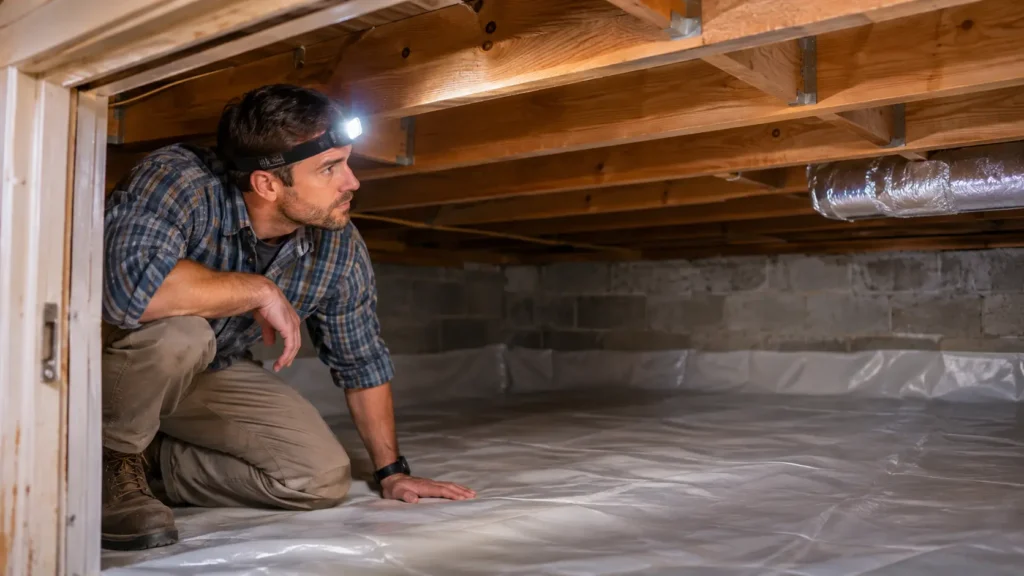
Is Your Crawl Space Moisture Control Working?
Crawl space moisture is not always easy to recognize. Unlike a plumbing leak or standing water, excess moisture can develop gradually, often without any obvious signs inside the home. Even after installing a moisture control system, homeowners may wonder whether the...
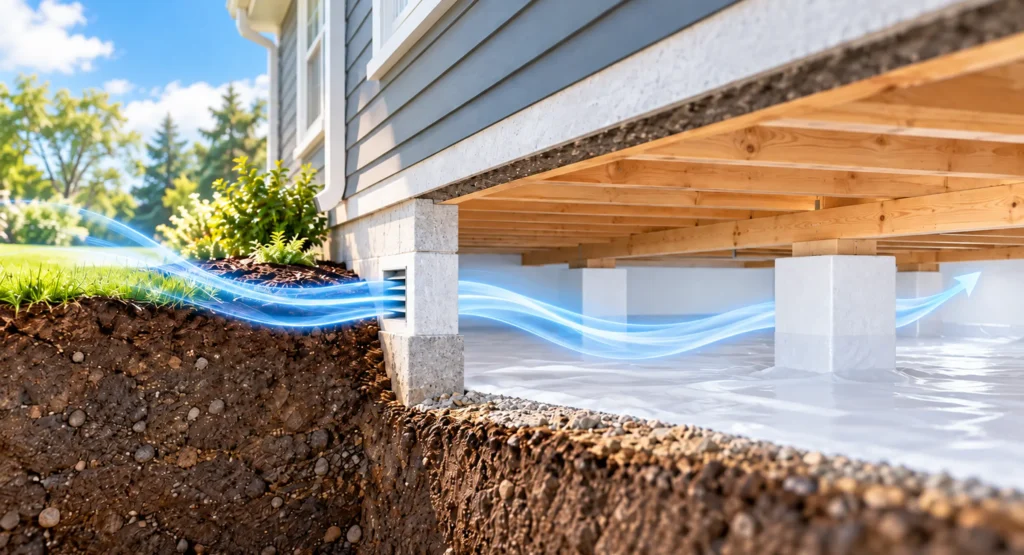
Can Outside Air Help Dry a Crawl Space?
Can outside air actually help dry a crawl space? The answer is yes, but only when the conditions outside are beneficial to the conditions inside the crawl space. Beneficial outside air is outdoor air that is dry enough, compared with the air in the crawl space, to...
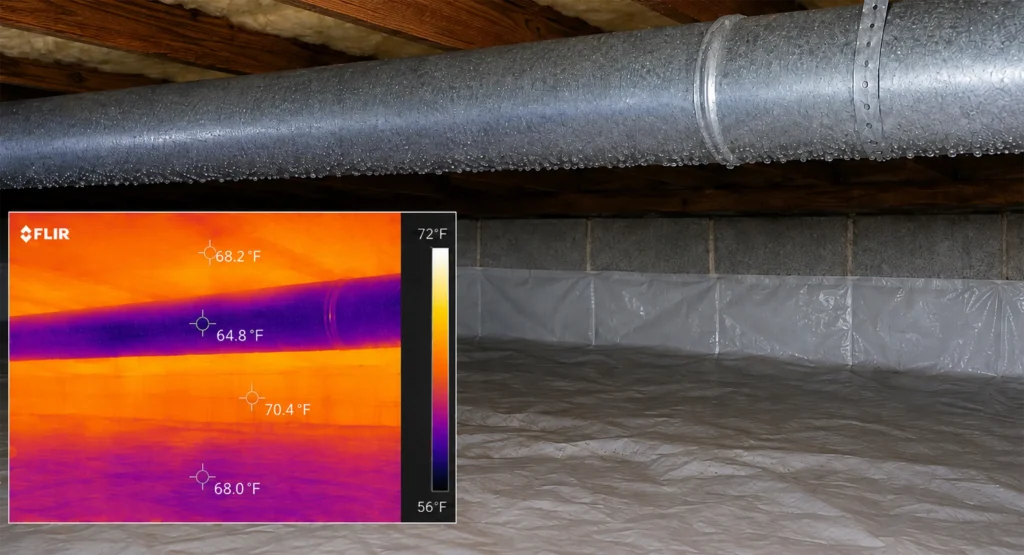
Crawl Space Condensation
When you look inside a crawl space, some areas can appear dry while others show water droplets, damp insulation or visible condensation on ductwork and pipes. It may look like a leak. In many cases, however, the water is coming from the air itself. A crawl space is...
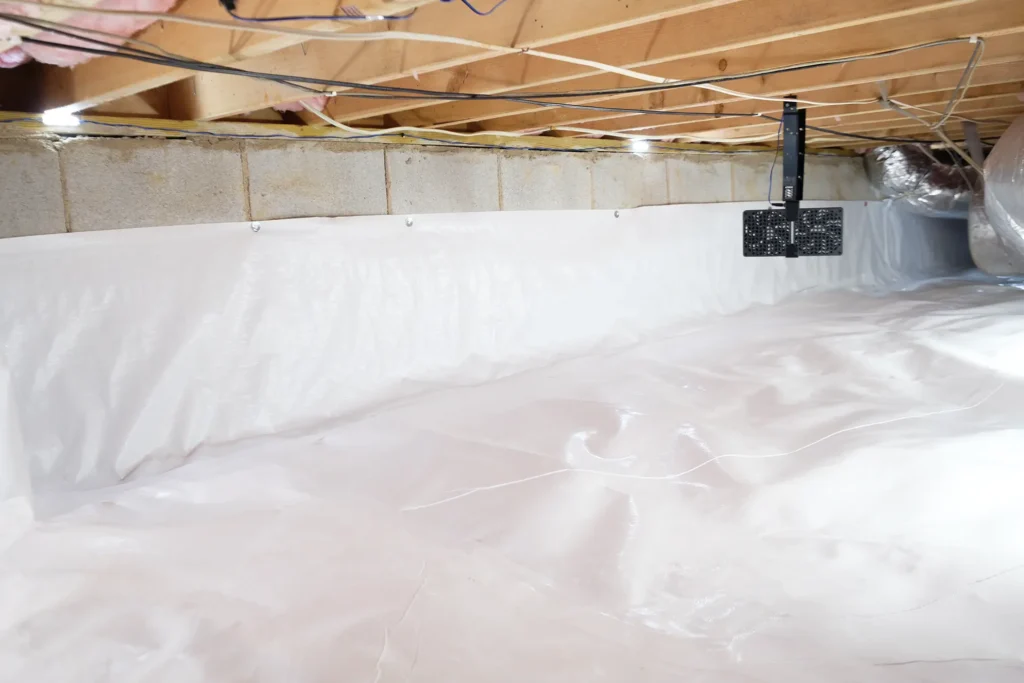
What Causes High Crawl Space Humidity? A North Carolina Crawl Space Case Study
What causes high crawl space humidity? High crawl space humidity is usually not caused by one isolated problem. It often develops over time and through a combination of water intrusion, moisture evaporating from the ground, humid outdoor air, plumbing or condensate...
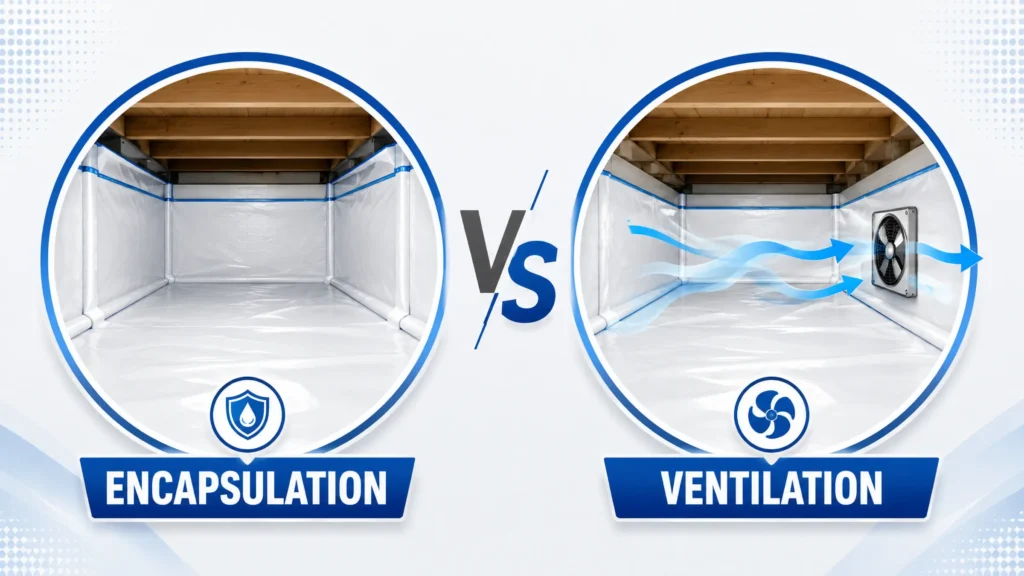
Encapsulation vs. Ventilation: Is It Really One or the Other?
This is a hot topic in the crawl space industry. You hear it all the time: encapsulation vs. ventilation. Some people believe the crawl space should be closed up completely. Others believe ventilation is still important. The conversation can quickly turn into an “us...

Podcast Featuring ATMOX
ATMOX was recently featured on The Contractor's Edge podcast. It's a podcast tailored specifically for you - contractors in the home services industry - with great tips and information to improve your business, your marketing and your sales. Here's an opportunity to...

How Crawl Space Moisture Affects Your Home
Moisture in the crawl space can lead to more than just problems below the home. It can affect the air inside the home, the condition of wood materials, and even the flooring above. Since the crawl space is connected to the home, excess moisture underneath should never...

How to Control Crawl Space Moisture
Crawl space moisture can be effectively managed when the right conditions are controlled. Moisture problems typically come from three sources: ground moisture, moisture in the air, and water management issues around the home. Because a crawl space responds to changing...
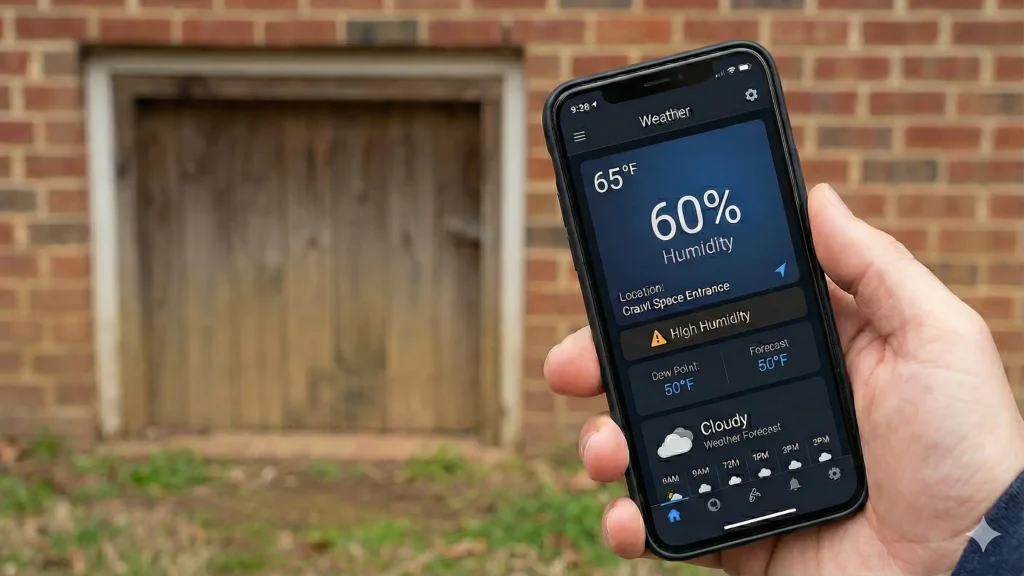
Understanding Dew Point in Crawl Space Moisture Control
Crawl space moisture control often begins with a single number: relative humidity (RH). Many homeowners look at a weather app, see high humidity, and assume outdoor air will always increase moisture in a crawl space. Others believe a moderate humidity reading means...
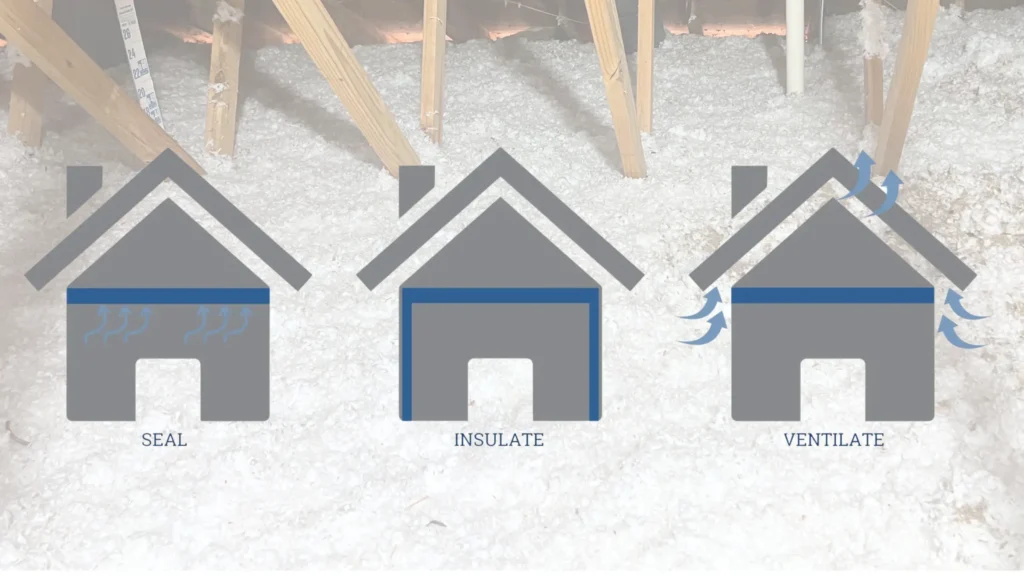
How do I Reduce Heat and Moisture in My Attic?
There are three improvements to your attic space that will help reduce attic heat and moisture: sealing, insulating, and ventilating. Paying a little attention to your attic can help you avoid issues that arise from excessive heat and moisture such as mold and mildew...

Shoulder Season
Fall is one of the best times of year for managing moisture in crawl spaces. The hot, humid days of summer are fading, and cooler, drier air is moving in. These milder “shoulder season” conditions make it the perfect time for ventilation to do its job. When outdoor...
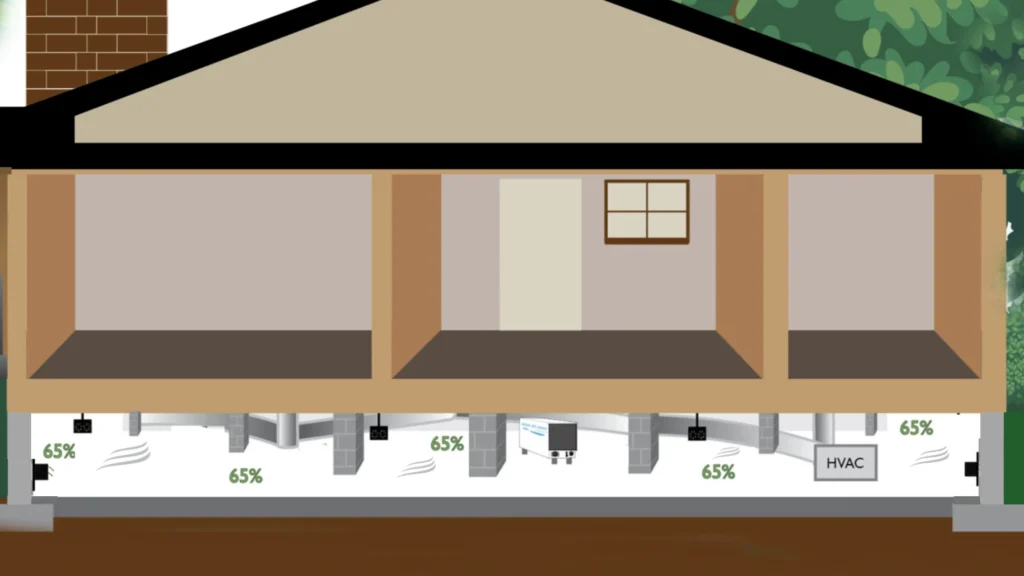
Why Some Crawl Space Areas Stay Damp
Have you noticed some areas in your crawl space remain damp and never seem to dry out, no matter what the weather is like? Maybe it’s just a corner or two that feel musty, or spots where condensation forms more often than others. These areas aren’t just an eyesore -...